Why Does Hair Fall Out More in Winter Months.

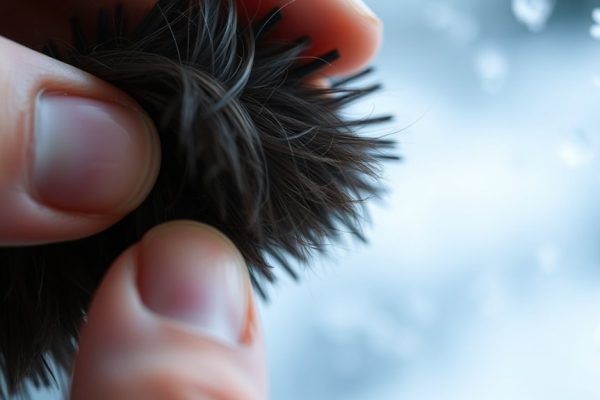
Why Does Hair Fall Out More in Winter Months. You’ve likely noticed more hair in your shower drain as temperatures drop, and there’s solid science behind this pattern. Winter triggers a cascade of physiological changes that directly impact your hair follicles—from altered growth cycles to compromised scalp circulation. While some seasonal shedding is normal, understanding…

Read More

How to Make a Nourishing Winter Hair Mask at Home.

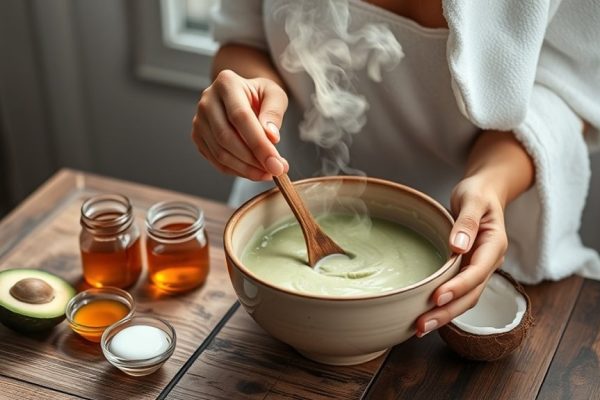
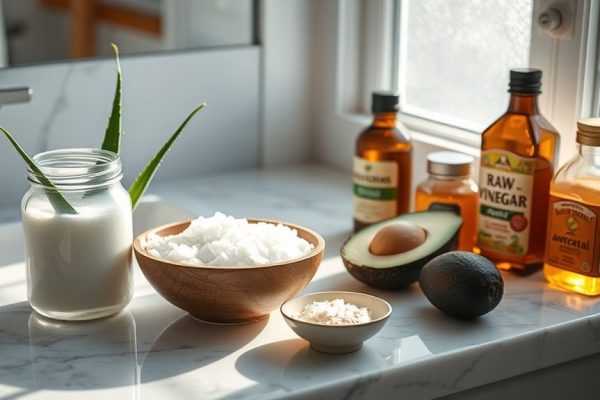
How to Make a Nourishing Winter Hair Mask at Home. Winter’s less-than-ideal conditions can leave your hair feeling compromised, but you don’t need salon-priced treatments to combat seasonal damage. The right combination of natural emollients, proteins, and humectants—ingredients you likely have in your kitchen—can restore your hair’s moisture barrier and structural integrity. Before you invest…

Read More

How to Create a Deep Conditioning Hair Treatment for Winter.

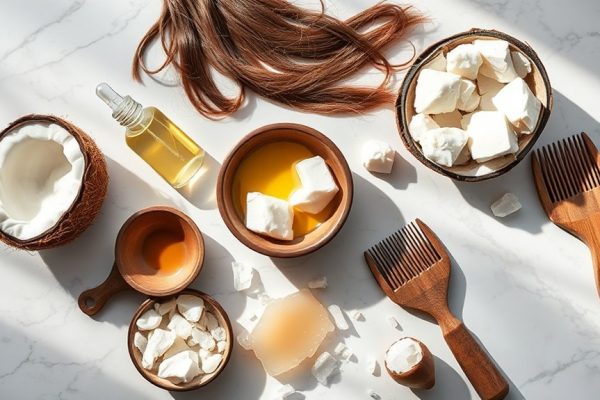
Winter’s harsh conditions systematically strip your hair’s protective lipid barrier, compromising the cuticle’s structural integrity and depleting essential moisture reserves. You’ll need a strategically formulated deep conditioning treatment that addresses both protein reconstruction and hydration retention—two distinct yet complementary objectives that standard conditioners can’t adequately fulfill. The key lies in understanding the molecular interaction between…

Read More

Why Does My Scalp Itch More in Winter Months.

You’ve probably noticed your scalp becomes unbearably itchy once temperatures drop, and there’s solid science behind this seasonal pattern. Winter’s low humidity disrupts your scalp’s lipid barrier, triggering excessive transepidermal water loss—essentially dehydrating the skin on your head. Meanwhile, indoor heating strips away protective sebum, creating an inflammatory cascade that activates itch receptors. But here’s…

Read More

Why Does My Hair Get Greasy Faster in Winter Hats.

You’ve just removed your beanie after your morning commute, and within hours, your roots feel slick with sebum—a pattern that didn’t exist during summer months. This phenomenon isn’t coincidental: winter hats create an occlusive microenvironment that elevates scalp temperature by 2-3°C, directly stimulating your sebaceous glands’ lipid production while simultaneously trapping moisture and oils against…

Read More

Why Does My Scalp Hurt More in Cold Weather Conditions.

You’ve likely noticed your scalp becoming tender, tight, or downright painful when temperatures drop—and there’s legitimate physiological reasoning behind this discomfort. Cold weather systematically compromises your scalp’s natural defense mechanisms through moisture depletion, lipid barrier disruption, and vasoconstriction of dermal blood vessels. These interconnected processes don’t just cause surface-level irritation; they trigger nociceptor activation and…

Read More

8 Ways to Naturally Moisturize Your Scalp in Dry Winter Air

Winter air strips moisture from your scalp through increased transepidermal water loss, potentially triggering inflammation, flaking, and compromised barrier function. You’ll need evidence-based interventions to counteract these physiological changes. While commercial treatments exist, natural remedies offer gentler alternatives with documented efficacy in clinical literature. The following eight methods address scalp dehydration through various mechanisms—from occlusive…

Read More

8 Ways to Prevent Winter Dandruff Without Harsh Chemicals

You’ve likely noticed those telltale white flakes becoming more persistent as temperatures drop. While many over-the-counter treatments contain potentially irritating ingredients like sulfates or synthetic fragrances, research suggests gentler alternatives can effectively address winter dandruff. Your scalp’s microbiome responds to seasonal changes—reduced humidity, indoor heating, and altered sebum production all contribute to flaking. Understanding which…

Read More
Back To Top