
How to Boost Your Immune System Naturally Before Cold Season.

Your immune system actually begins its defense preparations in your gut, where 70% of immune cells reside—not in your bloodstream as you’d expect. While you’ve likely heard about vitamin C and rest, the real game-changers involve strategic nutrient timing and lesser-known compounds that work synergistically. There’s a specific sequence to implementing these natural interventions, and…

Read More

Can Vitamin C Rich Foods Really Brighten Winter Dull Skin.

Watching your skin lose its glow during winter months can be frustrating, especially when your usual routine stops working. Yes—vitamin C-rich foods like citrus fruits, bell peppers, and strawberries may help brighten dull winter skin by supporting natural collagen production and potentially reducing dark spots. These dietary additions can complement your skincare routine naturally, without…

Read More

How to Create a Calming Bedtime Tea Blend for Winter Nights.

You’ve likely tossed and turned through cold winter nights, your mind refusing to quiet despite your body’s exhaustion. The answer isn’t in your medicine cabinet—it’s in the plants themselves. For centuries, herbalists have turned to specific botanicals that work with your nervous system rather than against it. Creating your own bedtime tea blend means understanding…

Read More

Why Does My Dog’s Skin Get Dry in Winter.

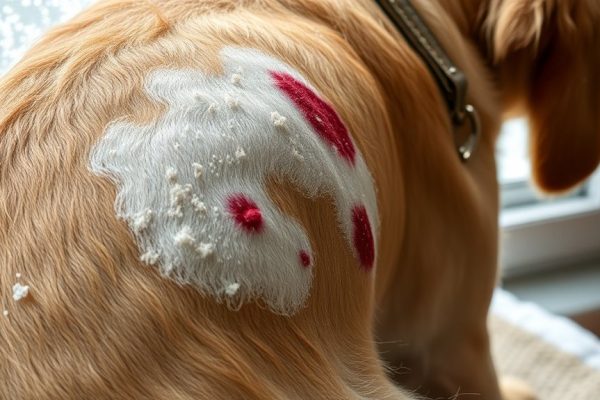
You’ve likely noticed your dog scratching more frequently as temperatures drop. This isn’t coincidental—winter fundamentally alters your dog’s dermal physiology. Cold air contains less moisture, while indoor heating systems actively deplete environmental humidity, creating a dual assault on your pet’s integumentary system. The resulting transepidermal water loss compromises the stratum corneum’s barrier function, triggering inflammatory…

Read More

Why Does My Scalp Itch More in Winter Months.

You’ve probably noticed your scalp becomes unbearably itchy once temperatures drop, and there’s solid science behind this seasonal pattern. Winter’s low humidity disrupts your scalp’s lipid barrier, triggering excessive transepidermal water loss—essentially dehydrating the skin on your head. Meanwhile, indoor heating strips away protective sebum, creating an inflammatory cascade that activates itch receptors. But here’s…

Read More

Why Does My Hair Get Greasy Faster in Winter Hats.

You’ve just removed your beanie after your morning commute, and within hours, your roots feel slick with sebum—a pattern that didn’t exist during summer months. This phenomenon isn’t coincidental: winter hats create an occlusive microenvironment that elevates scalp temperature by 2-3°C, directly stimulating your sebaceous glands’ lipid production while simultaneously trapping moisture and oils against…

Read More

Why Does My Scalp Hurt More in Cold Weather Conditions.

You’ve likely noticed your scalp becoming tender, tight, or downright painful when temperatures drop—and there’s legitimate physiological reasoning behind this discomfort. Cold weather systematically compromises your scalp’s natural defense mechanisms through moisture depletion, lipid barrier disruption, and vasoconstriction of dermal blood vessels. These interconnected processes don’t just cause surface-level irritation; they trigger nociceptor activation and…

Read More

Why Does My Stomach Feel Upset More in Winter Months.

You’ve likely never considered that cold temperatures actually reduce mesenteric blood flow to your gastrointestinal tract by up to 30%, directly impairing your digestive motility and enzyme function. This physiological response, combined with documented seasonal shifts in gut microbiome composition during winter months, creates a perfect environment for dyspepsia and functional bowel disorders. Understanding the…

Read More

How to Create a Relaxing Lavender Foot Bath for Winter Stress.

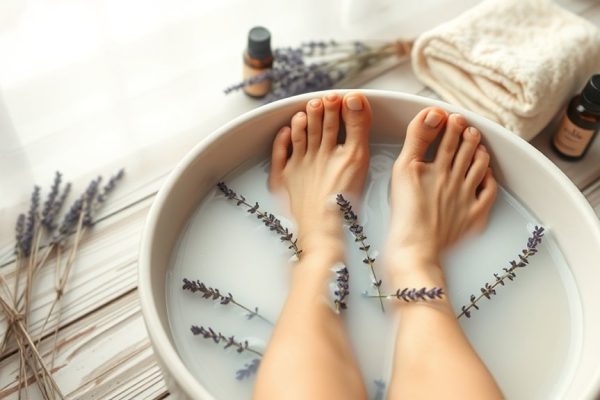
Winter stress accumulates in your body through elevated cortisol levels and sympathetic nervous system activation. You’ll find that a targeted lavender foot bath addresses these physiological responses through both aromatherapeutic compounds and thermal therapy. The feet contain numerous nerve endings and reflexology points that, when properly stimulated, can shift your entire system toward parasympathetic dominance….

Read More

How to Make a Gentle Chest Compress for Children’s Comfort.

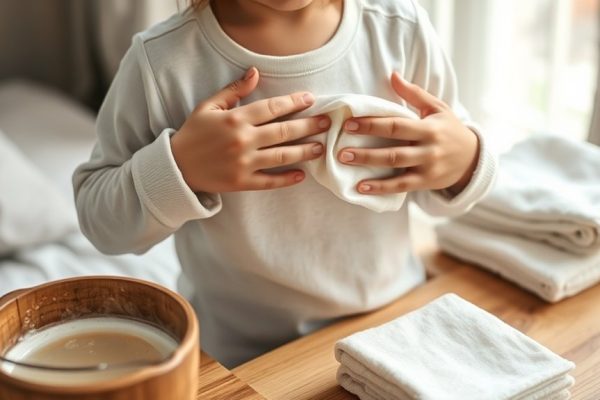
When your child is struggling with chest congestion, you’re likely searching for safe, effective ways to bring relief. A gentle chest compress can help ease discomfort and provide soothing warmth during respiratory illness. However, not all compress methods are appropriate for children, and certain techniques can actually cause harm if applied incorrectly. Understanding the proper…

Read More
Back To Top