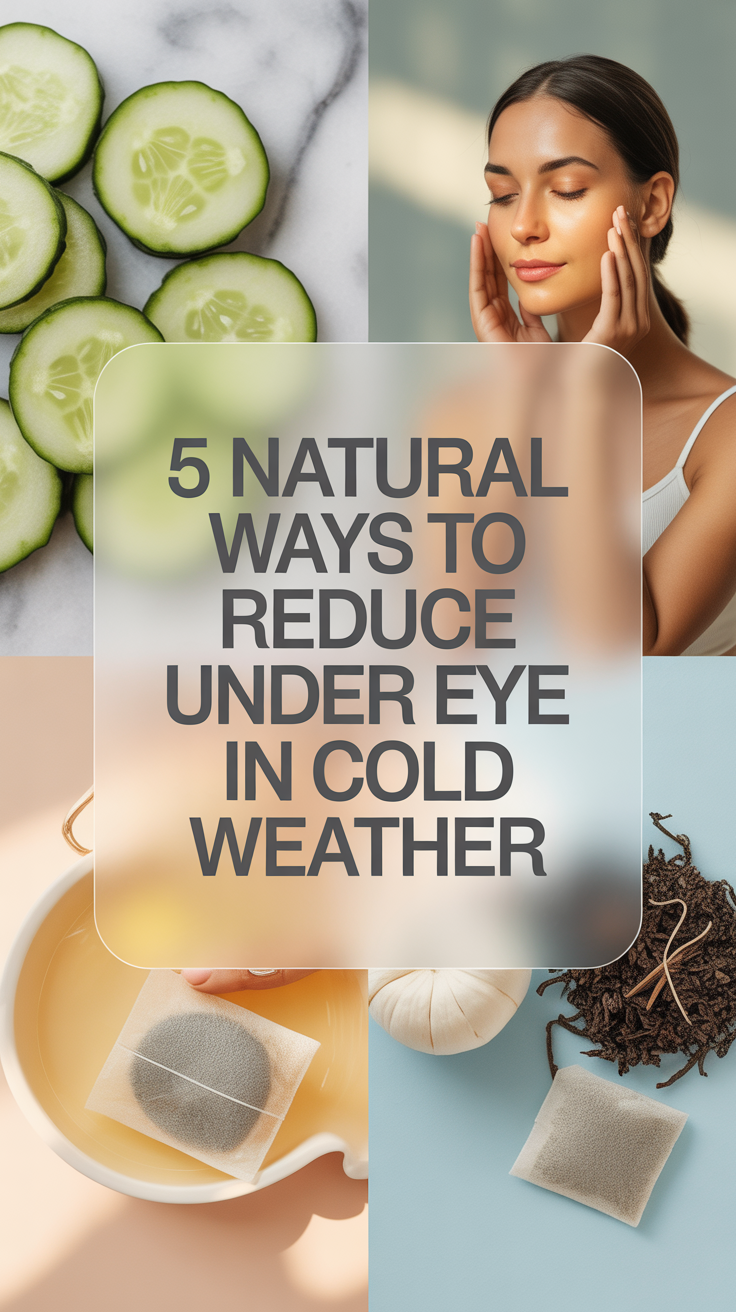
Winter’s harsh conditions can compromise your periorbital circulation and lymphatic drainage, leading to visible fluid accumulation beneath your eyes. While you’ve likely tried conventional remedies, evidence-based natural interventions offer targeted relief without synthetic additives. The five approaches outlined here address specific physiological mechanisms—from vasoconstriction to barrier repair—that contribute to cold-weather puffiness. Understanding how each method works will help you select the most appropriate intervention for your particular presentation.
Cold Cucumber Therapy for Winter Puffiness
Periorbital edema typically intensifies during winter months when decreased humidity and indoor heating compromise the skin’s barrier function.
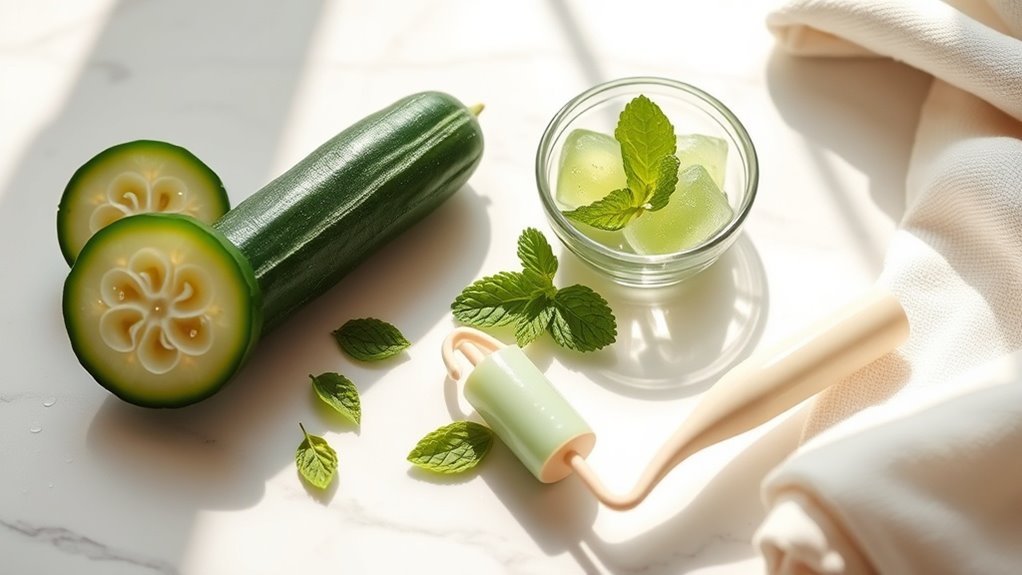
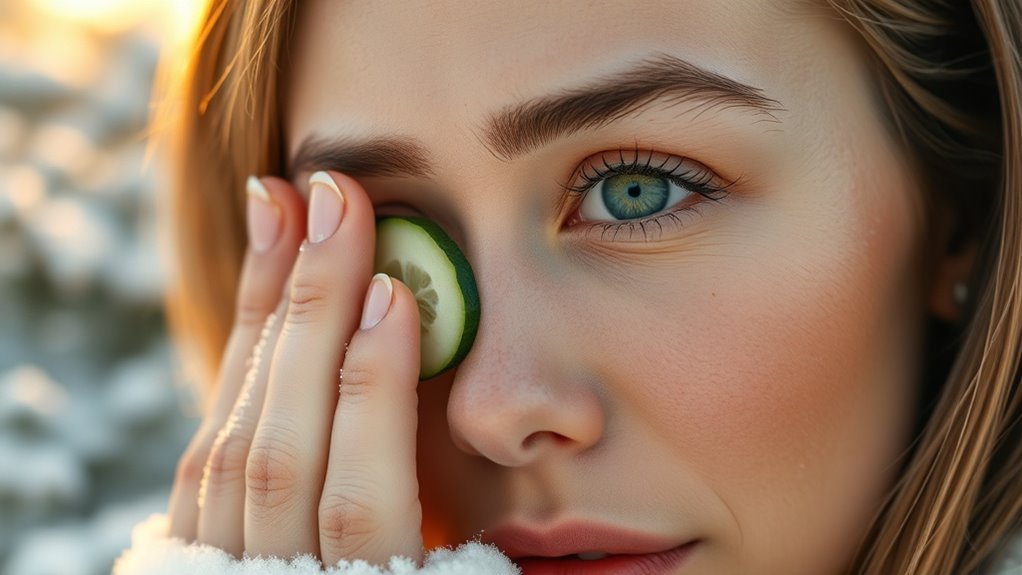
You’ll find chilled cucumber slices contain ascorbic acid and caffeic acid, which demonstrate mild vasoconstrictive properties. Apply refrigerated cucumber rounds to closed eyelids for 10-15 minutes to reduce under eye bags winter symptoms. The cold temperature constricts blood vessels while cucumber’s antioxidants address inflammation.
For enhanced results, consider combining this approach with caffeine-infused tea bag compresses applied twice daily to support circulation and address winter-specific puffiness.
Don’t expect dramatic results—this intervention provides temporary improvement rather than permanent correction. Store cucumber slices in sealed containers at 2-4°C for optimal therapeutic effect. Discontinue if irritation develops.
Caffeine-Infused Tea Bag Compresses
Topical caffeine application through used tea bags offers mechanistic benefits for periorbital puffiness through dual pharmacological pathways. Caffeine’s vasoconstrictive properties reduce capillary dilation, while its lipolytic effects facilitate adipose tissue reduction. You’ll achieve optimal results using cooled, caffeinated tea bags (green or black varieties) applied for 10-15 minutes.
| Tea Type | Caffeine Content | Antioxidant Profile | Application Temperature |
|———-|——————|———————|————————|
| Green Tea | 25-50mg | High EGCG | 4-10°C |
| Black Tea | 40-70mg | Theaflavins | 4-10°C |
Evidence suggests bi-daily application demonstrates measurable periorbital edema reduction within 2-3 weeks of consistent use. For maximum therapeutic benefits, ensure your brewing temperature doesn’t exceed 10oz boiling water as excessive heat can degrade the beneficial compounds before cooling for topical application.
Hydrating Hyaluronic Acid Masks
Hyaluronic acid’s unique capacity to bind 1,000 times its molecular weight in water makes it therapeutically significant for addressing volume loss in the infraorbital region. You’ll find clinical evidence supporting hyaluronic acid’s efficacy in reducing periorbital edema through enhanced tissue hydration.
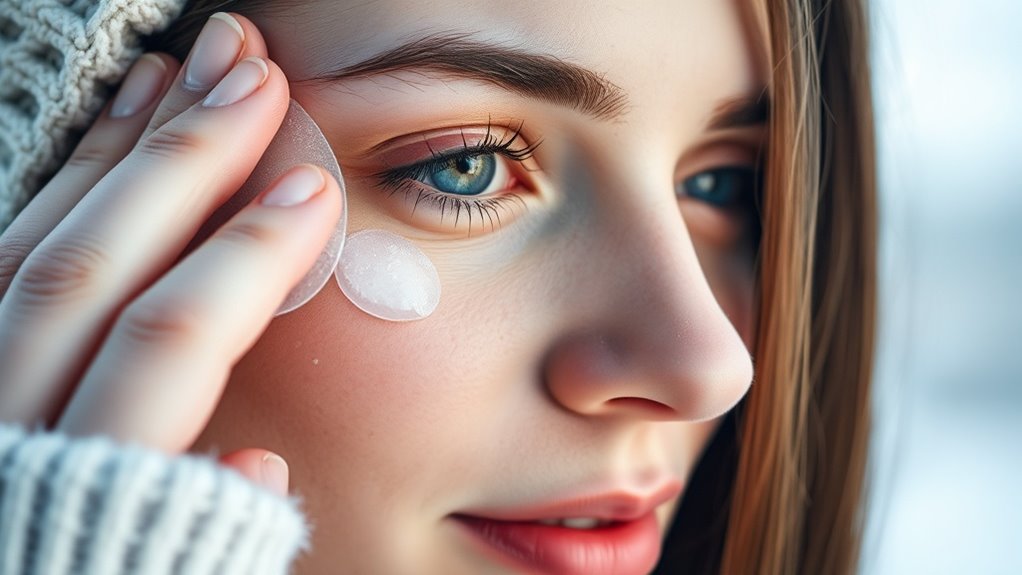
Apply medical-grade hyaluronic acid masks to clean skin for 15-20 minutes, allowing molecular penetration into the dermal layers. Consider patches containing low-molecular-weight hyaluronic acid for superior absorption. You should apply these treatments two to three times weekly during cold weather when transepidermal water loss increases.
Refrigerating masks before application provides additional anti-inflammatory benefits through vasoconstriction. For optimal results, apply your hyaluronic acid treatment on damp skin and follow with a ceramide-rich moisturizer within 3 minutes to seal in hydration and support barrier repair.
Gentle Lymphatic Massage Techniques
Manual lymphatic drainage systematically mobilizes accumulated interstitial fluid from the periorbital tissues through specialized massage movements that stimulate lymphatic capillaries. You’ll apply gentle pressure using your ring fingers, working from the inner canthus outward toward the temples, then downward along the preauricular nodes.
| Technique | Direction | Duration |
|———–|———–|———-|
| Inner corner sweeps | Medial to lateral | 30 seconds |
| Temple drainage | Circular motions | 20 seconds |
| Neck pathway | Downward strokes | 30 seconds |
Perform these movements with minimal pressure—lymphatic vessels respond to light touch rather than deep manipulation. You shouldn’t experience discomfort during application. Follow this massage with a warm compress therapy session for 15 minutes to further support circulation and reduce puffiness around the delicate eye area.
Targeted Vitamin E Oil Treatments
When applied consistently to the infraorbital region, vitamin E (α-tocopherol) functions as a lipophilic antioxidant that neutralizes reactive oxygen species and stabilizes cellular membranes in the delicate periorbital skin.
You’ll achieve optimal penetration by applying pharmaceutical-grade tocopherol acetate topically before bedtime. Use your ring finger to distribute minimal amounts through gentle tapping motions, avoiding direct ocular contact.
Cold weather exacerbates transepidermal water loss, making vitamin E’s membrane-protective properties particularly relevant. Consider patch-testing initially, as hypersensitivity reactions occasionally occur.
Combining this treatment with adequate hydration and photoprotection enhances therapeutic outcomes for reducing periorbital edema and improving skin barrier function. Supporting your body’s natural collagen synthesis through vitamin C-rich foods and omega-3 fatty acids from sources like wild-caught salmon can further strengthen the skin’s underlying structure during winter months.
Frequently Asked Questions
Does Drinking More Water Help Reduce Under Eye Bags in Winter?
Yes, you’ll likely see improvement. Adequate hydration helps maintain skin elasticity and reduces fluid retention that causes puffiness. Aim for eight glasses daily, as winter’s dry air increases transepidermal water loss, exacerbating periorbital edema.
Can Sleeping Position Affect Morning Puffiness Around the Eyes?
You’ll find sleeping elevated (like a Victorian fainting couch) reduces morning periorbital edema. Gravity-dependent fluid redistribution decreases when you’re supine with head elevation of 30-45 degrees. Consider hypoallergenic pillows to minimize inflammatory responses affecting tissue.
Are There Dietary Changes That Help Minimize Under Eye Bags?
Yes, you’ll benefit from reducing sodium intake, increasing water consumption, and limiting alcohol. Foods rich in vitamin K, vitamin C, and omega-3 fatty acids may help strengthen capillaries and reduce fluid retention that contributes to periorbital edema.
How Does Indoor Heating Contribute to Under Eye Puffiness?
Your heater’s like a moisture thief, stealing humidity from indoor air. You’ll experience transepidermal water loss, which compromises your delicate periorbital skin’s barrier function. This dehydration increases fluid retention and inflammatory responses, potentially exacerbating under-eye puffiness.
Should I Use a Humidifier to Prevent Winter Under Eye Bags?
Yes, you should use a humidifier to maintain 30-50% relative humidity, which helps preserve periorbital skin hydration and barrier function. This can reduce inflammation-related puffiness, though individual responses vary based on underlying causes.