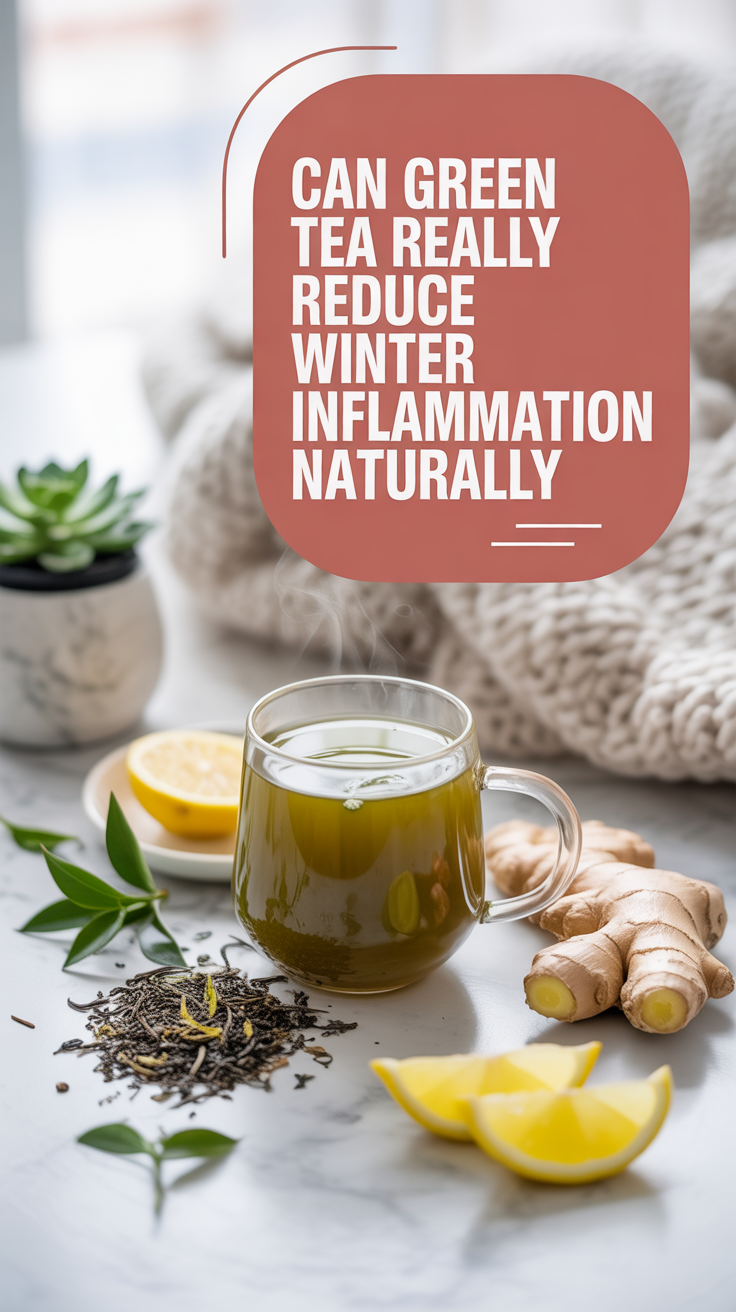

Can Green Tea Really Reduce Winter Inflammation Naturally.
Dealing with increased joint pain and inflammation when winter arrives is frustratingly common. Yes—green tea’s natural polyphenols may help reduce inflammatory responses, with some studies showing it can support comfort levels within hours of drinking it. This approach uses gentle, plant-based compounds rather than harsh interventions, making it an accessible option for daily support. The real question isn’t whether it might work, but how to use it effectively for your situation. Here’s what the research suggests actually delivers results.
The Science Behind Green Tea’s Anti-Inflammatory Properties During Winter
Drink Green Tea to Ease Winter Inflammation
Green tea may help reduce inflammatory responses* that cold weather often triggers in your body. The catechins in green tea, especially *EGCG, can work to calm inflammation within a few hours of drinking it.
Green tea contains natural compounds that may help block chemicals in your body that cause swelling and discomfort. These plant-based antioxidants could support your body’s ability to manage seasonal inflammation more effectively. For enhanced benefits, consider specialized varieties like matcha anti-inflammatory drinks or sencha evening blends that concentrate these beneficial polyphenols.
How to use it:
• Steep 1-2 teaspoons of quality green tea in water heated to 175°F for 2-3 minutes
• Drink 2-3 cups throughout the day during winter months
• Enjoy it warm (not boiling) to preserve beneficial compounds
• Time your last cup before early evening to avoid sleep disruption
• Add lemon for extra vitamin C support if desired
Let your tea cool slightly before drinking—too-hot beverages might irritate your throat and reduce the beneficial effects.
Six Evidence-Based Green Tea Blends for Seasonal Inflammation Relief
Try Green Tea with Turmeric to Ease Winter Inflammation
Green tea paired with turmeric may help reduce inflammation markers and support joint comfort during cold months. This combination works within 30-60 minutes of drinking and can support your body’s natural anti-inflammatory response.
Curcumin from turmeric and green tea’s polyphenols work together to target inflammatory pathways. The catechins in green tea may help enhance turmeric’s absorption and effectiveness.
How to make it:
• Steep 1 green tea bag in hot water for 3 minutes
• Add ½ teaspoon turmeric powder while tea is hot
• Stir in a pinch of black pepper to boost absorption
• Add honey or lemon to taste
• Drink 1-2 cups daily, preferably with a meal
The black pepper is key—it can increase curcumin absorption by up to 2,000%.
Add Ginger to Green Tea for Natural Pain Relief
Ginger-infused green tea might help soothe muscle aches and reduce inflammatory discomfort within an hour. This warming blend combines gingerol compounds with green tea antioxidants to support your body during winter stiffness.
Ginger contains natural compounds that may block inflammation signals, while green tea’s catechins could help protect cells from oxidative stress.
How to prepare:
• Slice 1-inch fresh ginger root thinly
• Add ginger to boiling water and simmer for 5 minutes
• Remove from heat and steep green tea bag for 2-3 minutes
• Strain and sip warm
• Enjoy 2-3 times daily for ongoing support
Fresh ginger works better than powdered—store extra slices in the freezer for convenience.
Blend Green Tea with Cinnamon to Support Circulation
Cinnamon-spiced green tea can help improve blood flow and may ease inflammation in as little as 20-30 minutes. This aromatic pairing delivers warming comfort while supporting your immune system throughout winter.
Cinnamon’s polyphenols work alongside green tea compounds to support healthy circulation. Together, they might help reduce inflammatory markers more effectively than either ingredient alone.
How to use:
• Brew green tea as usual for 2-3 minutes
• Stir in ¼ teaspoon Ceylon cinnamon powder
• Or add one cinnamon stick while steeping
• Sweeten with a touch of honey if desired
• Drink once in the morning and once in the evening
Ceylon cinnamon is gentler than cassia—check your spice label before using regularly.
Mix Green Tea with Lemon for Enhanced Antioxidant Benefits
Lemon-enhanced green tea may help maximize your antioxidant intake and support your body’s natural defenses. The vitamin C boost can improve how your body absorbs green tea’s beneficial compounds.
Lemon’s acidity helps preserve green tea catechins during digestion, potentially increasing their bioavailability. Vitamin C also supports your immune system during seasonal challenges.
How to make it:
• Brew green tea and let it cool slightly (not boiling hot)
• Squeeze half a fresh lemon into your cup
• Add lemon slices for extra flavor
• Drink within 30 minutes of brewing for maximum benefits
• Enjoy 2-3 cups throughout the day
Wait until tea cools below 140°F before adding lemon to preserve vitamin C content.
Combine Green Tea with Chamomile for Soothing Inflammation Relief
Green tea blended with chamomile might help calm both inflammation and stress-related discomfort. This gentle pairing can support relaxation while delivering anti-inflammatory benefits, making it ideal for evening use.
Chamomile’s apigenin compounds work with green tea polyphenols to potentially reduce inflammatory markers. This combination may also support better sleep, which helps your body recover naturally.
How to prepare:
• Use one green tea bag and one chamomile tea bag
• Steep both together in hot water for 4-5 minutes
• Remove bags and add a drizzle of honey
• Add a colloidal oatmeal bath after drinking this blend to further soothe winter skin inflammation and irritation.
• Sip slowly 1-2 hours before bedtime
• Use nightly during high-inflammation periods
This blend is caffeine-light but still contains some—switch to decaf green tea if very sensitive.
Add Black Pepper to Green Tea Blends for Better Absorption
Green tea with a pinch of black pepper can significantly increase how well your body absorbs anti-inflammatory compounds. Piperine in black pepper may boost the effectiveness of all your green tea blends.
Black pepper contains piperine, which can help slow the breakdown of beneficial compounds in your digestive system. This means more antioxidants and polyphenols reach your bloodstream to support inflammation relief.
How to use:
• Add a small pinch of fresh-ground black pepper to any green tea blend
• Stir well while tea is still warm
• Start with just a few granules and adjust to taste
• Combine with turmeric blends for maximum effect
• Use daily with your preferred green tea combination
The amount needed is tiny—about 1/20th of a teaspoon is enough to enhance absorption.
Optimal Brewing Techniques to Maximize Anti-Inflammatory Compounds
Brew Green Tea at the Right Temperature to Preserve Anti-Inflammatory Compounds
Brewing green tea between 160-180°F (70-80°C) may help extract the highest levels of EGCG, a powerful anti-inflammatory compound, while keeping bitter flavors minimal. This temperature range could support better absorption of beneficial polyphenols compared to boiling water.
The moderate heat gently releases catechins and antioxidants from the leaves without destroying their delicate structure. Cooler water preserves these compounds that might otherwise break down at higher temperatures.
HOW TO BREW IT:
• Heat filtered water to 160-180°F (let boiling water cool for 2-3 minutes)
• Add 1 teaspoon of green tea leaves per cup
• Steep for 2-3 minutes only
• Remove leaves promptly to avoid excess tannins
• Drink 2-3 cups daily for ongoing support
Using filtered water can help prevent minerals from interfering with the tea’s beneficial compounds. Similar to how ginger tea’s thermogenic properties depend on proper steeping times of 10-12 minutes to maximize bioavailability of active compounds like gingerol, green tea also requires precise preparation methods to unlock its anti-inflammatory benefits.
Daily Consumption Guidelines and Timing for Best Results
Drink Green Tea Throughout the Day to Fight Winter Inflammation
Green tea may help reduce inflammatory responses when consumed consistently—aim for 2-4 cups spread across your day rather than drinking them all at once. You could see benefits within a few weeks of daily use.
This works because green tea contains polyphenols that can support your body’s natural anti-inflammatory processes. Spreading your intake maintains steadier levels of these compounds in your bloodstream.
How to time your green tea for best results:
• Enjoy one cup with or after breakfast to start your day
• Sip another cup mid-afternoon (around 2-3 PM)
• Space additional cups at least 2-3 hours apart
• Stop drinking green tea by 4 PM to protect sleep quality
• Steep for 3-5 minutes in water just below boiling
Poor sleep can actually increase inflammation, so avoid the caffeine disruption by keeping your last cup in the early afternoon. For an alternative evening anti-inflammatory beverage, consider golden milk with black pepper consumed 1 hour before bedtime to support your body’s natural defenses without interfering with sleep.
Measuring Your Progress and Expected Timeline for Inflammation Reduction
Track Your Progress with Green Tea for Inflammation Support
Green tea may help support your body’s natural inflammation response over time, with noticeable changes typically appearing after 4-8 weeks of daily intake. Consistency matters more than intensity—regular consumption gives compounds like EGCG time to accumulate and work.
Green tea contains polyphenols that can support your body’s natural anti-inflammatory processes. These plant compounds may help influence how your body responds to inflammation triggers over time.
How to monitor your progress:
• Get baseline bloodwork measuring C-reactive protein (CRP) before starting
• Retest CRP levels at 8-week intervals to track changes
• Keep a weekly journal noting joint stiffness, swelling, or discomfort levels
• Take photos of any visible inflammation areas each week for comparison
• Rate pain or discomfort on a 1-10 scale to spot gradual improvements
Drink 2-3 cups of green tea daily for at least 8 weeks before expecting measurable shifts in inflammation markers.