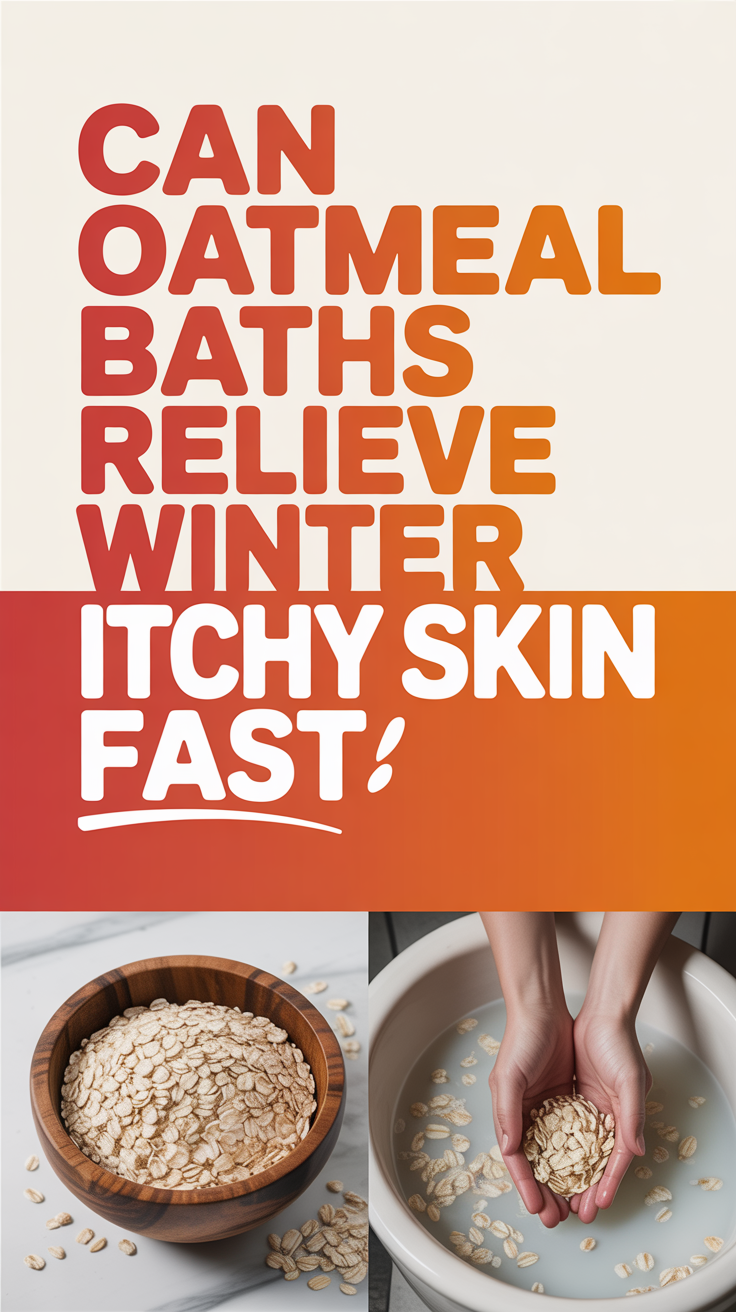
Winter’s dry air leaves your skin feeling tight, itchy, and uncomfortable—and you need relief now. Yes, oatmeal baths can genuinely soothe winter itch in as little as 15-20 minutes by creating a protective barrier while calming irritated skin. The beta-glucans in colloidal oatmeal may help reduce inflammation and support your skin’s natural moisture barrier without harsh chemicals or prescriptions. This natural remedy works fast and requires nothing more than your bathtub and the right type of oats. Here’s what actually delivers results for winter skin relief.
The Science Behind How Oatmeal Soothes Dry Winter Skin
Try Colloidal Oatmeal Baths to Relieve Winter Itch
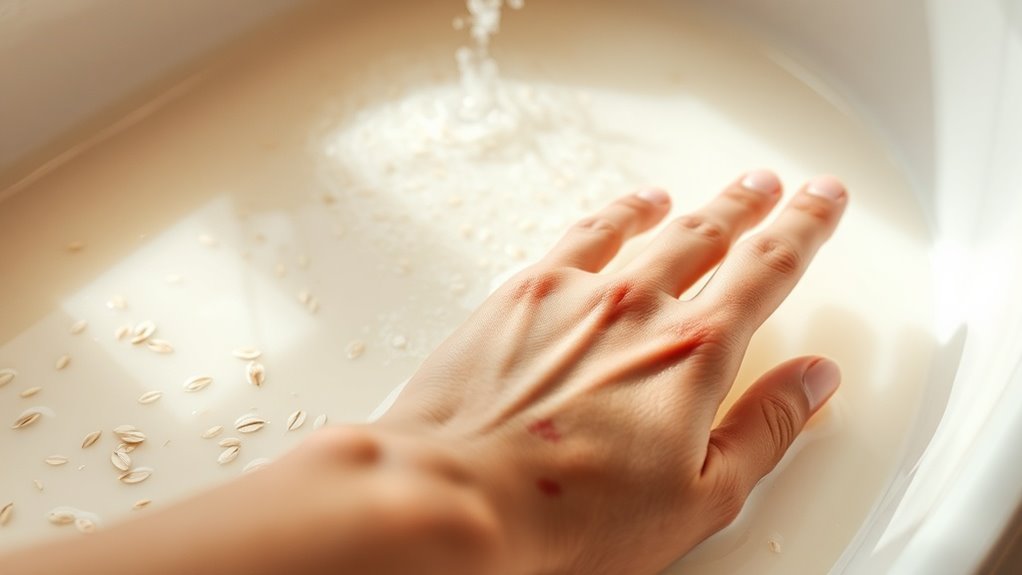
Colloidal oatmeal baths may help soothe dry, itchy winter skin by creating a protective layer that locks in moisture for hours. Most people notice relief within 15-20 minutes of soaking.
WHY IT WORKS: Oatmeal contains natural compounds that calm irritated skin while forming a gentle barrier to help prevent moisture loss during cold weather months.
HOW TO USE IT:
• Add 1 cup of colloidal oatmeal to warm (not hot) bathwater
• Soak for 15-20 minutes, gently rubbing the milky water over itchy areas
• Pat skin dry with a soft towel—don’t rub
• Apply moisturizer immediately while skin is still slightly damp
• Repeat 2-3 times per week or as needed for winter dryness
Store colloidal oatmeal in an airtight container in a cool, dry place to keep it fresh between uses. For optimal results, maintain water temperatures between 98-100°F to maximize the soothing benefits without further drying out your skin.
Colloidal Oatmeal Bath Preparation and Measurements
Try Colloidal Oatmeal Baths to Soothe Irritated Skin
Colloidal oatmeal baths may help calm itchy, inflamed skin and create a protective barrier that can lock in moisture for hours after you towel off. Most people notice their skin feels softer and less irritated within 15-20 minutes of soaking.
Finely ground oats contain natural compounds called avenanthramides that might reduce inflammation, while the starches and beta-glucans help form a soothing film over your skin.
How to prepare your oatmeal bath:
• Fill your tub with lukewarm water (98-100°F) to avoid drying out skin further
• Add 1 cup of colloidal oatmeal for standard tubs (40-60 gallons) or 1.5 cups for larger soaking tubs
• Sprinkle the powder under running water to prevent clumping and ensure even distribution
• Look for a milky appearance throughout the bath—this indicates proper suspension
• Soak for 10-15 minutes, then gently pat skin dry without rubbing
Disperse the powder while water is still running to get the smoothest, most effective bath without grainy clumps settling at the bottom. For enhanced relief from winter dryness, you can prepare an oatmeal scalp mask using similar colloidal oatmeal mixed with warm water to apply directly to irritated areas before your bath.
Enhanced Oatmeal Bath Recipes for Maximum Relief
You can optimize your oatmeal bath’s therapeutic efficacy by incorporating specific additives and controlling environmental variables. Essential oils such as lavender (Lavandula angustifolia) or chamomile (Matricaria chamomilla) provide additional anti-inflammatory benefits when diluted properly at concentrations of 5-10 drops per bath.
Water temperature should remain between 92-100°F (33-38°C) to prevent transepidermal water loss and further compromise of the stratum corneum barrier function. For enhanced winter skin relief, consider adding warming herbs like ginger or rosemary at 2 tablespoons dried herbs per cup of hot water, steeped for 15-20 minutes before straining and adding to your bath.
Adding Essential Oils Safely
Add Essential Oils to Enhance Your Oatmeal Bath
Essential oils can boost the soothing effects of your oatmeal bath when used correctly. Lavender and chamomile may help calm irritated skin, while tea tree oil could provide antimicrobial support for minor skin concerns.
These concentrated plant extracts contain natural compounds that might work alongside oatmeal’s anti-inflammatory properties. However, they require proper dilution to avoid skin reactions.
How to add essential oils safely:
• Mix 3-5 drops of essential oil with 1 tablespoon of carrier oil (like coconut or jojoba) first
• Add this mixture to your prepared oatmeal bath and stir well
• Soak for 15-20 minutes to allow oils to work
• Use lavender or chamomile for calming, tea tree for cleansing
• Limit to 2-3 baths per week to prevent overexposure
Always patch test on a small skin area 24 hours before adding any new oil to your bath.
Optimal Water Temperature Guidelines
Use Lukewarm Water to Protect Your Skin Barrier
Lukewarm oatmeal baths may help soothe winter itch while keeping your skin’s natural moisture intact. Keep your bath water between 92-100°F (33-38°F) to support relief without stripping protective oils.
Hot water above 104°F can remove the natural oils your skin needs, making dryness and itching worse. Lukewarm water allows the oatmeal’s soothing properties to work without causing additional moisture loss.
How to prepare your oatmeal bath:
• Use a bath thermometer to check water temperature stays between 92-100°F
• Add colloidal oatmeal to lukewarm running water
• Soak for 10-15 minutes maximum
• Pat skin gently with a towel after bathing
• Apply moisturizer immediately while skin is still damp
Limit bath time to 10-15 minutes to get the anti-itch benefits without over-soaking your skin.
Step-by-Step Application Methods for Best Results
To achieve therapeutic benefits from colloidal oatmeal, you’ll need to follow specific preparation and application protocols. The effectiveness of your oatmeal bath depends on proper water temperature, accurate oatmeal-to-water ratios, and adherence to recommended immersion durations.
These evidence-based guidelines optimize the bioavailability of avenanthramides and beta-glucans, the active compounds responsible for anti-inflammatory and moisturizing effects. For maximum therapeutic impact, maintain immersion for 15-20 minutes daily, which aligns with research-supported timing for optimal skin absorption and relief.
Preparing Your Oatmeal Bath
Try an Oatmeal Bath to Soothe Itchy Skin
Colloidal oatmeal baths may help calm irritated, itchy skin within 15-20 minutes of soaking. This gentle remedy can provide relief for dry patches, rashes, and general skin discomfort.
Oats contain natural compounds that form a protective layer on your skin while helping to reduce inflammation. The fine powder disperses evenly in water, coating your body with soothing properties.
How to prepare your bath:
• Grind plain oats into a fine powder using a blender or food processor
• Fill your tub with lukewarm water (98-104°F—it should feel comfortable, not hot)
• Add one cup of the ground oatmeal and stir to dissolve completely
• Soak for 15-20 minutes, gently rubbing the water over affected areas
• Pat skin dry and apply moisturizer while still slightly damp
Test the water temperature with your wrist first to avoid any discomfort or skin irritation.
Optimal Soaking Time Guidelines
Soak in an Oatmeal Bath to Calm Irritated Skin
An oatmeal bath may help soothe inflammation and ease discomfort* in about 15-20 minutes without drying out your skin. This gentle approach can support your skin’s *natural moisture barrier while providing relief.
Oatmeal contains natural compounds that might help calm redness and irritation when dissolved in warm water. The fine particles create a protective layer that can support skin hydration.
How to take an oatmeal bath:
• Fill your tub with lukewarm water (around 92-100°F)
• Add colloidal oatmeal as directed on the package
• Soak for 15-20 minutes—no longer to avoid over-softening skin
• Pat yourself dry gently with a soft towel
• Apply a moisturizer within 3 minutes while skin is still slightly damp
Avoid soaking longer than 20 minutes, as extended exposure to water could strip away natural oils.
Optimal Water Temperature and Soaking Duration Guidelines
Soak in Lukewarm Colloidal Oatmeal Baths for Calmer Skin
Bathing in water between 92°F and 100°F (33°C-38°C) with colloidal oatmeal may help reduce inflammation and support your skin’s natural protective barrier. This temperature range can soothe irritation without stripping away essential moisture.
Lukewarm water keeps your skin’s lipid barrier intact while allowing oatmeal’s anti-inflammatory compounds to work effectively. Hot water disrupts this barrier and can worsen dryness.
Follow these soaking guidelines:
• Use a bath thermometer to maintain water temperature between 92°F-100°F
• Soak for 10-15 minutes maximum to avoid over-softening skin
• Pat skin gently with a towel, leaving it slightly damp
• Apply your moisturizer or emollient within three minutes of stepping out
• Repeat 2-3 times weekly or as needed for flare-ups
Setting a timer helps prevent soaking too long, which can actually dry out your skin more.
Post-Bath Moisturizing Techniques to Lock In Benefits
Apply Moisturizer to Damp Skin to Lock In Hydration
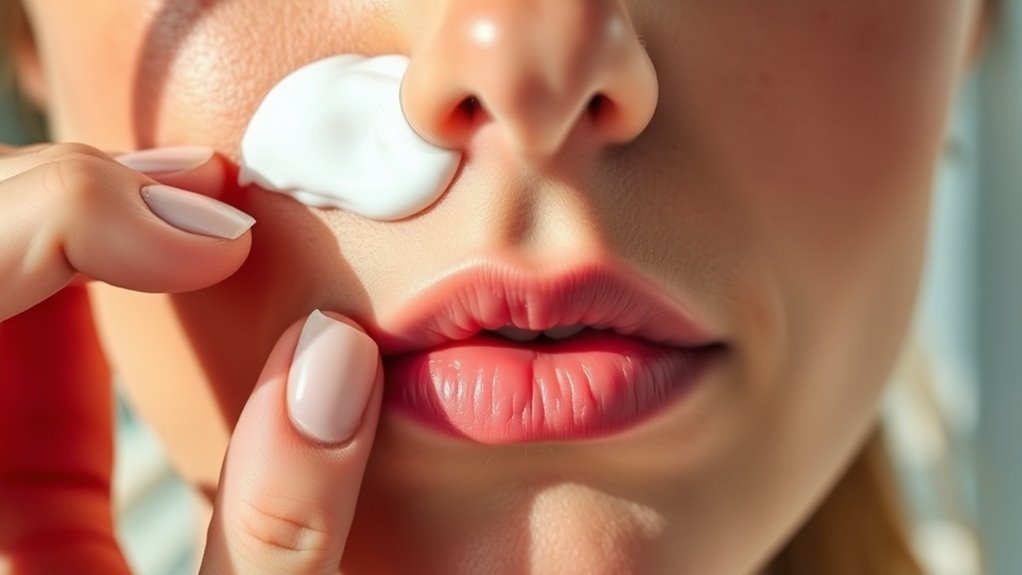
Pat your skin gently with a towel until it’s still slightly damp, then apply your moisturizer immediately. This technique may help trap up to 10 times more moisture than applying products to completely dry skin.
Damp skin acts like a sponge, allowing moisturizing ingredients to penetrate deeper into your skin’s outer layers. The water on your skin’s surface gets sealed in by the cream or ointment you apply on top.
How to lock in moisture effectively:
• Gently press a soft towel against your skin—avoid rubbing
• Leave skin about 30% damp (should feel cool but not dripping)
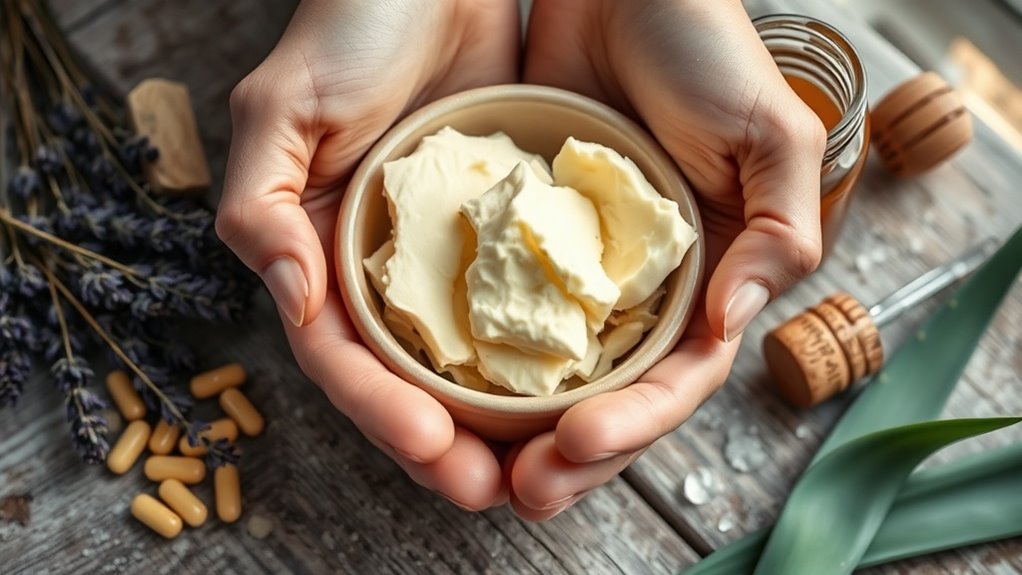
• Apply petroleum-based ointment or ceramide-rich cream within 3 minutes
• Use downward strokes to smooth product over your body
• Focus extra product on dry areas like elbows, knees, and shins
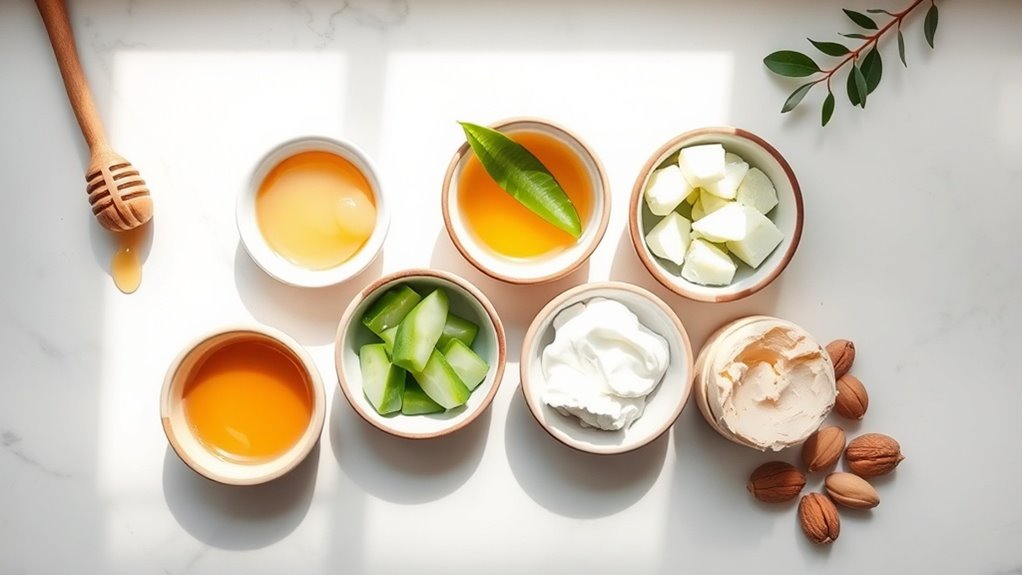
Pro tip: Keep your moisturizer in the bathroom so you remember to apply it while your skin is still damp.