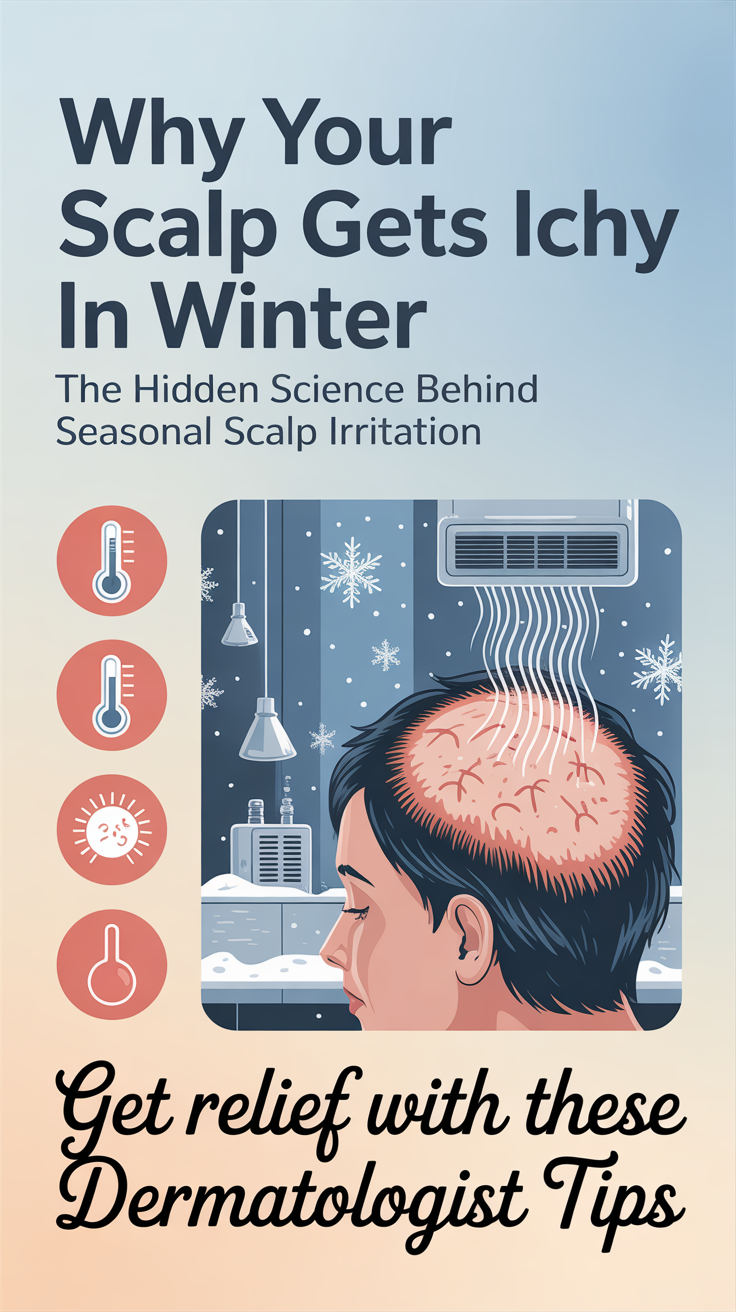
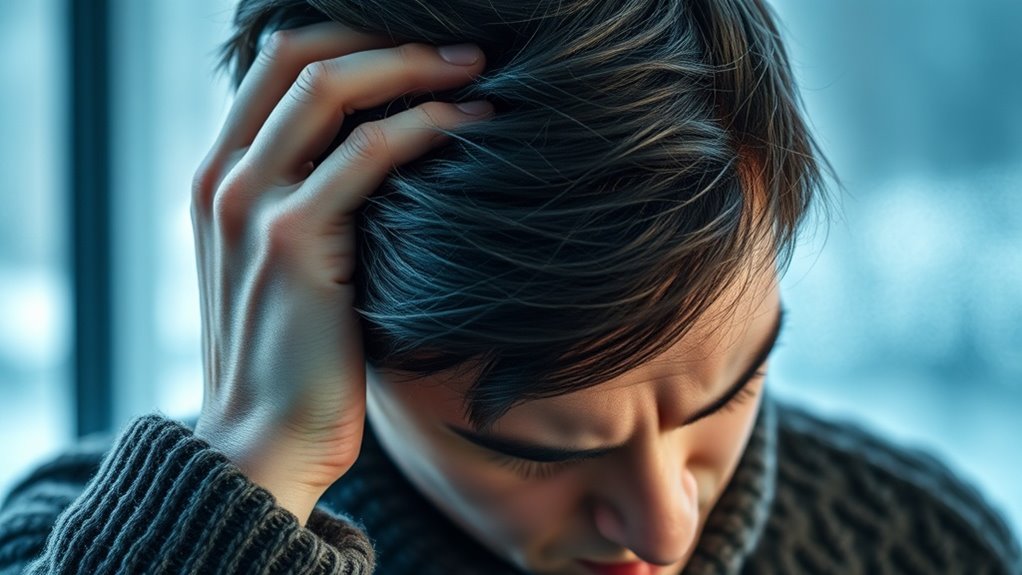
You’ve probably noticed your scalp becomes unbearably itchy once temperatures drop, and there’s solid science behind this seasonal pattern. Winter’s low humidity disrupts your scalp’s lipid barrier, triggering excessive transepidermal water loss—essentially dehydrating the skin on your head. Meanwhile, indoor heating strips away protective sebum, creating an inflammatory cascade that activates itch receptors. But here’s what most people miss: the real culprit often isn’t just dryness. Several interconnected mechanisms are simultaneously compromising your scalp’s integrity.
How Cold Weather and Low Humidity Dry Out Your Scalp
When ambient temperatures drop below thermoneutral levels, your scalp’s sebaceous glands considerably reduce sebum production—the lipid-rich secretion that forms your skin’s primary moisture barrier. This lipid depletion compromises barrier integrity, accelerating transepidermal water loss and increasing hygroscopicity.
Concurrently, cold air’s reduced moisture-holding capacity creates low ambient humidity that exacerbates scalp dehydration, producing characteristic pruritus and desquamation. The compromised stratum corneum becomes vulnerable to irritants and microbial dysbiosis. Cold temperatures can also disrupt the scalp microbiome balance, creating an unhealthy environment that contributes to dryness and irritation.
Effective winter scalp itch remedies focus on barrier restoration through emollient application, humidity optimization, and gentle cleansing protocols that preserve residual sebum while addressing symptomatic dryness. Humidifier therapy can help counteract the low ambient humidity created by indoor heating systems, maintaining optimal moisture levels in your surrounding environment.
The Role of Indoor Heating in Stripping Natural Oils
The thermal regulation systems ubiquitous in modern dwellings fundamentally alter your scalp’s microenvironment through forced-air circulation and radiant heat distribution. These mechanisms reduce relative humidity below 30%, accelerating transepidermal water loss and sebum evaporation rates.
Your scalp’s lipid barrier becomes compromised as heating systems strip protective oils faster than sebaceous glands can replenish them. Temperature differentials between indoor and outdoor environments disrupt homeostatic moisture regulation, weakening barrier function. This disruption may trigger excess oil production as your scalp attempts to compensate for the moisture deficit.
Recirculated air introduces particulate matter that aggravates inflammation. The dry air effects can be mitigated through applying moisturizing treatments twice daily to restore hydration balance. Implementing humidification protocols, minimizing direct heat exposure, and applying emollient-based treatments effectively counteract heating-induced lipid depletion and restore epidermal integrity.
Winter Lifestyle Habits That Trigger Scalp Irritation
Cold-weather routines inadvertently compromise scalp homeostasis through behavioral adaptations that disrupt epidermal barrier function and microbial equilibrium. Prolonged hat wearing creates occlusive environments promoting follicular obstruction and pathogenic proliferation, while non-breathable fabrics induce mechanical irritation and contact dermatitis.
Elevated water temperatures during bathing strip protective sebum layers, increasing transepidermal water loss and xerosis. Daily shampooing depletes essential lipids necessary for stratum corneum integrity. Inadequate dietary intake of omega-3 fatty acids and biotin impairs barrier repair mechanisms.
Heat styling and product accumulation further exacerbate inflammatory responses. Indoor heating systems significantly reduce ambient humidity levels, creating an environment that accelerates moisture evaporation from the scalp surface. Elevated stress levels trigger neurogenic inflammation, intensifying pruritus through neuropeptide release and mast cell degranulation. Applying warm coconut oil for 10 minutes before shampooing may help restore the scalp’s protective lipid barrier and alleviate winter dryness naturally.
Common Scalp Conditions That Worsen in Cold Months
Winter’s environmental stressors don’t merely cause temporary discomfort—they frequently trigger or exacerbate underlying dermatological conditions affecting your scalp. Seborrheic dermatitis and dandruff intensify during cold months as low humidity disrupts sebaceous gland function and alters the scalp’s microbial balance, producing characteristic erythematous, flaky patches. These conditions stem from an increase in natural yeast on the scalp, specifically malassezia furfur, which thrives under certain environmental conditions.
Similarly, psoriasis and eczema demonstrate seasonal patterns of exacerbation, with compromised epidermal barrier function leading to increased inflammation, scaling, and pruritus in response to reduced moisture levels and decreased UV exposure. Addressing these concerns with natural remedies like coconut oil treatments and tea tree oil scalp massage may help support scalp health and moisture balance naturally during winter months.
Dandruff and Seborrheic Dermatitis
Among adults worldwide, dandruff affects approximately 50% of the population, establishing it as one of the most prevalent scalp conditions you’ll encounter. Seborrheic dermatitis (SD), dandruff’s inflammatory counterpart, peaks during December-February and reaches its lowest incidence June-July.
Winter’s low humidity and indoor heating impair your epidermal barrier, triggering xerosis and exacerbating flaking. Hat-wearing increases scalp temperature, promoting microbe proliferation, while reduced UV exposure eliminates natural antimicrobial protection. Malassezia yeast can irritate the scalp and stimulate excessive skin cell turnover, intensifying winter flaking.
Unlike dry scalp—caused by moisture loss—dandruff involves fungal overgrowth requiring antifungal treatment. Men experience higher prevalence due to androgen-influenced sebaceous activity. Effective management necessitates distinguishing between conditions.
Psoriasis and Eczema Flare-Ups
When temperatures drop below 40°F (4°C), psoriasis and eczema flare-ups intensify on your scalp due to multifactorial environmental stressors that compromise epithelial integrity. Reduced UV exposure accelerates keratinocyte proliferation, while low humidity and indoor heating disrupt your skin barrier, increasing transepidermal water loss.
Winter exacerbates these conditions through:
- Decreased vitamin D synthesis impairing immunoregulation
- Heightened inflammatory cascades triggered by respiratory infections
- Microbiome dysbiosis from altered sebum production
- Mechanical irritation from hats trapping moisture and debris
- Elevated stress hormones during seasonal shifts
Your compromised barrier permits allergen penetration and microbial overgrowth, perpetuating inflammatory cycles requiring targeted moisturization protocols.
Fungal Overgrowth and Microbial Imbalance in Winter
The scalp’s microbial ecosystem undergoes significant disruption during winter months, primarily driven by overgrowth of Malassezia yeast—a lipophilic fungal organism naturally colonizing human skin. Cold, dry conditions compromise your scalp’s lipid barrier, enabling Malassezia proliferation and subsequent inflammatory cascades.
Reduced UV exposure decreases vitamin D synthesis, diminishing natural fungistatic activity. Additionally, occluded microenvironments created by winter headwear establish ideal conditions for opportunistic fungal species including Candida. Compensatory sebum hypersecretion provides abundant lipid substrate, further accelerating Malassezia metabolism.
This dysbiosis triggers seborrheic dermatitis and dandruff exacerbations, characterized by pruritus, erythema, and desquamation. Heated indoor environments compound barrier dysfunction, perpetuating microbial imbalance.
Hair Care Mistakes That Intensify Seasonal Itching
Your winter hair care routine may inadvertently compromise scalp barrier function through thermal damage, chemical irritation, and disrupted oil balance.
Excessively hot water temperatures during cleansing strip essential lipids from the scalp’s stratum corneum, while harsh sulfate-based shampoos and clarifying formulas further deplete protective sebum.
Paradoxically, both overwashing (which removes natural moisturizing factors) and underwashing (which allows product buildup and microbial proliferation) create inflammatory conditions that manifest as persistent itching.
Hot Showers Strip Oils
Although hot showers feel soothing during winter months, they actively strip sebum—your scalp’s natural protective oil barrier—from the epidermal surface, initiating a cascade of dermatological complications. Elevated water temperatures compromise stratum corneum integrity, elevating transepidermal water loss and triggering pruritus.
Pathophysiological consequences include:
- Cuticle elevation exposing cortical hair layers to environmental stressors
- Vasodilation increasing inflammatory mediator release and scalp sensitivity
- Accelerated moisture evaporation creating chronic xerosis conditions
- Impaired barrier function permitting irritant penetration and follicular compromise
- Enhanced susceptibility to seborrheic dermatitis and eczematous flare-ups
Utilize tepid water, limit exposure duration, and apply barrier-restorative treatments to mitigate thermal damage.
Harsh Chemical Product Use
Conventional hair care formulations contain surfactant concentrations and synthetic additives that compromise scalp barrier integrity through protein denaturation and lipid dissolution, intensifying winter-associated pruritus. Sulfates and PPD-containing dyes trigger allergic contact dermatitis, while clarifying shampoos strip protective sebum during low-humidity periods.
You’ll experience microbiome disruption from harsh preservatives and fragrances, increasing fungal susceptibility. Overusing ketoconazole or zinc pyrithione anti-dandruff treatments paradoxically worsens dryness by depleting barrier lipids.
Cold weather amplifies chemical sensitivity through cumulative environmental and product-induced damage. Selecting sulfate-free, hypoallergenic formulations and incorporating scalp moisturizing treatments prevents chemical-exacerbated seasonal itching. Patch testing identifies specific allergens when sensitivities persist.
Overwashing and Underwashing Cycles
Beyond ingredient selection, washing frequency itself constitutes a critical determinant of winter scalp pruritus intensity. Overwashing strips protective sebum and disrupts microbiome equilibrium, while underwashing permits debris accumulation and bacterial proliferation. Both extremes compromise scalp barrier function during immunologically vulnerable winter months.
Optimal winter hair care protocols include:
- Bi-weekly cleansing schedule preventing oil buildup without over-stripping natural lipids
- Clarifying treatments every 4-5 washes removing residue without harsh surfactant damage
- Temperature regulation using lukewarm water to preserve barrier integrity
- Hat hygiene awareness reducing trapped moisture and microbial proliferation
- Consistent routine maintenance stabilizing microbiome populations during seasonal immune fluctuations
Evidence-Based Natural Remedies for Winter Scalp Relief
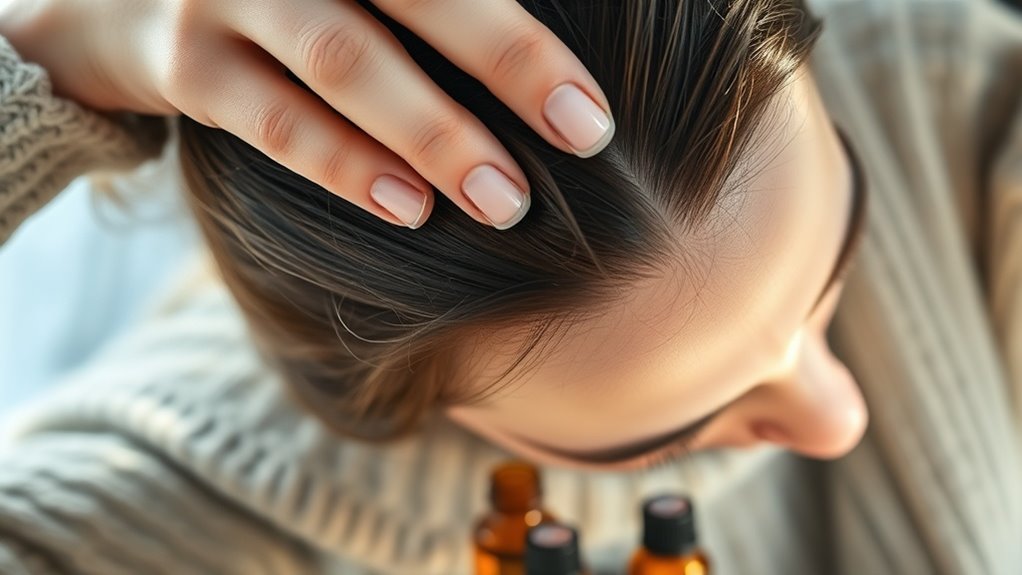
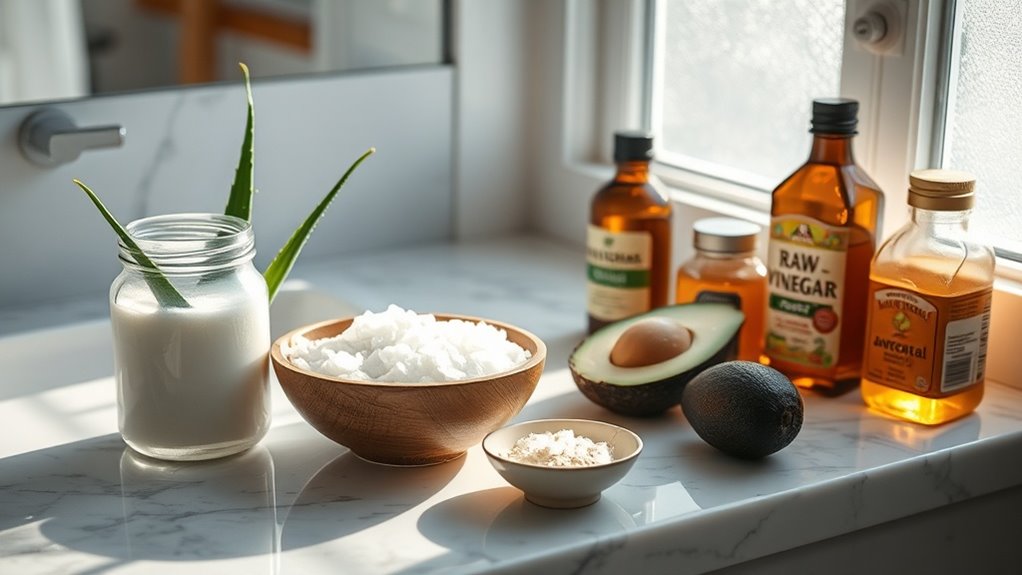
Several evidence-based natural interventions can effectively mitigate winter-induced scalp pruritus through multiple mechanisms of action. Tea tree oil demonstrates antimicrobial efficacy against Malassezia yeast while reducing inflammation. You’ll achieve ideal hydration using coconut, jojoba, or argan oils during scalp massages to enhance barrier function and microcirculation.
Aloe vera gel provides anti-inflammatory relief through cooling properties. Apple cider vinegar rinses restore pH balance when diluted appropriately. Oatmeal-based treatments offer gentle exfoliation of desquamated cells. Chamomile and calendula extracts reduce inflammatory mediators. Honey masks combine antimicrobial activity with moisture retention. These interventions address xerosis, microbial overgrowth, and barrier dysfunction simultaneously.