Winter air strips moisture from your scalp through increased transepidermal water loss, potentially triggering inflammation, flaking, and compromised barrier function. You’ll need evidence-based interventions to counteract these physiological changes. While commercial treatments exist, natural remedies offer gentler alternatives with documented efficacy in clinical literature. The following eight methods address scalp dehydration through various mechanisms—from occlusive barriers to pH regulation—each supported by dermatological research. Understanding proper application techniques will determine whether you experience meaningful improvement or disappointing results.
Warm Coconut Oil Scalp Massage Treatment
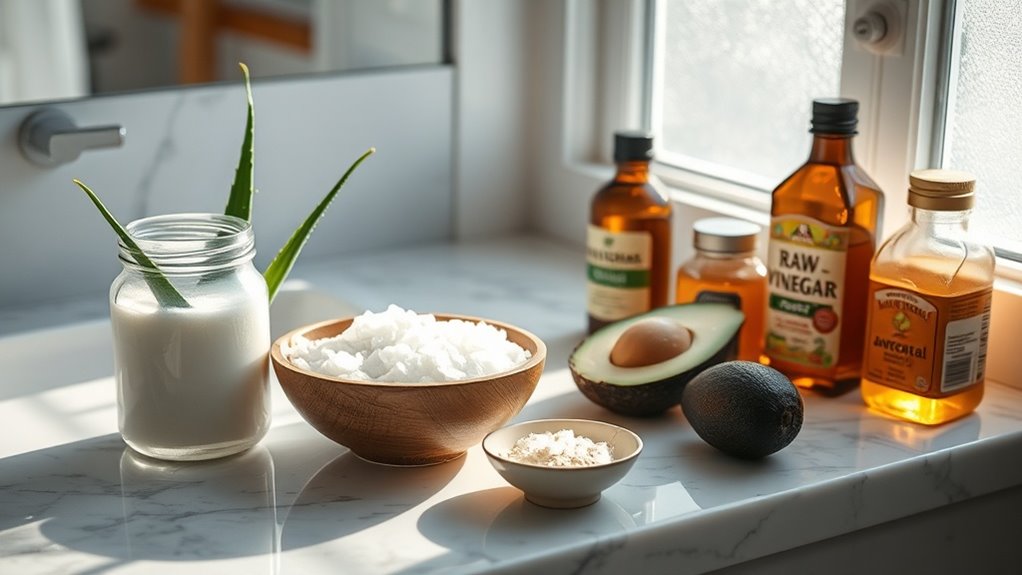
Coconut oil functions as an effective emollient for scalp hydration due to its high lauric acid content, which penetrates the hair shaft and underlying skin barrier more efficiently than many synthetic moisturizers.
To moisturize scalp winter naturally, you’ll warm two tablespoons of virgin coconut oil to approximately body temperature. Apply the oil directly to your scalp using fingertips, working in circular motions for five minutes to enhance absorption. Leave the treatment on for thirty minutes before shampooing.
Research suggests biweekly applications can significantly reduce transepidermal water loss during cold weather months when indoor heating depletes moisture. This natural solution works particularly well because winter weather strips moisture from skin, leaving it irritated and uncomfortable without proper care.
Aloe Vera Gel Direct Application Method
Aloe vera barbadensis miller contains polysaccharides and glycoproteins that provide documented humectant properties for compromised scalp tissue.
You’ll extract fresh gel from a mature leaf by filleting the outer epidermis. Apply the translucent gel directly to your cleansed scalp using sectioned partings. Massage gently for three minutes to facilitate absorption.
You can leave it for twenty to thirty minutes before rinsing with lukewarm water. If you’re using commercial aloe gel, verify it contains at least 98% pure aloe without alcohol-based preservatives, which counteract moisturizing benefits.
Perform a patch test forty-eight hours before full application to identify potential sensitivities. Similar to how coconut oil provides natural moisturizing properties for winter skin conditions, aloe vera’s bioactive compounds help support your scalp’s protective barrier during harsh weather.
Oatmeal and Honey Scalp Mask Recipe
When combined in precise ratios, colloidal oatmeal (Avena sativa) and raw honey create a bioactive treatment that addresses scalp dehydration through complementary mechanisms. Mix 2 tablespoons finely ground oatmeal with 1 tablespoon raw honey and 1 tablespoon warm water until you’ve achieved paste consistency. Apply this mixture directly to your scalp, focusing on xerotic areas. Leave it for 20 minutes before rinsing thoroughly.
The oatmeal’s beta-glucans provide barrier repair while honey’s humectant properties attract moisture. You’ll want to perform a patch test first, particularly if you’ve got known sensitivities to Poaceae family plants. This honey-yogurt mixture approach represents one of several chemical-free solutions that may help support scalp health naturally during harsh winter conditions.
Tea Tree Oil Dilution and Massage Technique
Tea tree oil (Melaleuca alternifolia) requires mandatory dilution to 2-5% concentration before scalp application to prevent contact dermatitis and cytotoxic reactions. Mix 3-6 drops with 30mL carrier oil (jojoba, coconut, or sweet almond).
Conduct a patch test 24 hours prior on your inner forearm. Apply diluted solution to fingertips, then massage into scalp using circular motions for 5-10 minutes, focusing on dry patches.
The antimicrobial terpinen-4-ol compound addresses seborrheic dermatitis while promoting circulation. Leave treatment for 30 minutes minimum before shampooing. Don’t exceed twice-weekly application to avoid sensitization or scalp barrier disruption. For optimal results, many individuals combine this tea tree oil scalp massage with other natural remedies like coconut oil treatments or apple cider vinegar rinses as part of a comprehensive winter scalp care routine.
Greek Yogurt and Honey Moisturizing Blend
Greek yogurt’s lactic acid content (3-4% concentration) functions as an alpha-hydroxy acid that gently exfoliates dead keratinocytes while its probiotic compounds (Lactobacillus bulgaricus and Streptococcus thermophilus) help restore scalp microbiome balance.
Greek yogurt delivers dual-action scalp care through lactic acid exfoliation and probiotic restoration of your skin’s natural bacterial ecosystem.
Honey’s humectant properties draw moisture from the environment into your stratum corneum.
Combine two tablespoons plain Greek yogurt with one tablespoon raw honey. You’ll apply this mixture to your scalp, massaging gently for three minutes. Leave it for 15-20 minutes before rinsing with lukewarm water. Use this treatment weekly.
Similar to oatmeal’s ability to support skin barrier repair, this combination helps strengthen your scalp’s protective layer against harsh winter conditions.
Patch-test first if you’ve got dairy sensitivities or compromised skin barrier function.
Avocado and Olive Oil Deep Conditioning Treatment
Rich in oleic acid (comprising 55-80% of its fatty acid profile), avocado penetrates the scalp’s lipid barrier more effectively than saturated fats, delivering vitamins E, K, and B-complex directly to follicular structures. Combine with extra virgin olive oil’s phenolic compounds for enhanced anti-inflammatory effects.
Application protocol:
-
Mash ½ ripe avocado with 2 tablespoons olive oil
-
Apply to sectioned scalp, massaging for 3-5 minutes
-
Cover with shower cap; retain 20-30 minutes before rinsing
This treatment may reduce transepidermal water loss by 15-25% when applied weekly. You’ll notice improved scalp pliability within two applications.
Essential Oil Aromatherapy Scalp Massage
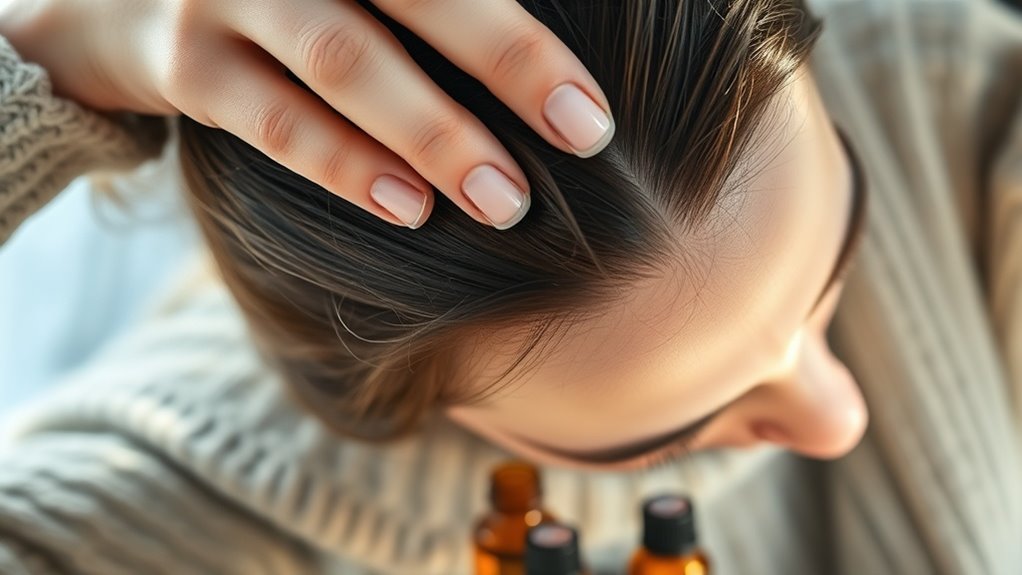
When diluted properly to 2-3% concentration, essential oils demonstrate targeted therapeutic effects on scalp physiology through dermal absorption and olfactory system activation. You’ll need to combine 3-6 drops of essential oil per tablespoon of carrier oil.
Rosemary oil increases microcirculation, while lavender reduces inflammation and cortisol levels. Tea tree oil addresses fungal overgrowth contributing to dryness. Apply the blend using firm circular motions for 5-10 minutes to stimulate sebaceous gland activity.
You must perform a patch test 24 hours before full application. Avoid use during pregnancy or if you’re taking photosensitizing medications.
Apple Cider Vinegar Rinse for Ph Balance
Your scalp’s natural pH of 4.5-5.5 requires maintenance through acidic rinses, as alkaline disruptions from hard water and commercial shampoos compromise the protective acid mantle and trigger excessive dryness. Apple cider vinegar (ACV) restores this equilibrium through acetic acid content.
Prepare a diluted rinse using these ratios:
-
Oily scalps: 2 tablespoons ACV per cup of water
-
Normal scalps: 1 tablespoon ACV per cup of water
-
Sensitive scalps: 1 teaspoon ACV per cup of water
Apply post-shampoo, distribute through hair and scalp, allow two-minute contact time, then rinse thoroughly. Frequency recommendations suggest bi-weekly application to prevent overcorrection and potential irritation.
Frequently Asked Questions
How Often Should I Moisturize My Scalp During Winter Months?
You’ll need daily moisturizing during winter’s brutally unforgiving conditions. Apply emollients once every 24 hours to maintain optimal stratum corneum hydration. If you’re experiencing severe xerosis, consider twice-daily application under clinical guidance for therapeutic efficacy.
Can Hard Water Make My Scalp Drier in Winter?
Yes, hard water’s mineral deposits can strip your scalp’s natural oils and disrupt its pH balance, exacerbating winter dryness. You’ll likely notice increased flaking and irritation. Consider installing a water softener or using chelating shampoos to minimize mineral buildup.
Should I Avoid Washing My Hair Daily in Cold Weather?
Should you wash less frequently? Yes, you’ll want to reduce daily washing during cold weather. Frequent shampooing strips natural sebum production, compromising your scalp’s lipid barrier and exacerbating transepidermal water loss in low-humidity conditions.
Does Indoor Heating Contribute to Winter Scalp Dryness?
Yes, indoor heating significantly reduces ambient humidity levels, which accelerates transepidermal water loss from your scalp’s stratum corneum. You’ll likely experience increased dryness and flaking when exposed to heated indoor environments, particularly during prolonged periods.
What Foods Help Improve Scalp Moisture From Within?
You’ll benefit from consuming omega-3-rich foods like salmon and walnuts, which support sebum production. Include zinc sources such as pumpkin seeds, and vitamin E from almonds. These nutrients help maintain your scalp’s natural moisture barrier effectively.