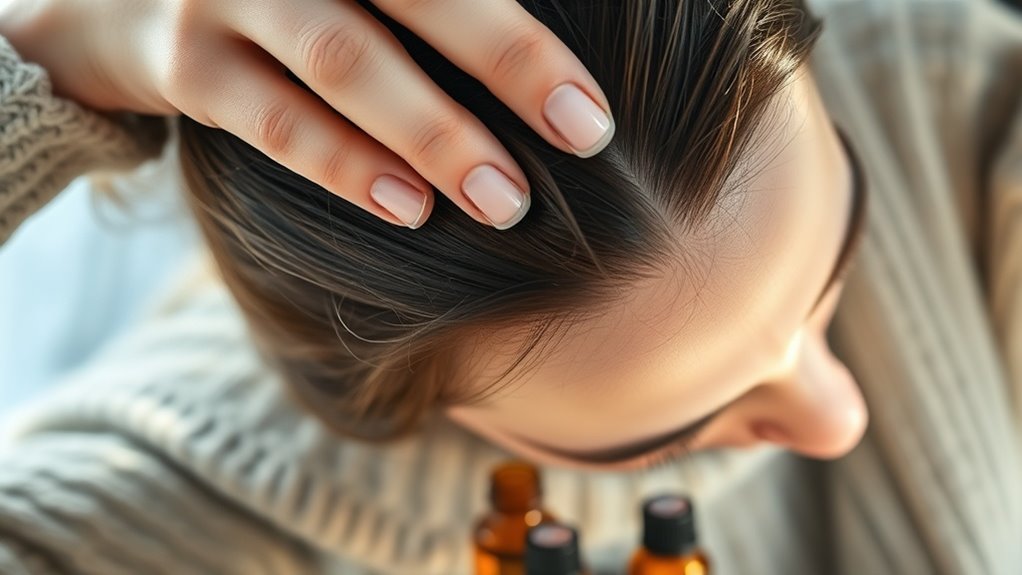
You’ve likely noticed your scalp becoming tender, tight, or downright painful when temperatures drop—and there’s legitimate physiological reasoning behind this discomfort. Cold weather systematically compromises your scalp’s natural defense mechanisms through moisture depletion, lipid barrier disruption, and vasoconstriction of dermal blood vessels. These interconnected processes don’t just cause surface-level irritation; they trigger nociceptor activation and can exacerbate underlying inflammatory conditions you didn’t realize existed. Understanding what’s actually happening beneath your skin’s surface changes everything about how you’ll address it.
How Cold, Dry Air Strips Moisture From Your Scalp and Causes Pain
Cold, dry air initiates a cascade of physiological changes that compromise scalp integrity and precipitate pain. Low ambient humidity accelerates transepidermal water loss, depleting the stratum corneum’s moisture content and destabilizing your protective lipid barrier.
This dehydration disrupts pH homeostasis, rendering your scalp vulnerable to irritation and micro-crack formation. As natural oils deplete rapidly, barrier dysfunction permits irritant penetration, triggering inflammatory responses that manifest as tightness, pruritus, and nociceptive discomfort. Scalp dryness and itchiness intensify as the compromised epidermal layer loses its capacity to regulate moisture balance effectively.
Indoor heating compounds moisture depletion, creating persistent scalp pain cold weather conditions. Reduced blood circulation from vasoconstriction further compromises nutrient delivery to scalp tissues during temperature drops. The compromised barrier exhibits reduced cellular resilience, increasing susceptibility to environmental stressors and pathogenic invasion, thereby perpetuating the pain cycle.
The Link Between Reduced Blood Circulation and Winter Scalp Sensitivity
When ambient temperatures decline, your body initiates thermoregulatory vasoconstriction that markedly compromises scalp perfusion. Subcutaneous blood flow can diminish to 25% of baseline levels, depriving follicular structures of essential oxygen and nutrients.
This hypoperfusion heightens nociceptor sensitivity while metabolic waste accumulation triggers inflammatory responses. You’ll experience manifestations ranging from tightness and tenderness to acute pain, particularly if you have underlying vascular insufficiency, hypothyroidism, or peripheral neuropathy.
The resultant tissue hypoxia exacerbates conditions like tension cephalgia and occipital neuralgia. The scalp’s network of thousands of blood arteries must adequately nourish over 100,000 hair follicles, making adequate vascularization critical for preventing cold-weather discomfort. Cold weather also reduces indoor humidity levels below the optimal 30-50% range, further dehydrating scalp tissue and intensifying discomfort. Protective measures—thermal insulation, mechanical scalp stimulation, and vasodilatory topical treatments—restore adequate circulation and mitigate cold-induced hyperalgesia effectively.
Weather-Related Triggers: Wind Chill, Barometric Pressure, and Scalp Discomfort
Beyond compromised vascular perfusion, meteorological variables themselves directly modulate scalp nociception through distinct physiophysical mechanisms. Wind chill strips protective sebaceous oils, compromising your epidermal barrier while accelerating heat dissipation that sensitizes cutaneous nerve terminals.
Barometric pressure fluctuations—particularly rapid drops preceding storm systems—alter blood flow dynamics in superficial scalp vessels and provoke heightened mechanoreceptor responses in susceptible individuals. Temperature oscillations between frigid outdoor exposures and heated indoor environments trigger inflammatory cascades and disrupt homeostatic barrier function. Indoor heating systems compound these thermal stressors by dramatically reducing ambient humidity, which exacerbates transepidermal water loss and perpetuates the cycle of scalp dehydration.
These weather-related insults synergistically amplify existing scalp pathology, manifesting as xerosis, pruritus, paresthesias, and neurogenic inflammation. Winter weather’s harsh effects strip moisture from the scalp, leaving it irritated and uncomfortable in ways that parallel facial skin damage. Recognizing these environmental triggers enables targeted prophylactic interventions.
Inflammatory Skin Conditions That Flare Up During Cold Months
While meteorological stressors directly sensitize scalp nociceptors, underlying dermatological pathologies constitute the primary substrate through which cold weather precipitates symptomatic exacerbations. You’ll experience seborrheic dermatitis intensification as reduced humidity disrupts scalp barrier function, triggering inflammation and pruritic flaking.
Psoriasis plaques thicken with diminished UV exposure and cold-induced microcirculatory compromise. Atopic dermatitis presents erythematous, fissured lesions when thermal fluctuations stress epidermal integrity. Chilblains manifest as inflammatory vasculitis following repeated cold exposure, producing edematous, pruritic lesions upon rewarming. Cold urticaria generates histamine-mediated wheals on exposed scalp regions. Light therapy (phototherapy) may provide therapeutic benefit for psoriasis manifestations when natural sunlight exposure decreases during winter months.
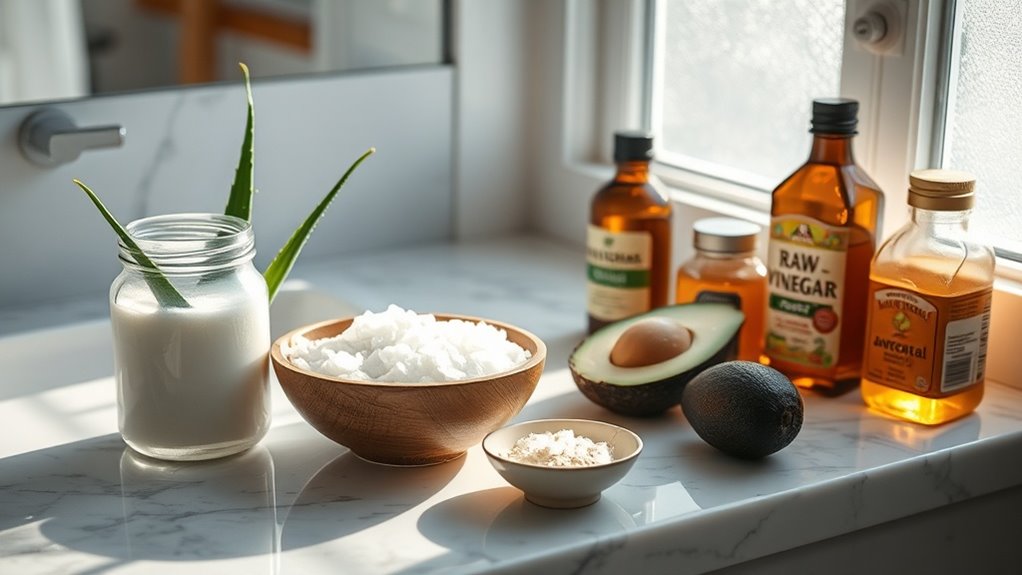
Applying coconut oil treatments with gentle massage may help support scalp barrier function and provide temporary relief from winter dryness associated with these inflammatory conditions. These conditions require differential diagnosis through clinical examination and targeted therapeutic intervention including emollients, topical corticosteroids, or antihistamines.
Protective Strategies and Natural Remedies to Relieve Cold-Weather Scalp Pain
Recognition of cold-induced scalp pathophysiology necessitates implementation of targeted prophylactic measures and evidence-supported therapeutic interventions. You’ll reduce symptom severity through breathable wool headwear, limiting washing frequency to preserve sebaceous secretions, and sulfate-free formulations containing aloe vera or oatmeal extract.
Topical applications of coconut oil, jojoba oil, and tea tree oil provide antimicrobial and barrier-protective effects. Humidifier use counteracts xerosis from central heating. Dietary optimization includes omega-3 fatty acids for anti-inflammatory action and zinc-rich foods supporting collagen synthesis.
Scalp massage enhances microcirculation, while warm compresses alleviate tension-related discomfort. Weekly conditioning treatments maintain stratum corneum integrity during environmental stress. For persistent symptoms, prescription topical corticosteroids may be necessary to manage underlying inflammatory conditions exacerbated by cold weather exposure.