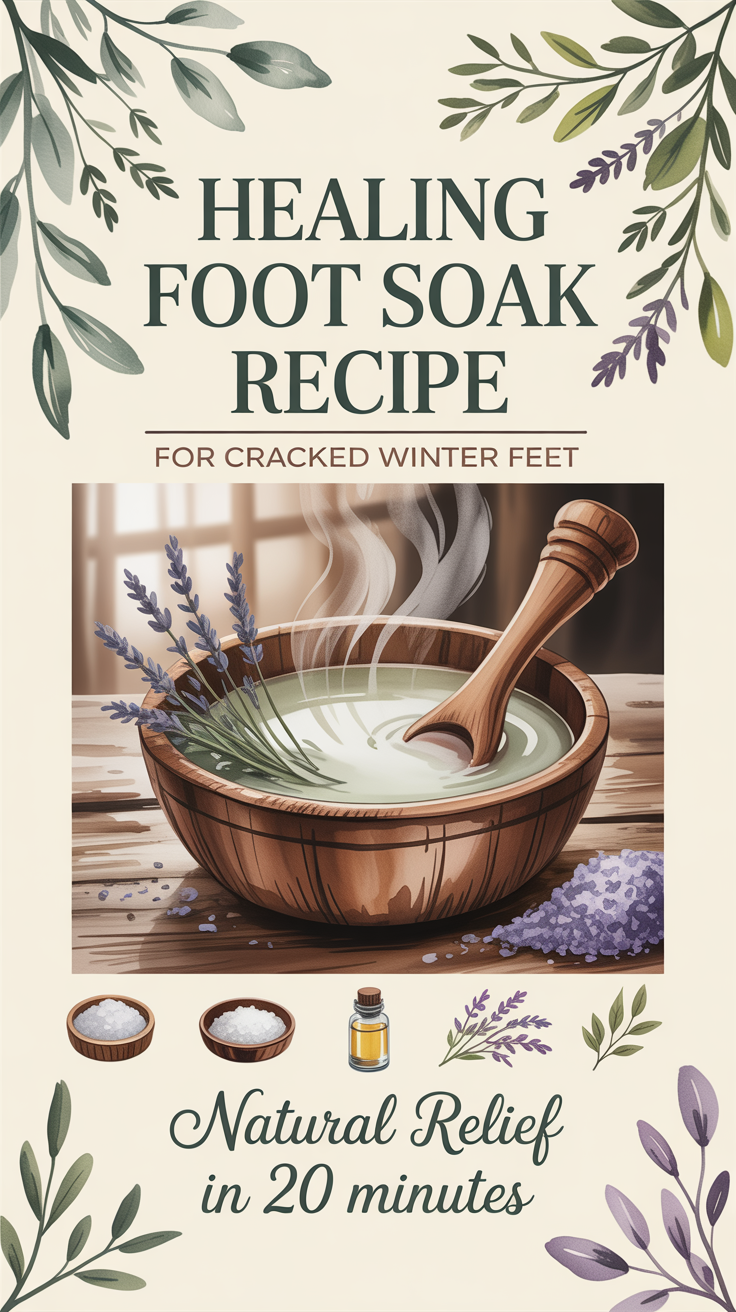
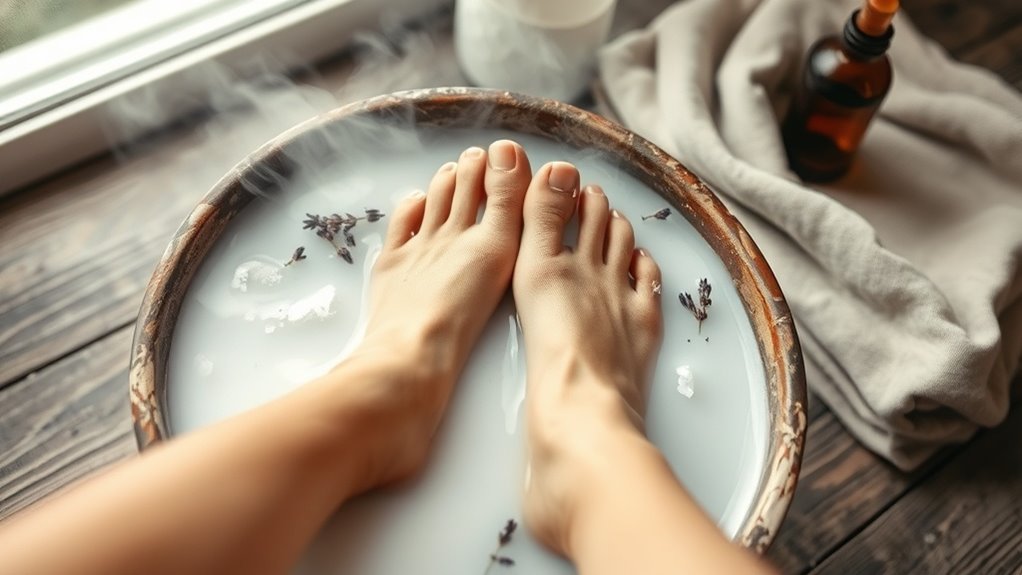
You’ve probably heard that soaking your feet can heal winter cracks, but does the evidence support this claim? Research confirms that hydration therapy through foot soaks increases stratum corneum moisture content by up to 84%, which directly addresses xerosis-induced fissures. However, you’re missing critical information about osmotic gradient manipulation and post-soak occlusion protocols. Without understanding these mechanisms, you’ll likely see minimal improvement despite your efforts. The difference between temporary relief and complete fissure resolution lies in technique precision.
Understanding Why Winter Weather Causes Cracked Feet
Winter’s low humidity and cold temperatures compromise the skin’s lipid barrier, reducing moisture retention in the stratum corneum of plantar surfaces. You’ll experience xerosis, fissuring, and potential bacterial infiltration through compromised epidermis.
Indoor heating exacerbates transepidermal water loss, creating microcracks in weight-bearing areas. A healing foot soak winter treatment protocol addresses these pathophysiological changes by restoring hydration and promoting barrier repair through targeted therapeutic intervention. Soaking feet for 15-20 minutes in warm water helps prepare the skin for subsequent moisturizing treatments and gentle exfoliation.
Essential Ingredients for Therapeutic Foot Soaks
Several evidence-based compounds demonstrate proven efficacy in therapeutic foot soak formulations for treating xerosis and fissuring. You’ll need:
- Epsom salt (magnesium sulfate) – Reduces inflammation and softens hyperkeratotic tissue
- Colloidal oatmeal – Provides anti-inflammatory and barrier-repair properties
- Tea tree oil – Offers antimicrobial action preventing secondary infection
- Glycerin – Functions as humectant drawing moisture into compromised stratum corneum
For optimal results, combine 2 cups Epsom salt with warm water and soak for 15-20 minutes daily to effectively soften damaged skin and support natural healing.
Six Proven Foot Soak Recipes for Healing Cracked Skin
Combining these therapeutic agents into targeted formulations maximizes their synergistic effects for treating plantar xerosis and heel fissures. You’ll implement six evidence-based protocols:
Epsom salt with lavender oil reduces inflammation; oatmeal-milk blend alleviates pruritus; tea tree-peppermint solution provides antimicrobial coverage; baking soda normalizes pH; apple cider vinegar exfoliates hyperkeratotic tissue; honey-chamomile mixture accelerates wound healing through enzymatic action. For optimal results, soak feet for 15-20 minutes in warm water to allow therapeutic ingredients to penetrate cracked skin effectively.
Step-by-Step Instructions for Preparing Your Foot Soak
Proper preparation protocol guarantees optimal transdermal absorption and therapeutic efficacy when treating compromised pedal integument.
- Sterilize basin using antimicrobial solution to prevent secondary bacterial colonization
- Heat water to 37-40°C (98.6-104°F) for ideal keratin softening without thermal injury
- Dissolve therapeutic agents completely before immersion to confirm uniform concentration
- Submerge feet for 15-20 minutes to achieve adequate epidermal hydration and fissure penetration
For enhanced relief, consider adding colloidal oatmeal to your foot soak, which supports skin barrier repair and moisture retention in dry, cracked areas.
Optimal Soaking Duration and Frequency for Best Results
Proper timing and frequency of foot soaks directly impact therapeutic efficacy for xerosis and fissured heels. Clinical guidelines recommend 15-20 minute immersion sessions 2-3 times weekly to maintain ideal stratum corneum hydration without compromising the epidermal barrier.
You’ll need to monitor for maceration indicators—excessive skin blanching, pruning beyond the digits, or tissue fragility—which signal overexposure and potential barrier dysfunction.
Recommended Soaking Time Length
The best duration for therapeutic foot soaking ranges from 10 to 15 minutes per session, as prolonged immersion beyond 20 minutes can compromise the skin’s lipid barrier and exacerbate xerosis.
Timing Guidelines:
- Initial treatment: 12-15 minutes for moderate-to-severe fissuring
- Maintenance therapy: 10 minutes for mild hyperkeratosis
- Maximum duration: Never exceed 20 minutes to prevent maceration
- Post-soak protocol: Pat dry immediately and apply emollient within three minutes
Weekly Treatment Schedule Guidelines
Establishing a structured treatment protocol requires 2-3 sessions per week during the acute phase of plantar xerosis, with frequency adjusted based on clinical response and severity staging. You’ll monitor fissure depth, erythema reduction, and epithelial barrier restoration to determine progression.
Maintenance therapy shifts to weekly applications once hyperkeratosis resolves. Document outcomes using validated scales like the Foot Health Status Questionnaire for objective assessment of therapeutic efficacy.
Signs of Over-Soaking
While extended immersion therapy offers therapeutic benefits, excessive hydration compromises the stratum corneum’s structural integrity and triggers maceration-related pathology.
Monitor for these clinical indicators:
- Blanched epidermis – White, wrinkled tissue indicating overhydration
- Pruritic lesions – Itching accompanied by erythematous patches
- Compromised barrier function – Increased transepidermal water loss
- Secondary infection risk – Elevated susceptibility to fungal colonization
After-Care Tips to Maximize Healing Benefits
Proper post-soak care is essential to restore the epidermal barrier compromised by xerosis and fissuring. You’ll achieve ideal therapeutic outcomes by applying emollients to hydrated skin, which enhances stratum corneum penetration by up to 10-fold compared to application on dry tissue.
Consistent adherence to this protocol, combined with occlusive barriers like cotton hosiery, accelerates keratinocyte regeneration and prevents transepidermal water loss.
Moisturize While Skin’s Damp
Applying emollients to dampened skin enhances transepidermal water retention by up to 70% compared to application on fully dried epidermis. You’ll optimize therapeutic outcomes by:
- Pat-drying feet within three minutes post-soak to preserve residual moisture
- Applying urea-based cream (10-40%) to target hyperkeratotic fissures
- Massaging product into compromised barrier sites
- Donating cotton socks to prevent transepidermal water loss overnight
Wear Breathable Cotton Socks
Why does textile choice critically impact overnight healing outcomes? Cotton’s natural fiber structure enables superior moisture wicking, preventing maceration that compromises epidermal barrier repair. Synthetic materials trap perspiration, creating occlusive environments where bacterial colonization thrives.
You’ll optimize transepidermal water loss regulation by selecting 100% cotton socks post-treatment. This selection directly correlates with accelerated stratum corneum regeneration and reduced fissure depth in clinical studies.
Repeat Treatment Schedule Regularly
While single-session interventions provide temporary relief, sustained fissure resolution requires systematic treatment adherence spanning 2-3 weeks.
Implement this evidence-based protocol:
- Week 1: Perform foot soaks daily (15-20 minutes) to establish baseline hydration
- Week 2: Shift to alternate-day treatments while monitoring fissure depth
- Week 3: Reduce to bi-weekly maintenance sessions
- Documentation: Photograph heel conditions weekly to track epithelialization progress and adjust frequency accordingly