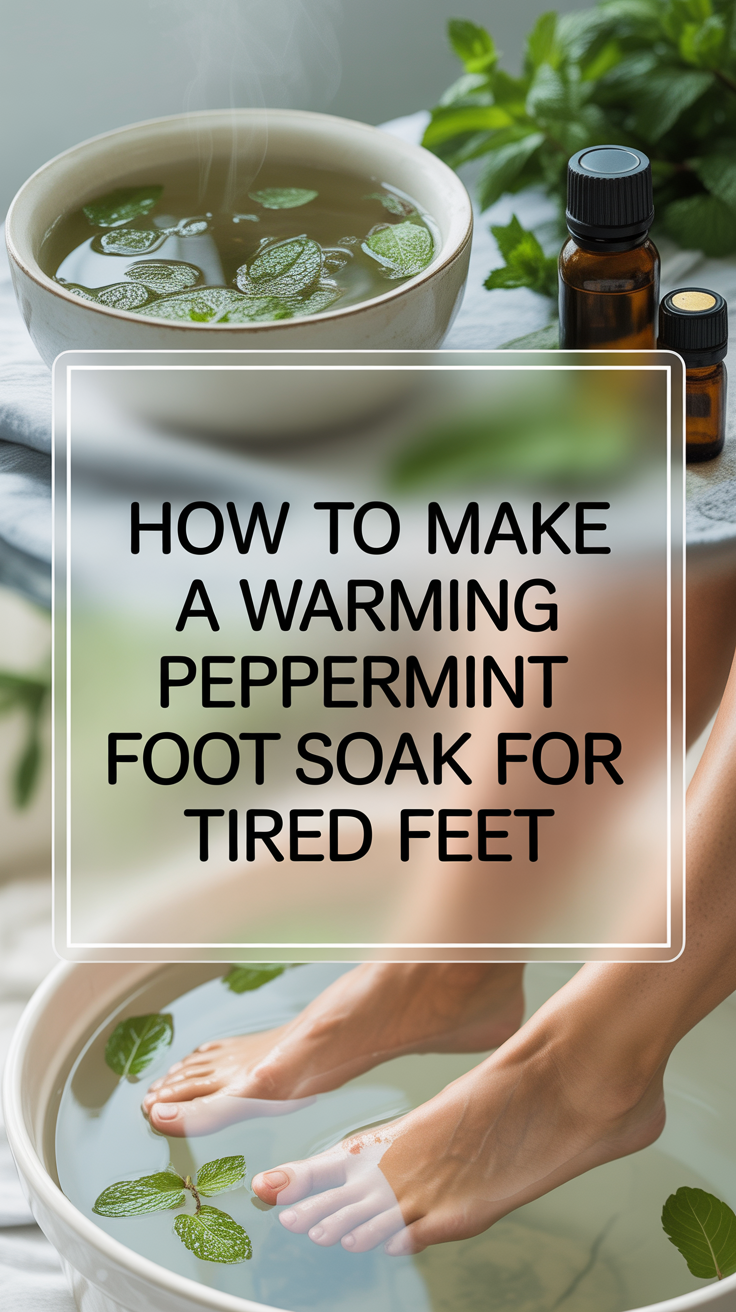
How to Make a Warming Peppermint Foot Soak for Tired Feet.
Have your feet ever throbbed after hours of standing, signaling compromised microcirculation in your lower extremities? You’ll find relief through a therapeutic peppermint foot soak that combines targeted thermotherapy with evidence-based botanical compounds. The menthol in peppermint oil stimulates thermoreceptors while increasing peripheral blood flow to fatigued pedal tissue. When you understand the precise synergy between temperature regulation, mineral absorption, and phytoactive ingredients, you’ll transform this simple remedy into clinically effective treatment for plantar discomfort.
Benefits of Peppermint for Foot Health and Comfort
Peppermint (Mentha piperita) contains menthol, a organic compound that activates transient receptor potential melastatin 8 (TRPM8) channels in cutaneous sensory neurons, producing cooling sensations that temporarily alleviate pedal discomfort.
You’ll find antimicrobial properties in peppermint oil effectively reduce bacterial colonization on plantar surfaces. A warming peppermint foot soak combines thermotherapy benefits with menthol’s analgesic effects, enhancing peripheral circulation while reducing inflammation in tired pedal structures. For optimal results, use 2-3 drops peppermint essential oil per gallon of warm water to create an effective foot soak solution.
Essential Ingredients and Supplies You’ll Need
To prepare an efficacious peppermint foot soak, you’ll require pharmaceutical-grade peppermint essential oil (Mentha piperita, 15-20 drops per treatment), Epsom salt (magnesium sulfate heptahydrate, 1-2 cups) for osmotic action and muscle relaxation, and a basin with minimum 4-gallon capacity to accommodate full pedal and ankle immersion.
Additionally, you’ll need a carrier oil (sweet almond or jojoba) and a thermometer to maintain ideal water temperature between 98-104°F for therapeutic vasodilation. For optimal therapeutic results, plan to soak for 15-20 minutes daily, as this duration has been shown to support effective absorption and skin restoration.
Classic Epsom Salt and Peppermint Foot Soak Recipe
With your supplies assembled, begin by filling your basin with 3-4 gallons of water heated to 100-102°F, verified via thermometer to prevent thermal injury to the integumentary system. Add 1 cup Epsom salt (magnesium sulfate), ensuring complete dissolution through agitation.
Incorporate 5-8 drops peppermint essential oil. Immerse both feet for 15-20 minutes, maintaining water temperature. This formulation facilitates transdermal magnesium absorption while menthol provides analgesic effects on peripheral nerves. Similar to warming ginger compresses used for muscle recovery, this 15-20 minute timing maximizes therapeutic benefits while preventing overexposure.
Warming Ginger-Mint Therapy Blend
When ambient temperatures decline or circulation becomes compromised, this thermogenic formulation combines Zingiber officinale (ginger) with Mentha piperita to enhance vasodilation.
You’ll combine 1 cup Epsom salt, 2 tablespoons fresh grated ginger, and 8 drops peppermint essential oil in 4 liters warm water (40-42°C). The gingerol compounds synergize with menthol to stimulate peripheral blood flow, reducing pedal paresthesia and accelerating metabolic waste removal from fatigued lower extremity tissues. For optimal thermogenic properties, allow the ginger to steep in the warm water for 10-12 minutes before adding the remaining ingredients, as this maximizes the bioavailability of gingerol and shogaol compounds that generate warming sensations through vasodilation enhancement and circulation improvement.
Step-by-Step Preparation Instructions
Proper assembly of this therapeutic foot soak requires systematic attention to component sequencing and temperature maintenance. You’ll fill your basin with 38-40°C water, reaching ankle depth.
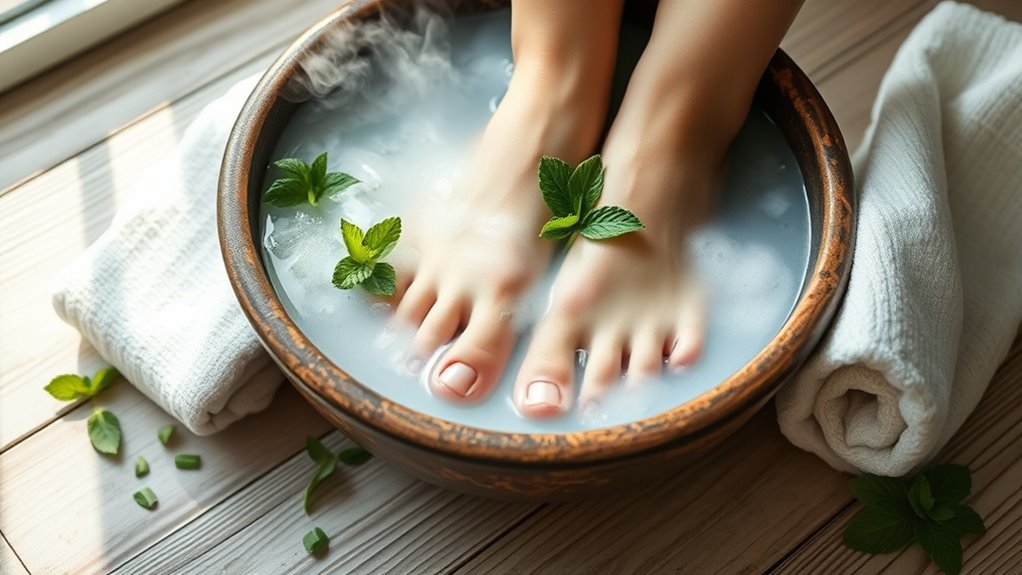
Add dried peppermint leaves and ginger slices, allowing three minutes for active compound diffusion. Submerge feet completely, ensuring water contacts plantar fascia and Achilles tendon regions. Maintain immersion for 15-20 minutes while monitoring temperature consistency.
Optimal Soaking Time and Temperature Guidelines
To maximize therapeutic efficacy while preventing thermal injury or skin maceration, you’ll need to maintain water temperature between 92-100°F (33-38°C) and limit immersion to 15-20 minutes. These parameters optimize transdermal absorption of peppermint’s active compounds—primarily menthol—while promoting vasodilation in the plantar tissues without compromising the stratum corneum’s barrier function.
You should discontinue the soak immediately if you experience erythema, pruritus, or any adverse cutaneous reactions.
Ideal Water Temperature Range
The perfect water temperature for a peppermint foot soak ranges between 92°F and 100°F (33°C to 38°C), with maximum therapeutic efficacy occurring at approximately 98°F (37°C). This range promotes ideal vasodilation in peripheral blood vessels, enhancing menthol absorption through the stratum corneum.
You’ll achieve enhanced circulation to plantar tissues while preventing thermal damage to epidermal layers. Temperatures exceeding 100°F risk compromising skin barrier function and causing first-degree burns.
Recommended Soaking Duration
Scientific research indicates that 15 to 20 minutes represents the ideal duration for peppermint foot soaks, as this timeframe allows sufficient penetration of menthol compounds through the epidermis without causing tissue maceration.
Extended immersion beyond 20 minutes compromises your stratum corneum’s integrity, potentially disrupting the skin barrier function. You’ll achieve maximum therapeutic benefits—including vasodilation, reduced inflammation, and enhanced peripheral circulation—within this evidence-based window.
Signs to Stop Soaking
Recognizing physiological indicators of excessive soaking prevents dermatological complications and guarantees therapeutic effectiveness. You’ll notice skin maceration, appearing as whitened, wrinkled epidermis with compromised barrier function.
Hyperemia (excessive redness) indicates vascular overstimulation. Pruritus or burning sensations signal irritation from prolonged peppermint oil exposure. Numbness suggests impaired peripheral nerve function.
Exit immediately upon experiencing these symptoms to prevent tissue damage and maintain ideal foot health.
Storage Tips and Shelf Life for Your Foot Soak Mixture
Since homemade peppermint foot soak preparations lack commercial preservatives, you’ll need to store them properly to maintain their therapeutic efficacy and prevent microbial contamination. Store dry mixtures in airtight glass containers away from moisture and direct sunlight for up to six months.
Pre-dissolved solutions require refrigeration and remain viable for only 48-72 hours. Label containers with preparation dates to guarantee ideal potency of menthol and essential oil compounds.