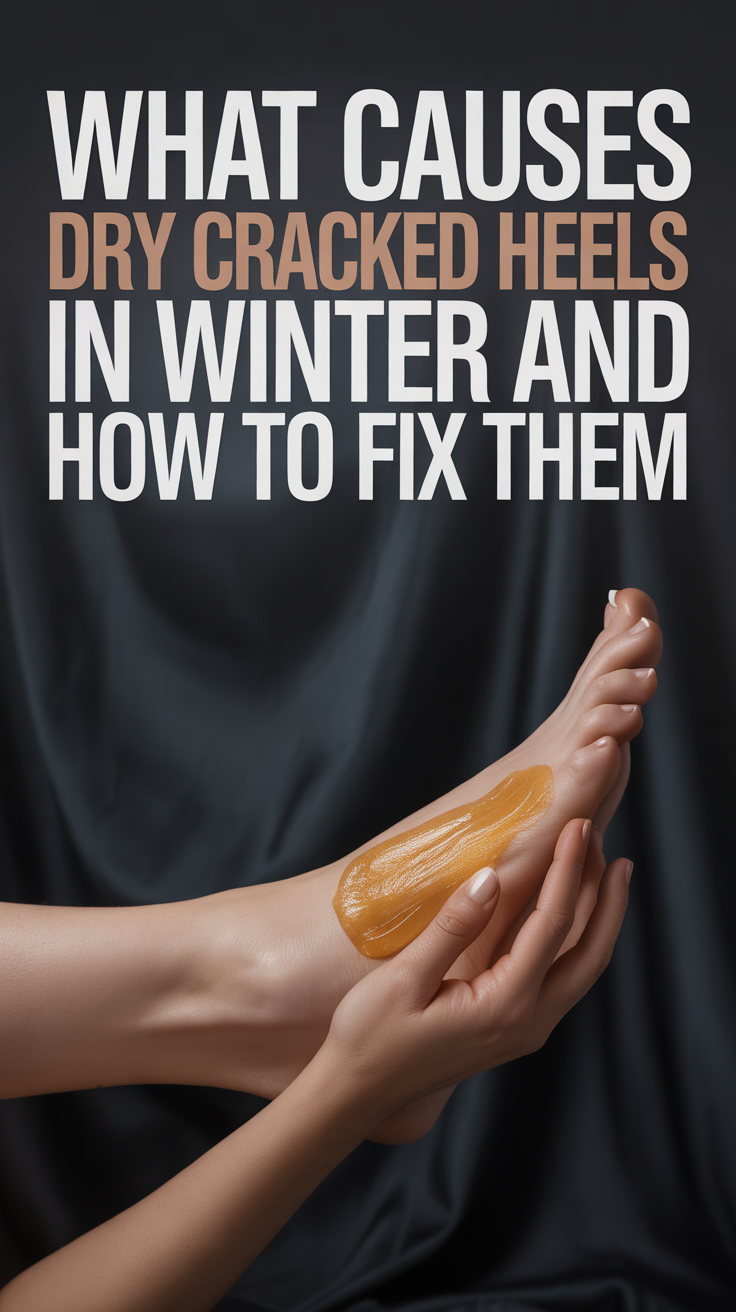
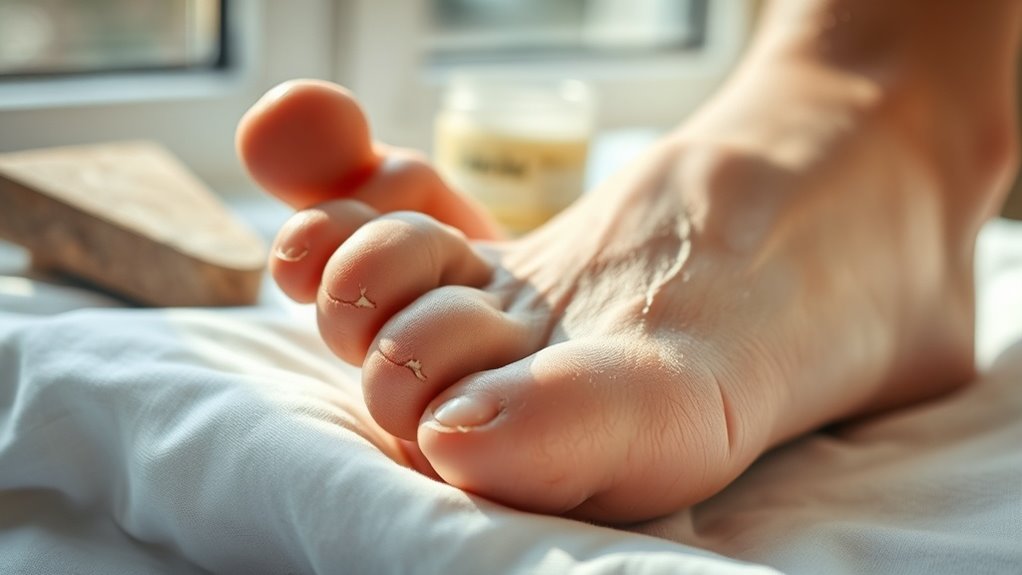
Studies show that up to 20% of adults in developed countries experience cracked heels, with cases spiking dramatically during winter months. You’ve likely noticed your own heels becoming rough and fissured as temperatures drop, but understanding the physiological mechanisms behind this seasonal problem isn’t straightforward. The interplay between environmental factors, your skin’s natural barrier function, and effective treatment protocols requires careful examination. What you’re about to discover might change how you approach your winter foot care routine entirely.
Why Winter Weather Wreaks Havoc on Your Heels
Winter weather strips moisture from your skin through multiple environmental mechanisms that compromise the epidermal barrier. Cold air’s reduced water-holding capacity creates humidity levels below 40%, accelerating transepidermal water loss from your heels.
Indoor heating systems compound this effect by further depleting atmospheric moisture, while heated floors directly dehydrate plantar surfaces. Your heels’ thick stratum corneum and constant weight-bearing stress make them particularly susceptible to fissure formation. The continuous friction and pressure from supporting your body weight throughout the day accelerates the breakdown of already compromised skin tissue.
The combination of low ambient humidity and thermal stress disrupts lipid bilayers in your skin’s protective barrier, causing the characteristic dry cracked heels winter presents. These harsh environmental factors create the need for targeted intervention protocols that address both moisture restoration and barrier repair through consistent daily application.
Medical and Skin Conditions That Make Cracked Heels Worse
While environmental factors accelerate heel deterioration, underlying medical conditions create systemic vulnerabilities that substantially amplify fissure formation and impede healing responses. Eczema and psoriasis compromise skin barrier integrity through inflammation, reducing moisture retention and elasticity.
Diabetes causes peripheral neuropathy and impaired circulation, diminishing sensation while producing excessively dry skin prone to ulceration. Hypothyroidism disrupts hormone production essential for maintaining skin hydration and natural oils, resulting in thickened, fissure-prone tissue. Sjögren’s syndrome attacks moisture-producing glands, creating severe dryness.
Fungal infections like athlete’s foot damage skin barriers, exacerbating fissures. Rheumatoid arthritis can also contribute to the development of cracked heels through its inflammatory effects on the body. Winter conditions can particularly worsen eczema-related heel fissures, as cold weather compromises the skin barrier function necessary for moisture retention. Proper diagnosis and targeted treatment of these conditions are critical for preventing chronic heel complications.
Lifestyle Habits That Contribute to Heel Dryness During Cold Months
Your daily habits play a significant role in the development and severity of heel dryness during winter months. Hot showers and baths, while comforting in cold weather, strip away the skin’s natural lipid barrier that prevents moisture loss from the stratum corneum.
When you neglect to apply emollient-rich moisturizers immediately after bathing or fail to establish a consistent foot care routine, your heels become increasingly susceptible to fissuring and painful cracks. Additionally, standing for long periods or wearing shoes that don’t provide adequate heel support can place excessive pressure on your heels, causing the already dry skin to crack more easily. Incorporating therapeutic essential oil blends into your foot care regimen can provide additional support for skin restoration and help combat winter’s damaging effects on your heels.
Hot Showers Strip Oils
Hot showers strip away sebum and other natural oils that are essential for moisture retention, directly compromising your skin’s protective barrier. Prolonged exposure to hot water weakens this barrier, reducing elasticity and increasing susceptibility to cracks and fissures.
This effect is amplified on your feet, which possess fewer oil glands than other body regions. When combined with harsh, fragranced soaps, the stripping effect intensifies, leading to pronounced dryness and flakiness. Dry skin develops cracks, making it easier for bacteria and infections to penetrate the compromised barrier.
Dermatologists recommend limiting shower duration to 5-10 minutes using lukewarm water, followed by immediate moisturizer application to preserve your skin’s natural lipid balance and prevent heel deterioration.
Neglecting Daily Foot Care
How frequently do you apply moisturizer to your feet during winter months? Skipping daily application of emollient-rich creams containing urea or lactic acid drastically reduces moisture retention and compromises skin barrier function.
Infrequent exfoliation permits hyperkeratotic buildup, deepening fissures. Failure to occlude moisturizers with socks diminishes hydration efficacy. Neglecting daily foot inspection delays identification of early-stage cracks requiring intervention.
Walking barefoot or wearing open-back footwear exposes heels to desiccating environmental conditions. Using thin, non-therapeutic lotions provides inadequate protection against transepidermal water loss.
Inconsistent foot hygiene and irregular pumice stone use perpetuate callus formation, accelerating crack development during cold weather. When deep heel fissures develop, they can become painful and make walking difficult, especially if left untreated during winter months.
Daily Prevention Strategies to Keep Your Heels Smooth All Winter
Apply emollient-rich moisturizers containing glycerin, urea, or shea butter immediately post-bathing to guarantee hydration retention. Utilize overnight occlusive therapy with heavy-duty ointments and cotton socks to enhance epidermal barrier repair.
Maintain ambient humidity through strategic humidifier placement, counteracting desiccating effects of indoor heating systems. Perform gentle mechanical exfoliation using pumice stones to prevent hyperkeratotic buildup.
Select properly fitted, cushioned footwear while avoiding barefoot ambulation on abrasive surfaces. Consider incorporating coconut oil into your moisturizing routine as a natural emollient that helps restore moisture stripped away by harsh winter conditions. Confirm adequate systemic hydration and regular physical activity to promote peripheral circulation and nutrient delivery.
Effective At-Home Treatments to Repair Existing Cracks
When cracked heels progress beyond preventive measures, targeted therapeutic interventions become necessary to restore epidermal integrity and alleviate discomfort.
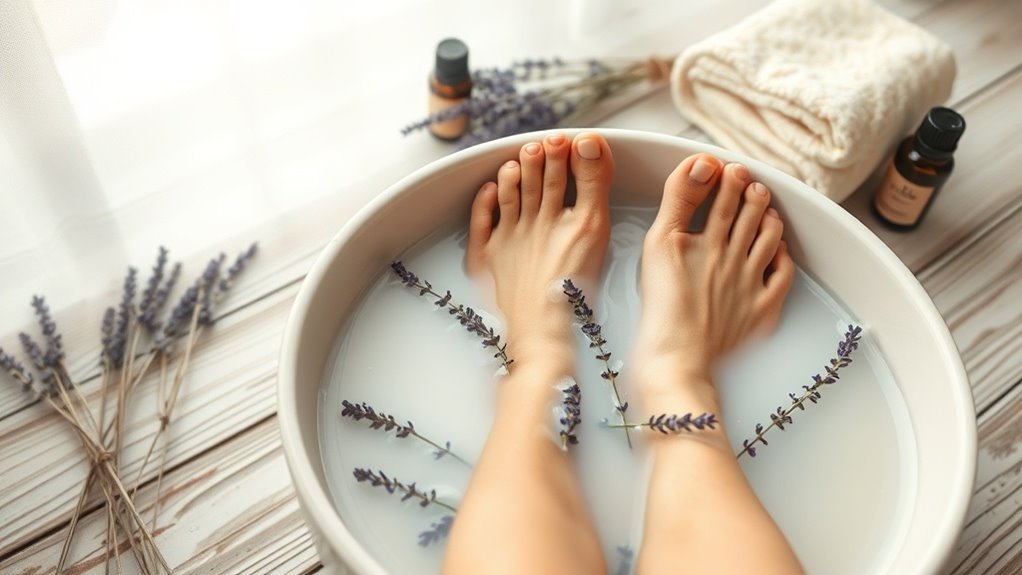
Begin with 15–20 minute warm water soaks containing Epsom salt or apple cider vinegar to soften tissue. Follow immediately with pumice stone exfoliation while skin’s damp—never dry, as this risks tissue damage.
Apply thick ointments containing 10–25% urea, alpha hydroxy acid, or petroleum jelly while skin retains moisture. Implement overnight occlusion therapy: coat heels generously with urea-based cream, then wear cotton socks to enhance penetration. Repeat nightly until fissures resolve.
Consult a podiatrist if symptoms persist.
Advanced Moisturizing Techniques and Overnight Remedies
To maximize healing of cracked heels, you’ll need to advance beyond basic moisturization by implementing layered product application and occlusive techniques. Strategic layering combines humectants like urea to draw water into skin, followed by ceramides to repair barrier function, and sealed with petrolatum-based occlusives to prevent transepidermal water loss overnight.
Pairing these formulations with gel socks or cotton wraps creates an ideal microenvironment that sustains hydration for 6-8 hours, accelerating crack closure and restoring skin integrity.
Layering Moisturizers for Depth
Because the stratum corneum of the heel becomes extensively compromised during winter months, strategic layering of moisturizers creates a multi-tiered approach that addresses both immediate hydration needs and long-term barrier restoration. You’ll apply humectant-rich formulations containing glycerin or hyaluronic acid to damp skin within 3-10 minutes post-bathing, drawing water into dehydrated tissues.
Follow immediately with emollient-dense products—shea butter or lanolin-based—to fill intercellular gaps and prevent transepidermal water loss. For enhanced penetration, incorporate overnight layering using ceramide-enriched moisturizers under breathable cotton socks. This methodology ideally combines hydration with lipid barrier reconstruction, demonstrating measurable improvement within 1-2 weeks of consistent application.
Occlusive Overnight Treatments
While strategic layering establishes robust daytime protection, overnight occlusive treatments amplify therapeutic outcomes by exploiting the skin’s natural nocturnal repair mechanisms and minimizing disruption during prolonged contact periods. Apply 40% urea cream post-exfoliation, then seal with petrolatum to create water-impermeable films preventing trans-epidermal moisture loss. Cotton socks or silicone sleeves enhance occlusion efficacy. Fissure improvement typically emerges after 2–3 consecutive applications.
Therapeutic foot soaks containing tea tree oil pre-soften thickened tissue, optimizing subsequent occlusive penetration. Advanced formulations incorporating dimethicone, lanolin, or semi-occlusive balms combine humectants with barrier-forming agents, facilitating epidermal regeneration during sleep while maintaining cost-effective simplicity through widely accessible petrolatum-based products.
Gel Socks and Wrapping
Gel-lined socks represent specialized occlusive devices engineered to sustain extended moisture exposure through semi-permeable barrier technology. The silicone gel lining creates an enclosed environment that progressively releases hydrating compounds—including glycerin, shea butter, and essential oils—into compromised tissue.
You’ll achieve ideal penetration by presoaking feet for 10-15 minutes before application. Wear these devices for 15-30 minutes or overnight, depending on fissure severity. Research confirms accelerated efficacy when you combine gel socks with emollient-rich creams containing 10-25% urea.
You must clean and dry reusable variants thoroughly between applications to prevent microbial colonization. Results manifest after consistent, repeated use.
When to Seek Professional Help for Severely Cracked Heels
Although home remedies effectively manage mild heel dryness, severely cracked heels demand professional medical evaluation when specific warning signs emerge. You should consult a podiatrist if deep fissures bleed, ooze, or fail to improve after seven days of consistent home care.
Immediate medical attention is necessary when you observe signs of infection—pus, increased warmth, or spreading redness. If you have diabetes, vascular disease, or neuropathy, seek specialized care promptly due to heightened ulceration risk.
Podiatrists provide debridement, prescription-strength keratolytics, and medical adhesives. Dermatologists address underlying skin conditions, while wound specialists manage non-healing ulcers requiring surgical intervention.