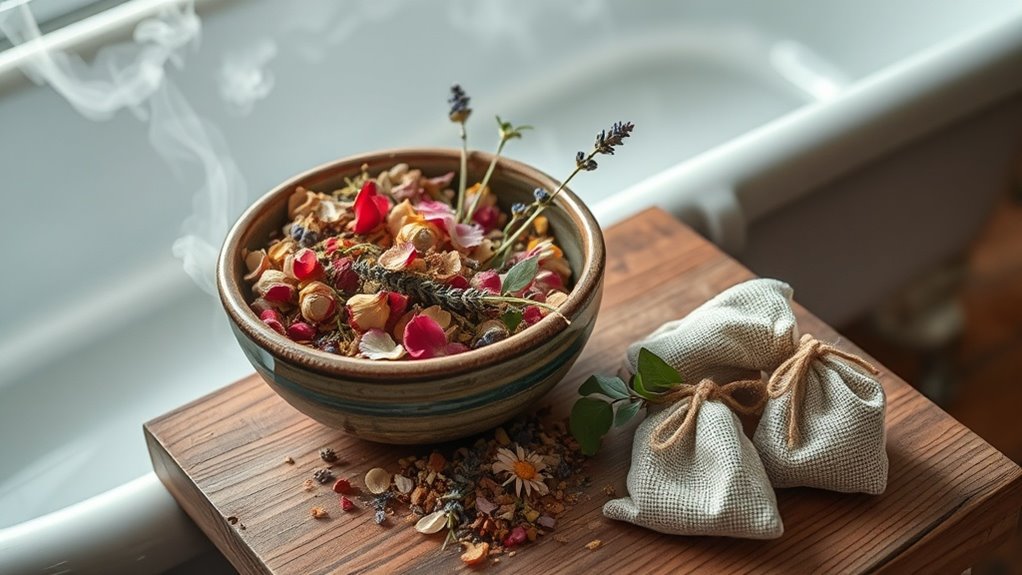
How to Make a Warming Herbal Bath Soak for Winter Aches.
When winter’s chill settles deep into your bones like an unwelcome guest, you’ll find relief in the ancient practice of herbal bathing. For centuries, herbalists have turned to warming botanicals—ginger, cayenne, cinnamon, and yarrow—to ease seasonal aches and restore circulation to cold-stiffened joints. You don’t need specialized training to harness these time-honored remedies. By understanding each plant’s unique properties and learning proper preparation methods, you’ll discover how to transform simple herbs into your own therapeutic winter sanctuary.
Essential Warming Herbs and Their Therapeutic Properties
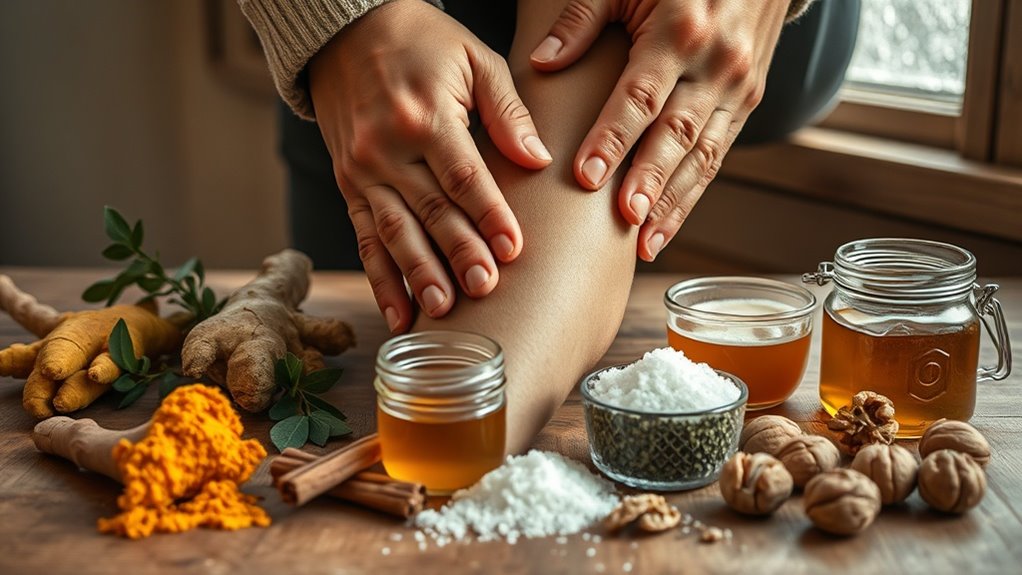
Ginger root stands as one of nature’s most powerful warming allies, generating heat from within while stimulating circulation throughout the body. Its active compounds like gingerol and shogaol trigger thermogenic responses that enhance vasodilation and metabolic activity for sustained internal warmth.
You’ll find cinnamon bark equally valuable in your warming herbal bath soak, delivering sustained heat while easing muscle tension. Cayenne pepper intensifies blood flow to cold extremities, while rosemary strengthens the warming effect and supports joint comfort during winter’s deepest chill.
Gathering Your Ingredients and Supplies
Before you craft your warming bath soak, you’ll need to source specific herbs known for their heat-generating properties and prepare proper containers for blending and storage.
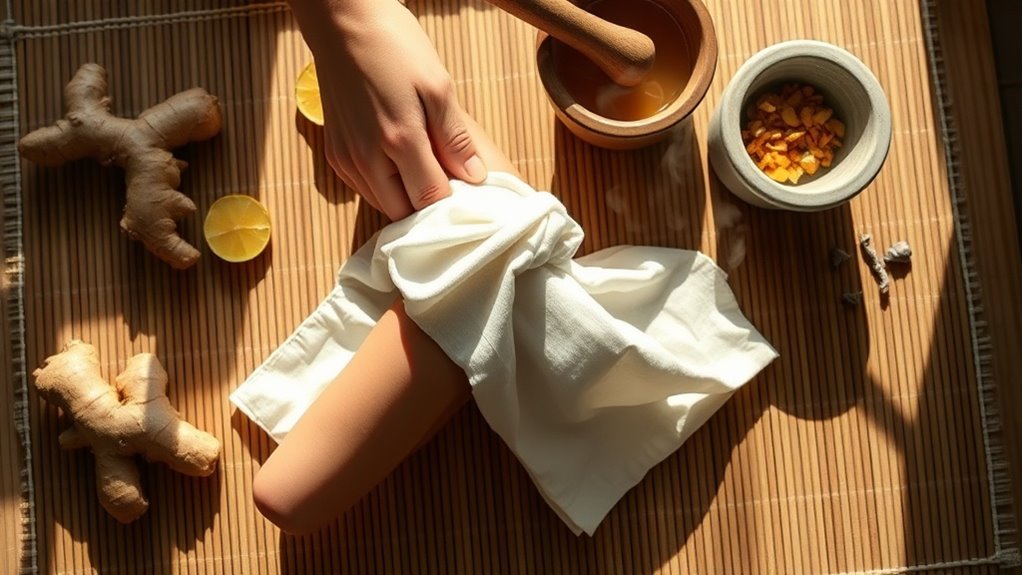
Traditional warming botanicals like ginger root, cinnamon bark, and cayenne work alongside circulation-enhancing herbs such as rosemary and yarrow to create therapeutic heat. Gather glass jars with tight-fitting lids, measuring spoons, a mortar and pestle for crushing dried herbs, and muslin bags to contain your blend during bathing. Plan to use approximately 2 tablespoons dried herbs per cup of hot water for optimal therapeutic potency in your bath preparation.
Essential Herbs for Warmth
The foundation of any effective warming bath begins with selecting herbs that generate heat from within while supporting your body’s natural circulation.
Consider these traditional warming botanicals:
- Ginger root – Stimulates blood flow and penetrates deep into cold, stiff muscles
- Cayenne pepper – Ignites peripheral circulation powerfully
- Cinnamon bark – Gently warms while encouraging movement throughout your limbs
- Rosemary – Invigorates sluggish circulation and eases muscular tension
Necessary Tools and Containers
When preparing your warming herbal bath, you’ll need specific containers and tools that honor both the potency of your botanicals and the safety of your bathing experience. Select glass jars with tight-fitting lids to preserve volatile oils.
Keep muslin drawstring bags for steeping loose herbs, preventing plant matter from clogging drains. A wooden spoon dedicated to herbal preparation maintains botanical integrity.
Step-by-Step Preparation Instructions
Creating your warming herbal bath soak begins with gathering fresh or dried botanicals known for their heat-generating properties—ginger root, cayenne, mustard seed, and rosemary form the foundation of this traditional blend.
Grind dried ginger root into coarse powder using mortar and pestle. Combine one tablespoon cayenne with two tablespoons mustard seed. Add crushed rosemary needles for circulatory stimulation. Store mixture in glass jar away from direct sunlight. For enhanced anti-inflammatory benefits, consider adding green tea leaves to your blend, as their polyphenols and catechins may help support the body’s natural inflammatory response during colder months.
Optimal Measurements and Steeping Times
For maximum therapeutic benefit, your warming bath soak requires two to three tablespoons of the herbal blend per standard bathtub—approximately 40 gallons of water.
Allow the herbs to steep for ten to fifteen minutes in hot water before entering. This steeping period releases the plants’ volatile oils, mucilage, and mineral constituents into the bathwater, activating their warming properties to penetrate deeply into aching muscles and joints.
Keep water temperature between 98-100°F to optimize the release of beneficial compounds while avoiding skin irritation that excessively hot water can cause during winter months.
How to Use Your Herbal Bath Soak Effectively
Before submerging yourself in the herbal waters, prepare your body through dry brushing to open the pores and stimulate lymphatic drainage.
Test water temperature—it should mirror the warmth of sun-steeped meadow soil.
Immerse yourself for twenty minutes, allowing plant compounds to penetrate muscle tissue.
Breathe deeply, inhaling steam-released volatile oils from ginger and rosemary.
Afterward, wrap yourself in natural fibers without rinsing off the herbal residue.
Storage Tips for Maintaining Potency
Your herbal bath soak contains living plant constituents that will degrade when exposed to heat, light, and moisture. Store your blend in amber glass jars with tight-fitting lids, away from direct sunlight and humid bathrooms.
Keep containers in a cool, dark cupboard where temperatures remain stable. Label each jar with preparation date—dried herbs maintain their medicinal properties for six months when properly stored.
Safety Considerations and Precautions
Everyone’s body responds differently to herbal preparations, making a patch test essential before your first full bath. Apply diluted bath soak to your inner forearm and wait 24 hours before proceeding.
Avoid hot baths if you’re pregnant, have cardiovascular conditions, or take blood pressure medications.
Skip cayenne or ginger if you have sensitive skin or open wounds.
Consult your herbalist about potential herb-drug interactions.
Limit soaking time to 20 minutes maximum.