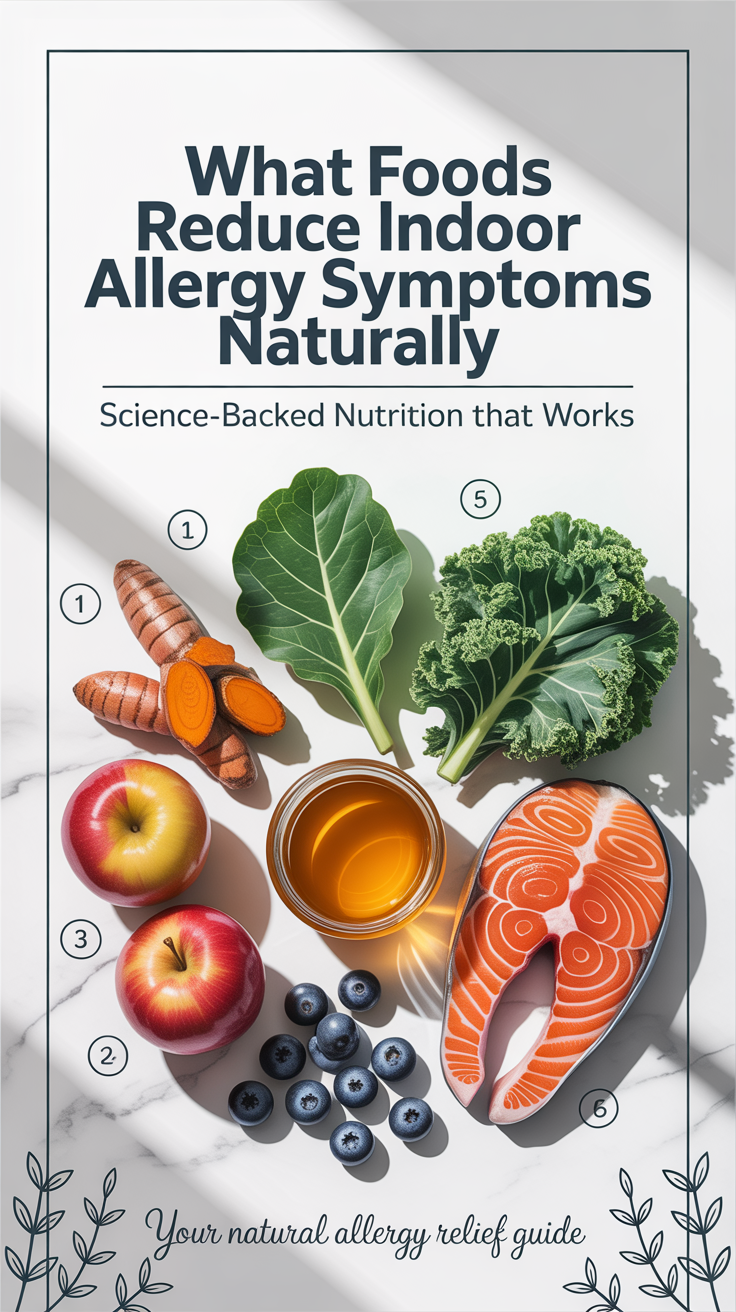
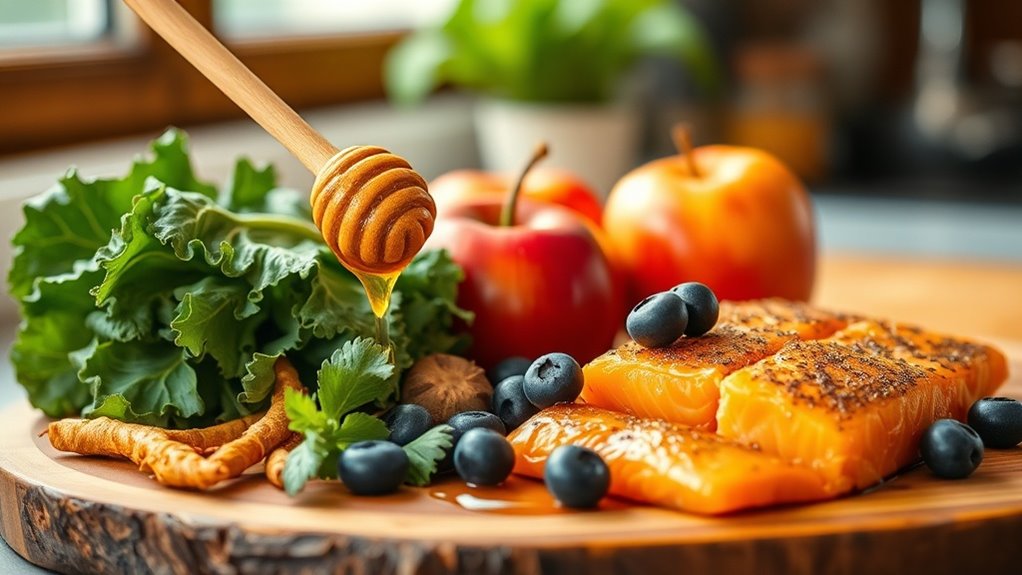
You’ve probably never considered that the foods on your plate directly influence mast cell degranulation—the cellular mechanism behind your sneezing and congestion. Research demonstrates that specific nutrients can stabilize these immune cells and modulate histamine pathways before symptoms even begin. While you’re reaching for over-the-counter antihistamines, certain fruits, fish, and fermented foods are working at the biochemical level to reduce your inflammatory response. Understanding which compounds target indoor allergens most effectively will change how you stock your kitchen.
Vitamin C-Rich Fruits and Vegetables That Block Histamine Release
When histamine levels spike during allergy season, vitamin C emerges as one of the most effective dietary interventions to reduce symptoms naturally. This nutrient stabilizes mast cells while promoting diamine oxidase production—the enzyme responsible for histamine degradation.
Foods reduce indoor allergies most effectively when they’re vitamin C-dense: bell peppers contain higher concentrations than citrus fruits, while broccoli delivers sulforaphane alongside substantial ascorbic acid. You’ll find blueberries support DAO enzyme function, and kale provides anti-inflammatory compounds that combat allergic responses. While most fruits are naturally low in histamine, some contain amines that compete with histamine for the DAO enzyme, which may affect how well your body manages histamine breakdown.
Consuming these foods raw preserves their antihistamine properties, as heat erodes vitamin C content considerably. For optimal absorption, consider eating these anti-inflammatory foods 30 minutes before meals to maximize their effectiveness in supporting your body’s natural histamine balance.
Quercetin-Loaded Foods That Act as Natural Antihistamines
Quercetin functions as a flavonoid that directly inhibits mast cell degranulation—the cellular process that triggers histamine release during allergic reactions. It stabilizes mast cells without tachyphylaxis and reduces pro-inflammatory cytokines like TNF and IL-6.
Capers contain the highest quercetin concentrations, followed by red onions, apples, and berries. Broccoli, kale, spinach, and grapes provide additional dietary sources. Green tea, black tea, and buckwheat tea deliver quercetin with complementary bioactive compounds.
You’ll achieve ideal absorption by pairing quercetin-rich foods with vitamin C sources. Unlike conventional antihistamines that only block histamine receptors, quercetin prevents histamine production at the cellular level. Citrus fruits, bell peppers, and strawberries naturally provide high vitamin C concentrations that enhance quercetin bioavailability. Supplementation offers superior bioavailability compared to dietary intake alone, particularly when taken proactively before allergen exposure.
Omega-3 Fatty Fish That Reduce Airway Inflammation
Beyond mast cell stabilization through flavonoid intake, you can target airway inflammation directly by incorporating omega-3-rich fatty fish into your diet. EPA and DHA downregulate pro-inflammatory cytokines and eicosanoids implicated in allergic airway responses.
Resolvins derived from these fatty acids reduce lung IL-23 and IL-17, suppress eosinophil chemotaxis, and stabilize mast cells to prevent histamine release. These omega-3 derivatives also demonstrate effectiveness at clearing bacterial infections like Nontypeable Haemophilus influenzae that commonly affect individuals with chronic inflammatory conditions. Clinical evidence demonstrates that consuming fatty fish like salmon, mackerel, and sardines twice weekly correlates with reduced hay fever incidence and lower fractional exhaled nitric oxide markers.
Higher omega-3 index (≥8%) enables decreased inhaled corticosteroid requirements for asthma control. Pairing these anti-inflammatory fish with warming spices like ginger root or cinnamon can further support respiratory comfort while naturally enhancing circulation during colder months when indoor allergen exposure typically increases.
Probiotic and Fermented Foods That Balance Gut Immunity
While omega-3 fatty acids target airway inflammation directly, probiotic-rich fermented foods modulate allergic responses through the gut-immune axis. Yogurt, kefir, and fermented cereals deliver Lactobacillus and Streptococcus thermophilus strains that increase regulatory T cells (CD4+FOXP3+Treg) and shift cytokine profiles from Th2-dominant (IL-4, IL-5, IL-13) toward Th1 responses (IFN-γ, IL-12).
This rebalancing reduces allergen-specific IgE production while enhancing gut microbiome diversity—particularly Bifidobacterium and Akkermansia abundance. Increased microbial diversity correlates with lower systemic inflammation markers and strengthened intestinal barrier function, decreasing allergen penetration. Stanford research demonstrated that fermented food consumption decreased levels of 19 inflammatory proteins, including interleukin 6, which plays a key role in allergic inflammation. To further support digestive comfort during periods of dietary adjustment, some individuals incorporate apple cider vinegar remedies such as diluted ACV tonics consumed 20-30 minutes before meals. These gut-mediated effects extend to respiratory tissues via the gut-lung axis, mitigating indoor allergy symptoms.
Anti-Inflammatory Spices and Nuts That Suppress Allergic Responses
Incorporating anti-inflammatory spices and nuts into your diet can substantially modulate your immune response and reduce allergic symptoms.
Curcumin in turmeric inhibits histamine release from mast cells while suppressing inflammatory cytokines, providing tangible relief from nasal congestion and allergic rhinitis.
Cinnamon extract has demonstrated significant therapeutic effects by inhibiting sneezing and nasal rubbing in allergen-induced models through immunomodulatory mechanisms.
Magnesium-rich nuts like cashews and almonds deliver omega-3 fatty acids and essential minerals that stabilize immune function and decrease the severity of allergic reactions.
Turmeric’s Curcumin Calms Inflammation
Turmeric’s active compound, curcumin, delivers potent anti-inflammatory effects by directly modulating immune pathways that drive allergic responses. It suppresses inflammatory cytokines like TNF-α and CCL17 while upregulating anti-inflammatory IL-10 and IL-11.
You’ll benefit from curcumin’s mast cell stabilization, which inhibits histamine release and reduces nasal congestion severity. Clinical trials demonstrate improved nasal airflow in allergic rhinitis patients.
Combine turmeric with black pepper to enhance bioavailability by 2000%, maximizing therapeutic outcomes. Curcumin modulates T regulatory cells and decreases C-reactive protein levels, supporting systemic inflammation control.
Essential turmeric oils containing ar-turmerone provide additional antioxidative benefits for extensive allergy symptom management.
Magnesium-Rich Nuts Reduce Histamine
Magnesium deficiency compromises your body’s ability to break down histamine efficiently, creating a cascade of allergic symptoms that intensify indoor allergy responses. This essential mineral serves as a cofactor for diamine oxidase (DAO), the enzyme responsible for histamine degradation.
Research demonstrates that magnesium depletion triggers mast cell activation within four days, elevating histamine concentrations throughout digestive and respiratory tissues. Fresh almonds, Brazil nuts, and pumpkin seeds provide therapeutic magnesium concentrations while maintaining low histamine profiles. Flaxseeds deliver additional anti-inflammatory compounds that enhance DAO function.
Regular consumption of these nutrient-dense foods restores magnesium status, stabilizes mast cells, and prevents histamine accumulation that drives allergic inflammation.
Bromelain and Enzyme-Rich Foods That Clear Nasal Congestion
Bromelain, a proteolytic enzyme concentrated in pineapple stems and fresh fruit, reduces nasal inflammation and thins mucus by breaking down protein complexes in respiratory secretions. This enzymatic action decreases tissue swelling in the nasal passages while facilitating mucus drainage, directly addressing two primary mechanisms of congestion in allergic rhinitis.
You’ll obtain therapeutic levels of bromelain from fresh or frozen pineapple, though supplements derived from pineapple stems provide higher concentrations for targeted sinus support.
Pineapple’s Bromelain Reduces Inflammation
When nasal passages swell and mucus accumulates during allergic reactions, proteolytic enzymes found in pineapple offer targeted relief through multiple anti-inflammatory mechanisms.
Bromelain’s therapeutic effects include:
- NF-κB pathway inhibition – Suppresses this key inflammatory regulator, reducing cytokine secretion (IL-1β, IL-6, TNF-α)
- MAPK signaling suppression – Blocks ERK1/2, JNK, and p38 phosphorylation in LPS-induced inflammation
- Mucolytic action – Breaks down excess mucus, improving nasal airflow and reducing congestion
- Immune modulation – Decreases CD4 and CD8 T-cell activation while reducing bronchial eosinophils
Clinical studies demonstrate significant reductions in nasal mucus weight and improved respiratory function with bromelain supplementation.
How Enzymes Clear Airways
Proteolytic enzymes transform thick, stubborn mucus into a thinner consistency that your body can expel more easily from congested airways. Bromelain degrades mucus protein structures while simultaneously reducing cytokine-driven inflammation in nasal tissues, decreasing obstruction.
Papain from papaya offers comparable anti-inflammatory effects for sinus congestion relief. Ginger’s bioactive compounds facilitate mucus thinning, while quercetin in onions functions as a natural antihistamine, reducing respiratory inflammation. Citrus fruits provide salicylic acid to break down mucus proteins enzymatically. Curcumin in turmeric delivers anti-inflammatory action that clears nasal passages.
These enzymes enhance drainage, alleviate sinus pressure, and improve breathing capacity through sustained mucosal tissue repair.
Best Bromelain Food Sources
Pineapple stems contain the highest concentration of bromelain among all natural food sources, making them the primary material for commercial enzyme extraction. Fresh pineapple delivers superior enzyme bioavailability compared to canned varieties, as heat processing destroys proteolytic activity. Your body absorbs approximately 12 grams daily without adverse effects.
Additional enzyme-rich foods for respiratory support:
- Papaya – Contains papain protease with protein-breakdown properties comparable to bromelain
- Kiwifruit – Provides actinidain enzyme supporting proteolytic digestion
- Fermented vegetables – Kimchi supplies protease, lipase, and amylase from Bacillus bacteria
- Ginger root – Delivers zingibain protease for supplementary digestive function
Optimal Serving Sizes and Meal Timing for Maximum Allergy Relief
How much of each allergy-fighting food should you consume to achieve meaningful symptom relief? Aim for two servings of omega-3-rich fish weekly (250-500 mg EPA/DHA daily). Consume 1-2 cups of vitamin C-rich fruits and vegetables daily (200-1000 mg target). Include one serving of quercetin sources like onions or apples (500 mg daily). Eat probiotic foods daily (10^9 CFU minimum).
Begin this regimen three weeks before allergy season, distributing servings across all meals to maintain steady bioactive compound levels. Increase hydration by 16-24 oz on high-pollen days. This strategic timing and dosing optimizes antihistamine and anti-inflammatory responses.