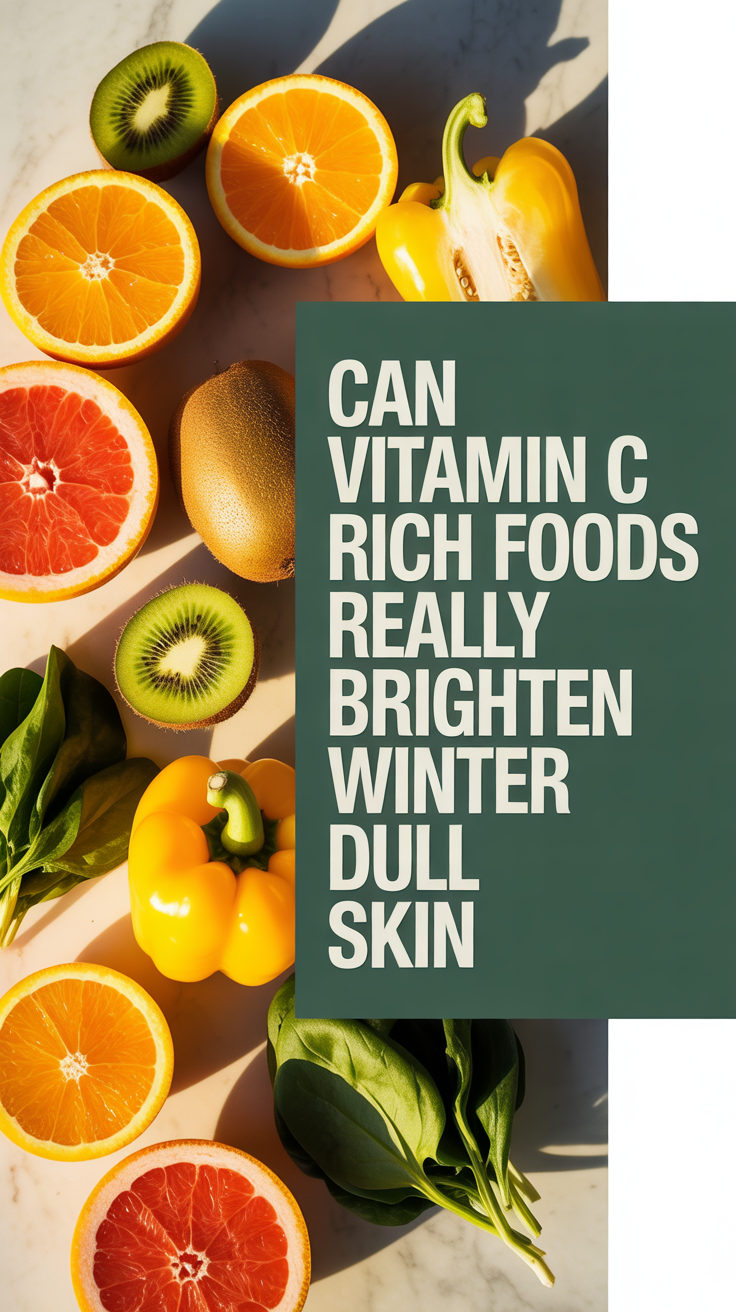

Watching your skin lose its glow during winter months can be frustrating, especially when your usual routine stops working. Yes—vitamin C-rich foods like citrus fruits, bell peppers, and strawberries may help brighten dull winter skin by supporting natural collagen production and potentially reducing dark spots. These dietary additions can complement your skincare routine naturally, without harsh chemicals or expensive treatments. The connection between what you eat and your skin’s radiance is simpler than you might think. Here’s what actually works to restore that winter glow.
Understanding Winter Skin Dullness and Its Nutritional Connection
Eat Vitamin C Foods to Brighten Winter-Dulled Skin
Vitamin C-rich foods may help restore your skin’s natural glow during dry winter months by supporting collagen production and evening out dark spots. You might notice brighter, more radiant skin within 4-6 weeks of consistent intake.
Vitamin C works as a natural brightener by blocking excess melanin production while helping your skin build protective collagen. This dual action can counteract the dullness that comes from winter’s harsh, dry air stripping moisture from your skin’s outer layer.
How to add more vitamin C to your routine:
• Eat 1-2 servings of citrus fruits, bell peppers, or strawberries with breakfast
• Snack on kiwi, papaya, or orange slices mid-afternoon
• Add raw bell peppers or broccoli to lunch salads
• Aim for 75-90mg daily through whole foods rather than supplements
• Combine with healthy fats like avocado to boost absorption
Pro tip: Eat vitamin C foods raw or lightly steamed since heat can reduce their potency by up to 50%.
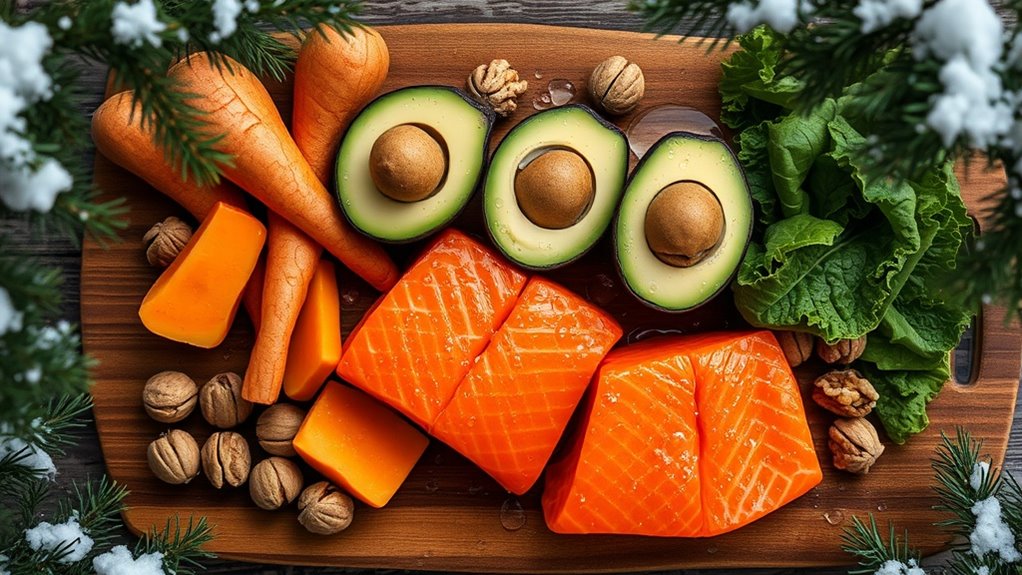
For comprehensive skin support, consider pairing vitamin C foods with omega-3 rich salmon twice weekly to address multiple aspects of winter skin health from within.
The Science Behind Vitamin C and Skin Brightness
Try Vitamin C Serums to Brighten Your Complexion Naturally
Vitamin C serums may help reduce dark spots and enhance your skin’s natural glow within 4-8 weeks of consistent use. This antioxidant works beneath the surface to support a more even, luminous tone over time.
Why it works: Vitamin C can slow down excess pigment production while protecting skin from environmental stressors that cause dullness. It also supports your skin’s natural collagen, which helps create a smoother surface that reflects light better.
How to use it:
• Apply 3-4 drops of vitamin C serum to clean, dry skin each morning
• Gently pat onto face and neck, avoiding the eye area
• Wait 1-2 minutes before applying moisturizer and sunscreen
• Use daily for at least 8 weeks to see visible brightness improvements
• Store your serum in a cool, dark place to maintain potency
Pro tip: Always pair vitamin C with sunscreen during the day, as it makes skin more sensitive to UV rays.
For enhanced results, complement your topical vitamin C routine by consuming antioxidant-rich foods like citrus fruits, bell peppers, and strawberries to support skin radiance from within.
Top Citrus Fruits for Natural Skin Radiance
Citrus fruits represent the most bioavailable dietary sources of L-ascorbic acid, with concentrations ranging from 30-95 mg per 100g serving.
You’ll achieve ideal dermal collagen synthesis by consuming 75-90 mg of vitamin C daily, equivalent to one medium orange or half a grapefruit.
Strategic incorporation of these fruits into your diet enhances melanin regulation and supports the reduction of oxidative stress markers in cutaneous tissues.
While vitamin C addresses internal cellular processes, topical natural moisturizing solutions like coconut oil can complement your winter skincare routine by preventing moisture loss from harsh weather conditions.
Highest Vitamin C Sources
Eat Kakadu Plums for Maximum Vitamin C Boost
Kakadu plums may help brighten dull winter skin with an exceptional 5,300mg of vitamin C per 100g—about 100 times more than oranges. This powerful concentration can support collagen production and even skin tone within weeks of regular consumption.
The extremely high ascorbic acid content works by supporting your body’s natural collagen synthesis while helping regulate melanin production that causes uneven skin tone.
How to add them to your routine:
• Mix 1-2 teaspoons of kakadu plum powder into morning smoothies or yogurt
• Start with small amounts as the tart flavor is intense
• Consume 3-4 times per week for consistent benefits
• Pair with healthy fats like nuts or avocado to enhance absorption
• Store powder in a cool, dark place to preserve potency
Look for freeze-dried powder or extracts, as fresh kakadu plums are rarely available outside Australia.
Try Acerola Cherries to Support Skin Brightness
Acerola cherries deliver 1,678mg of vitamin C per 100g, which may help reduce winter-induced dullness and support your skin’s natural repair process. This tropical fruit can provide noticeable improvements in skin radiance with consistent daily intake.
The concentrated vitamin C supports melanin regulation and helps your body produce collagen more efficiently, addressing both discoloration and skin texture.
How to incorporate them:
• Add ½ to 1 teaspoon acerola powder to water or juice daily
• Blend frozen acerola cherries into smoothies for fresh vitamin C
• Take in the morning for best absorption
• Use 5-6 days per week for optimal results
• Combine with citrus fruits to enhance flavor
Start with smaller doses if you have a sensitive stomach, as high vitamin C can cause mild digestive discomfort.
Add Guavas for Steady Vitamin C Support
Fresh guavas provide 228mg of vitamin C per 100g, which can help brighten skin and support collagen synthesis over time. This accessible tropical fruit may improve skin clarity with regular consumption as part of your winter diet.
The moderate but significant vitamin C content works steadily to support your skin’s natural brightening processes without overwhelming your system.
How to eat them effectively:
• Consume 1 whole guava (or ½ cup sliced) daily for consistent benefits
• Eat the skin for maximum nutrient content
• Add to morning fruit salads or smoothie bowls
• Choose pink varieties for added antioxidant benefits
• Enjoy fresh rather than juiced to retain fiber
Guavas work best when eaten regularly rather than sporadically—consistency matters more than quantity.
Include Kiwifruit for Daily Skin Nourishment
Kiwifruit delivers 93mg of vitamin C per 100g and may help maintain healthy collagen levels while supporting even skin tone. Two kiwifruits daily can provide your full recommended vitamin C intake for skin-brightening benefits.
The balanced vitamin C concentration supports both collagen production and melanin regulation without causing digestive upset common with higher-dose sources.
How to use them:
• Eat 2 medium kiwifruits daily, preferably with breakfast
• Scoop flesh directly from the skin with a spoon for convenience
• Add sliced kiwi to overnight oats or chia pudding
• Include in green smoothies for a nutrient boost
• Choose ripe fruit for sweetness and easier digestion
Gold kiwifruit contains slightly more vitamin C than green varieties and has a milder, sweeter taste.
Enjoy Oranges as Your Accessible Vitamin C Base
Standard oranges offer 53mg of vitamin C per 100g, which can support basic collagen synthesis and help maintain skin brightness during winter months. One medium orange daily may contribute to overall skin health as part of a varied diet.
While lower in vitamin C than exotic fruits, oranges provide consistent, gentle support for skin health that’s easy to maintain year-round.
How to maximize benefits:
• Eat 1-2 whole oranges daily rather than drinking juice
• Consume within 30 minutes of peeling to preserve vitamin C
• Include the white pith for added bioflavonoids
• Pair with meals containing healthy fats for better absorption
• Choose fresh over packaged juice to avoid added sugars
Whole oranges provide fiber that helps regulate vitamin C absorption, preventing the blood sugar spikes that can affect skin health.
Daily Serving Recommendations
Eat Citrus Fruits Throughout the Day for Brighter Skin
Consuming citrus fruits strategically may help support skin brightness and collagen production with just 75-90mg of vitamin C daily—about one medium orange or two clementines. You could see visible improvements in skin tone over several weeks of consistent intake.
Vitamin C may help regulate melanin production and support your body’s natural collagen synthesis. Spreading intake throughout the day can help maintain steadier vitamin C levels since your body processes it within 3-4 hours.
How to incorporate citrus for skin benefits:
• Eat one serving of citrus with breakfast (orange, grapefruit, or 2 clementines)
• Add another serving mid-afternoon as a snack or in water
• Choose fresh fruit over juice when possible for better absorption
• Consume within 30 minutes of cutting to preserve vitamin C content
• Aim for 2-3 servings daily spread across morning, afternoon, and evening
Skip expensive exotic fruits—common oranges and clementines work just as well for meeting your daily vitamin C needs.
Powerful Vegetable Sources of Vitamin C for Your Complexion
While citrus fruits often dominate vitamin C discussions, certain vegetables contain equally potent concentrations of ascorbic acid that support collagen synthesis and melanin regulation.
You’ll find that bell peppers, broccoli, and Brussels sprouts provide exceptional bioavailable vitamin C content ranging from 80-190mg per serving. However, your preparation method directly impacts nutrient retention, as vitamin C degrades rapidly with heat exposure and prolonged cooking times. Just as houseplants naturally purify indoor air during winter months when ventilation is limited, consuming fresh, minimally processed vegetables ensures maximum vitamin C absorption for optimal skin brightening benefits.
Top Vitamin C Vegetables
Add Bell Peppers for Maximum Vitamin C
Bell peppers may deliver more vitamin C than any other vegetable, with red varieties providing up to 190 mg per cup—potentially covering over double your daily needs in a single serving. This makes them one of the most efficient ways to boost your intake naturally.
The high concentration of ascorbic acid in bell peppers can support your body’s collagen production and may help protect cells from oxidative damage. Red peppers contain the most because they’ve ripened longer on the plant.
How to include them:
• Slice raw bell peppers and eat with hummus or dip (cooking reduces vitamin C content)
• Add chopped peppers to salads for a crunchy, nutrient-dense boost
• Aim for 1 cup of raw bell pepper daily
• Choose red over green varieties for maximum vitamin C
• Store in the refrigerator and use within a week for peak freshness
Pro tip: Eat bell peppers raw whenever possible, as heat can break down up to 50% of the vitamin C content.
Eat Broccoli to Support Immune Function
Broccoli can provide about 81 mg of vitamin C per cooked cup, which may help strengthen your immune system and support healthy skin. This cruciferous vegetable offers a solid vitamin C boost along with fiber and other nutrients.
The bioavailable ascorbic acid in broccoli works in your body to support collagen synthesis and might help reduce cellular stress from daily environmental factors.
How to prepare it:
• Steam broccoli for 3-5 minutes to preserve maximum vitamin C (avoid boiling)
• Eat 1-2 cups of cooked broccoli 3-4 times per week
• Add to stir-fries in the last few minutes of cooking
• Toss with olive oil and lemon juice for better nutrient absorption
• Include both florets and stems for complete nutrition
Keep in mind: Lightly cooked broccoli retains more nutrients than raw because light steaming makes the vitamin C more accessible.
Try Brussels Sprouts for Vitamin C Benefits
Brussels sprouts may offer around 75 mg of vitamin C per cooked cup, potentially supporting your body’s natural collagen production and cellular health. They’re a nutrient-dense option that can help you meet daily vitamin C goals.
These mini cabbages contain ascorbic acid that could help your body manage oxidative stress and support tissue repair throughout the day.
How to enjoy them:
• Roast halved Brussels sprouts at 400°F for 20-25 minutes until crispy
• Aim for 1 cup serving 2-3 times weekly
• Toss with balsamic vinegar after cooking to enhance flavor
• Avoid overcooking to preserve vitamin C content
• Pair with healthy fats like olive oil for better nutrient uptake
Quick note: Choose firm, bright green Brussels sprouts and store them unwashed in the fridge for up to a week.
Include Kale for Daily Vitamin C
Kale can deliver approximately 80 mg of vitamin C per cooked cup, which may help nourish your skin and support your immune system naturally. This leafy green offers an easy way to boost vitamin C intake alongside other beneficial nutrients.
The vitamin C in kale works as an antioxidant that might help protect your cells and support the body’s natural collagen-building processes.
How to add it to meals:
• Massage raw kale with lemon juice for salads (softens leaves and adds vitamin C)
• Sauté lightly for 3-4 minutes to retain nutrients
• Eat 1-2 cups of cooked kale 3-5 times per week
• Blend into smoothies with fruit to mask any bitter taste
• Remove tough stems before cooking for better texture
Helpful tip: Baby kale tends to be more tender and milder in flavor than mature leaves.
Choose Cauliflower for Vitamin C Support
Cauliflower provides about 52 mg of vitamin C per cooked cup, which may help support your body’s natural healing processes and skin health. It’s a versatile, mild-tasting vegetable that can easily fit into various meals.
The ascorbic acid in cauliflower can work to support collagen formation and might help reduce the effects of daily cellular stress on your body.
How to prepare it:
• Steam or roast cauliflower florets for 15-20 minutes at 425°F
• Include 1-2 cups in your diet 2-3 times weekly
• Rice cauliflower in a food processor for a low-carb alternative to grains
• Add to soups in the last 10 minutes of cooking
• Eat within 3-4 days of purchase for optimal vitamin content
Pro tip: White, purple, and orange cauliflower varieties all contain similar vitamin C levels—choose based on preference.
Preparation Methods for Potency
Steam Vegetables for Maximum Vitamin C Retention
Steaming vegetables for under five minutes may help preserve up to 85% of their vitamin C content, delivering more nutrients to your system than other cooking methods. Quick steaming minimizes heat exposure and keeps ascorbic acid intact.
Vitamin C breaks down when exposed to temperatures above 140°F for extended periods. Steaming uses gentle, indirect heat that protects water-soluble vitamins from degrading or leaching away.
How to steam for best results:
• Place vegetables in a steamer basket over boiling water
• Cover and steam for 3-5 minutes until just tender
• Remove immediately and run under cool water to stop cooking
• Serve right away to preserve nutrient content
• Steam 2-3 times per week as part of your routine
Add a squeeze of lemon after steaming—the acidity can help stabilize remaining vitamin C while enhancing flavor.
Eat Raw Vegetables to Maximize Vitamin C Intake
Consuming vegetables raw may deliver 100% of their natural vitamin C, giving your body access to the full nutrient content without any heat-related losses. This approach works best for vegetables you already enjoy eating fresh.
Heat degrades ascorbic acid molecules, but raw vegetables keep all their vitamin C intact. No cooking means zero nutrient loss to high temperatures or water leaching.
How to incorporate raw vegetables:
• Add bell peppers, broccoli, or cabbage to fresh salads
• Snack on raw veggie sticks with hummus or dip
• Blend leafy greens into smoothies with fruit
• Top sandwiches with fresh spinach or arugula
• Aim for at least one raw vegetable serving daily
Chop or slice vegetables just before eating—cut surfaces can lose vitamin C when exposed to air for too long.
Try Blanching to Preserve Vegetable Nutrients
Blanching vegetables briefly in boiling water may help retain 80-90% of vitamin C while softening texture and brightening color. This quick technique offers a middle ground between raw and fully cooked.
The short cooking time (30-90 seconds) limits heat exposure, while immediate cooling stops the degradation process. This method can protect more nutrients than prolonged boiling or roasting.
How to blanch properly:
• Bring a large pot of water to a rolling boil
• Drop vegetables in for 30-90 seconds only
• Remove immediately with a slotted spoon
• Plunge into ice water for 1-2 minutes
• Use blanched vegetables in salads or as quick sides
Save blanching water for soups or stocks—some nutrients do leach out and can be reused rather than discarded.
Tropical Fruits That Combat Winter Skin Concerns
Try Guava for Winter Skin Hydration
Guava delivers 228mg of vitamin C per 100g, which may help your skin retain moisture and bounce back from winter dryness. You could see improvements in skin texture within 2-3 weeks of regular consumption.
Vitamin C supports your skin’s ability to produce collagen and acts as an antioxidant that protects against cold weather damage. The high concentration in guava means you get maximum benefits from smaller portions.
How to use it:
• Eat 1 cup of fresh guava slices daily with breakfast or as a snack
• Blend into smoothies with yogurt for added hydration benefits
• Apply fresh guava pulp directly to dry patches for 10 minutes
• Leave on clean skin, then rinse with lukewarm water
• Repeat 3-4 times weekly during winter months
One guava fruit provides over 4 times your daily vitamin C needs, so even half a fruit can support skin health.
Eat Papaya to Gently Remove Dry Skin
Papaya contains natural enzymes called papain that may help dissolve dead skin cells*, *revealing smoother, softer skin underneath. This gentle exfoliation can work within 10-15 minutes of application.
The papain enzyme breaks down proteins in dead skin without harsh scrubbing, making it ideal for sensitive winter skin that’s already compromised.
How to use it:
• Mash 2-3 tablespoons of ripe papaya into a smooth paste
• Apply the paste to clean, dry areas of your face or body
• Leave on for 10-15 minutes while relaxing
• Rinse thoroughly with cool water and pat dry
• Use 1-2 times per week to avoid over-exfoliation
Papaya works best on slightly damp skin, so apply right after cleansing for better enzyme activity.
Add Pineapple to Support Skin Firmness
Pineapple’s bromelain enzyme may help support collagen production, which can improve skin elasticity that winter weather tends to weaken. Regular consumption might show visible effects in 4-6 weeks.
Bromelain works alongside vitamin C to help your body maintain the protein structures that keep skin firm and resilient during harsh conditions.
How to use it:
• Eat 1 cup of fresh pineapple chunks 3-4 times weekly
• Blend into morning smoothies with other tropical fruits
• Apply fresh pineapple juice to skin with a cotton pad
• Leave on for 5-10 minutes, then rinse well
• Limit topical use to once weekly as it can be strong
Fresh pineapple contains more active enzymes than canned versions, so choose raw fruit when possible.
Try Kiwi to Protect Against Winter Damage
Kiwi provides concentrated antioxidants that may help shield your skin from the oxidizing effects of cold winds and indoor heating. You’ll get protective benefits from just one fruit daily.
The polyphenols in kiwi work like a protective layer that can neutralize environmental stressors before they damage skin cells and cause premature aging.
How to use it:
• Eat 1-2 kiwi fruits daily, including the skin if organic
• Slice and add to salads or yogurt bowls for variety
• Mash kiwi and mix with honey for a nourishing face mask
• Apply to clean skin for 15 minutes before rinsing
• Use as a mask 2-3 times weekly throughout winter
The fuzzy skin contains extra fiber and antioxidants, so give it a quick rinse and eat it whole for maximum benefits.
Daily Dietary Strategies to Maximize Vitamin C Absorption
Pair Vitamin C Foods with Iron-Rich Meals to Boost Absorption
Eating vitamin C alongside iron-rich foods may help your body absorb up to 300% more iron while supporting healthy collagen production for skin. This combination works especially well with plant-based iron sources like beans, lentils, and spinach.
Vitamin C changes plant iron into a form your body can use more easily. At the same time, it supports the natural processes that keep your skin firm and healthy.
How to combine them:
• Add lemon juice or tomatoes to bean dishes and salads
• Pair strawberries or orange slices with iron-fortified oatmeal
• Squeeze fresh lime over spinach or lentil meals
• Snack on bell peppers with hummus
• Drink citrus juice with your iron-rich breakfast
Try having a small vitamin C source with every meal that contains iron for best results.
Spread Vitamin C Throughout Your Day for Better Results
Eating smaller amounts of vitamin C multiple times daily can support better absorption than taking one large dose. Your body may reach peak absorption at around 200mg at a time, making frequent smaller servings more effective.
Your bloodstream can only hold so much vitamin C at once. Spreading your intake helps maintain steady levels throughout the day rather than losing excess through waste.
How to space it out:
• Include vitamin C foods at breakfast, lunch, and dinner
• Snack on citrus fruits, berries, or bell peppers between meals
• Aim for 75-100mg portions rather than 500mg all at once
• Keep fresh fruits visible on your counter as reminders
• Pack portable options like cherry tomatoes or kiwi for on-the-go
Consider setting phone reminders if you tend to forget your midday vitamin C snacks.
Use Gentle Cooking Methods to Preserve Vitamin C Content
High heat can break down vitamin C in foods, reducing the benefits you get from fruits and vegetables. Quick, low-temperature cooking or eating foods raw may help preserve their natural vitamin content.
Vitamin C is delicate and can degrade when exposed to high temperatures, long cooking times, or excessive water. Protecting it during preparation helps you get the most nutritional value.
How to protect vitamin C when cooking:
• Steam vegetables for 5 minutes or less instead of boiling
• Eat vitamin C-rich fruits and veggies raw when possible
• Use minimal water when cooking to reduce nutrient loss
• Add delicate greens at the end of cooking time
• Store cut produce in airtight containers in the fridge
Prep your vitamin C foods right before eating rather than cutting them hours in advance.
Combining Vitamin C Foods With Other Skin-Supporting Nutrients
Pair Citrus Fruits with Almonds or Sunflower Seeds
Citrus fruits combined with vitamin E-rich nuts may help boost your skin’s antioxidant defenses and support collagen production. This pairing works together to protect skin cells from damage.
The vitamin C in citrus enhances collagen synthesis while vitamin E from nuts guards cell membranes. Together, they create a more powerful antioxidant effect than either nutrient alone.
How to combine them:
• Snack on an orange with a small handful (1 oz) of raw almonds
• Add sunflower seeds to your morning grapefruit bowl
• Mix sliced citrus with crushed almonds in yogurt
• Enjoy 1-2 servings daily for ongoing skin support
Best consumed together in the same meal to maximize absorption and synergistic benefits.
Add Bell Peppers with Avocado in Salads
Bell peppers and avocado together can support skin elasticity and hydration from within. This combo delivers vitamin C alongside healthy fats that help your body absorb fat-soluble nutrients.
Vitamin C from peppers needs dietary fat for optimal absorption. Avocado’s monounsaturated fats enhance nutrient uptake while providing skin-nourishing essential fatty acids.
How to prepare:
• Slice ½ bell pepper (any color) with ¼ avocado over mixed greens
• Drizzle with light dressing and toss well
• Eat as a side dish or main salad
• Include 3-4 times weekly for consistent results
Raw bell peppers contain more vitamin C than cooked, so keep them fresh and crunchy.
Mix Strawberries with Wheat Germ
Strawberries paired with wheat germ may help protect skin from oxidative stress while supporting cell renewal. This combination brings together vitamin C and vitamin E for enhanced antioxidant action.
The vitamin C in strawberries boosts collagen while wheat germ provides vitamin E and B vitamins. These nutrients work synergistically to maintain skin structure and resilience.
How to enjoy them:
• Top 1 cup fresh strawberries with 1-2 tablespoons wheat germ
• Blend both into smoothies or oatmeal
• Layer in parfaits with yogurt
• Consume 2-3 times per week for skin benefits
Store wheat germ in the refrigerator after opening to prevent the oils from going rancid.
Sauté Broccoli in Olive Oil
Broccoli cooked in olive oil can support collagen production and skin protection better than eating either alone. The healthy fats help unlock fat-soluble vitamins while vitamin C remains bioavailable.
Olive oil contains vitamin E and polyphenols that complement broccoli’s vitamin C. Light cooking in fat actually improves absorption of certain protective plant compounds.
How to prepare it:
• Heat 1-2 tablespoons olive oil in a pan over medium heat
• Add chopped broccoli florets and sauté 5-7 minutes
• Cook until tender-crisp to preserve vitamin C
• Season lightly and serve warm
• Include 2-3 times weekly as a side dish
Avoid overcooking—broccoli should stay bright green to retain maximum vitamin C content.