You’ve likely noticed your canker sores flare up more frequently when temperatures drop, and there’s solid science behind this pattern. Winter creates a perfect storm of oral health challenges: reduced saliva production from heated indoor air, compromised immune function during cold months, and dietary shifts that deprive your body of essential nutrients. Understanding these specific triggers isn’t just academic—it’s your first step toward breaking the cycle and protecting your mouth year-round.
Cold Weather and Dry Air: How Winter Conditions Weaken Your Oral Defenses
Winter’s environmental conditions create a cascade of physiological changes that compromise your oral cavity’s natural protective mechanisms. Cold outdoor temperatures and heated indoor environments markedly reduce ambient humidity, diminishing your saliva production.
This salivary deficiency impairs acid neutralization and bacterial clearance, allowing pathogenic accumulation on vulnerable soft tissues. Concurrently, mouth breathing during winter months exposes oral mucosa to desiccating airflow, further compromising moisture barriers.
Temperature fluctuations weaken tissue resilience, transforming minor trauma into ulcerative lesions. Without adequate saliva to neutralize acids and clean food particles, the oral environment becomes more susceptible to irritation and lesion formation. The combination of dry air and weakened immunity during cold weather creates ideal conditions for canker sore development. For effective winter canker sore prevention, you’ll need to counteract these environmental stressors through strategic hydration maintenance and humidity optimization in your living spaces.
Weakened Immune System During Colder Months Makes You More Vulnerable
Beyond these environmental factors, your body undergoes profound immunological shifts during winter that directly compromise your resistance to canker sore formation. Approximately 23% of your genome exhibits seasonal expression changes, with pro-inflammatory genes—including IL-6 signaling pathways—significantly upregulated during colder months.
Your monocyte counts increase while circadian gene ARNTL expression decreases, elevating C-reactive protein and soluble IL-6 receptor levels. These inflammatory biomarkers create an environment conducive to oral ulceration. Additionally, elevated melatonin from extended darkness disrupts immune regulation, while increased glucocorticoid levels suppress defensive responses.
This seasonal immunological reconfiguration heightens your susceptibility to viral infections and host-mediated pathology, directly triggering canker sore development. Winter months also show increased expression of TLR7 and TLR8, innate immune sensors that can amplify inflammatory responses when dysregulated. Supporting your body’s natural defenses with evidence-based herbal remedies like echinacea, elderberry, and astragalus may help counteract these seasonal immune challenges.
Nutritional Gaps and Holiday Diet Changes That Trigger Mouth Ulcers
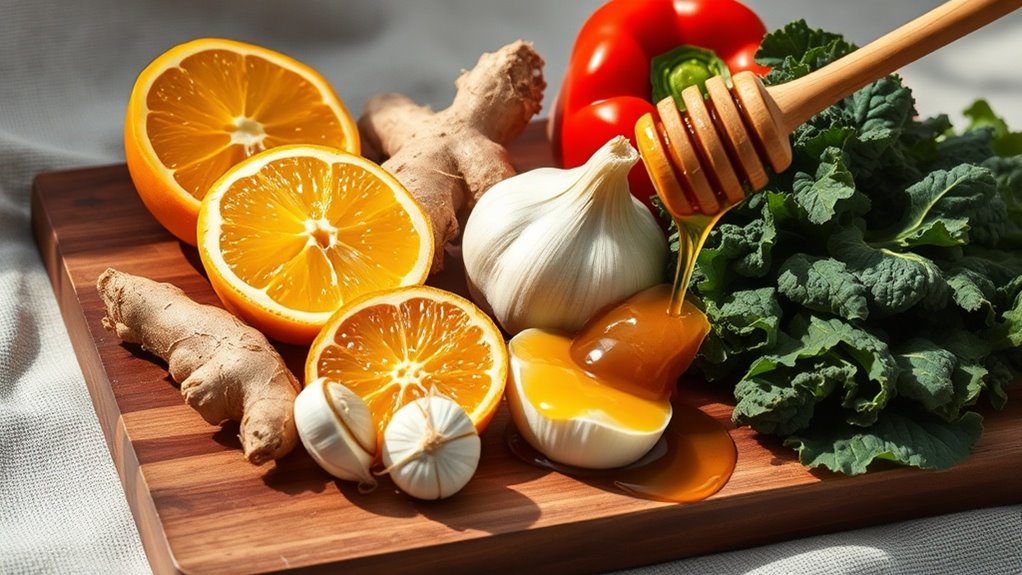
Your winter diet likely creates a nutritional environment that compromises oral tissue integrity and accelerates canker sore formation. Seasonal deficiencies in folic acid, iron, vitamin B-12, vitamin D, and zinc weaken your mucosal barrier while holiday foods containing acids, sugars, and inflammatory compounds directly irritate vulnerable oral tissues. Citrus fruits and other acidic foods common in winter meals can trigger sensitivity reactions that lead to ulcer development. Strengthening your immune system through proper nutrition helps your body resist the conditions that allow canker sores to develop during the colder months.
Understanding these dietary triggers enables you to implement targeted nutritional interventions that maintain adequate micronutrient levels and minimize exposure to foods that compromise oral epithelial health.
Winter Vitamin Deficiency Risks
Reduced sunlight exposure during winter months triggers a cascade of vitamin deficiencies that directly compromise your oral mucosa’s integrity and healing capacity. Approximately 20% of the UK population enters winter with clinical vitamin D deficiency, weakening immune defense mechanisms in oral tissues.
Concurrent deficiencies in B vitamins (B12, folate, riboflavin, niacin), iron, and zinc impair DNA synthesis, tissue oxygenation, and mucosal repair processes. These nutritional gaps increase canker sore susceptibility, particularly when combined with seasonal dietary shifts toward refined carbohydrates and reduced fresh produce intake. Cold and dry air makes mouth tissues more sensitive and vulnerable to injury and infection, compounding the effects of nutritional deficiencies.
Evidence supports daily vitamin D supplementation and targeted multivitamin use containing B-complex, iron, and zinc to maintain oral mucosal resilience throughout winter.
Holiday Foods Irritate Mucosa
During festive periods, your dietary patterns shift dramatically toward foods that mechanically and chemically compromise oral mucosal integrity. Acidic items like citrus fruits, tomatoes, and carbonated beverages erode protective mucous membranes through direct chemical irritation.
Spicy seasonings and hot sauces create microtrauma in oral tissues, triggering ulceration. Salty snacks and crunchy nuts cause mechanical abrasion to vulnerable mucosa. Chocolate and dairy products may act as allergens, provoking immune-mediated mucosal breakdown.
Additionally, reduced intake of healing nutrients—folic acid, vitamin B-12, and iron—from displacement of balanced meals compromises tissue repair mechanisms, prolonging canker sore episodes during winter celebrations. Coffee consumption during holiday gatherings introduces salicylic acid, which further irritates existing canker sores and inflamed oral tissues.
Essential Nutrients for Healing
Specific micronutrient deficiencies create biochemical conditions that impair oral mucosal integrity and repair, making you considerably more vulnerable to canker sore development during winter months. Holiday dietary patterns frequently displace nutrient-dense foods with processed alternatives, exacerbating deficiencies in:
- Vitamin B12 (1,000 mcg daily reduces recurrence regardless of baseline status)
- Folate (essential for mucosal cell turnover and DNA synthesis)
- Iron (critical for tissue oxygenation and healing)
Alcohol consumption during celebrations further compromises B-vitamin absorption. Zinc and vitamin C supplementation accelerates wound repair and supports immune function. Clinical evidence demonstrates targeted supplementation—not generic multivitamins—effectively prevents recurrent aphthous stomatitis.
Physical Trauma From Chapped Lips and Accidental Biting in Winter
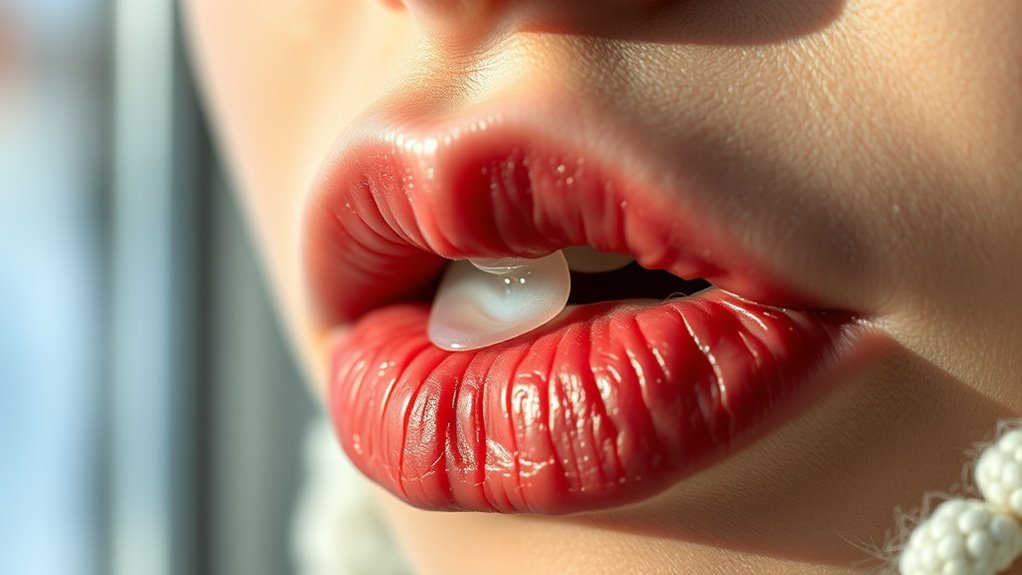
When cold temperatures compromise the structural integrity of lip tissue, the oral cavity becomes substantially more vulnerable to physical trauma that precipitates canker sore formation. You’re more likely to accidentally bite your cheeks or lips during winter activities, creating open wounds that develop into painful ulcers.
Winter sports and outdoor play increase injury risk, particularly in children. Chapped lips lose their protective barrier function, allowing bacterial invasion into traumatized tissue. Harder, frozen winter foods compound biting incidents.
When physical trauma occurs on already-compromised tissue from chapping, you’ve created ideal conditions for canker sore development and delayed healing. Applying petroleum jelly twice daily to chapped lips can help restore the protective moisture barrier and reduce the likelihood of tissue cracking that leads to oral trauma.
Seasonal Stress and Hormonal Shifts That Spark Canker Sore Outbreaks
Physical trauma represents only one pathway to winter canker sore development—your body’s internal stress responses and hormonal fluctuations create equally significant vulnerability during cold months. Reduced sunlight exposure disrupts endocrine rhythms, elevating cortisol levels that suppress mucosal immunity. Psychological stress from seasonal pressures triggers inflammatory cytokine dysregulation, directly precipitating ulcer formation.
Winter-specific hormonal vulnerabilities include:
- Cortisol elevation from environmental stressors impairing mucosal barrier function
- Melatonin disruption affecting immune regulation and tissue repair
- Menstrual cycle interactions amplifying female susceptibility during specific phases
Stress-induced immune dysregulation combined with hormonal imbalances creates conditions favoring recurrent aphthous stomatitis throughout winter months.
Understanding the Difference: Cold Sores vs. Canker Sores in Winter
Winter months bring increased oral lesion complaints, yet many patients incorrectly identify their condition—a diagnostic error that delays appropriate treatment and prevention strategies.
Cold sores, caused by HSV-1, appear externally on lips and remain contagious throughout their cycle. Canker sores develop internally on oral mucosa and aren’t viral or transmissible.
Both conditions escalate during winter: cold sores reactivate through temperature fluctuations, compromised skin barriers, and reduced immunity, while canker sores emerge from decreased saliva production, tissue dehydration, and minor trauma in dry environments.
Accurate differentiation enables targeted intervention—antiviral protocols for HSV-1 versus protective oral hygiene measures for aphthous ulcers.