Why Do My Lips Peel More at Night in Winter.
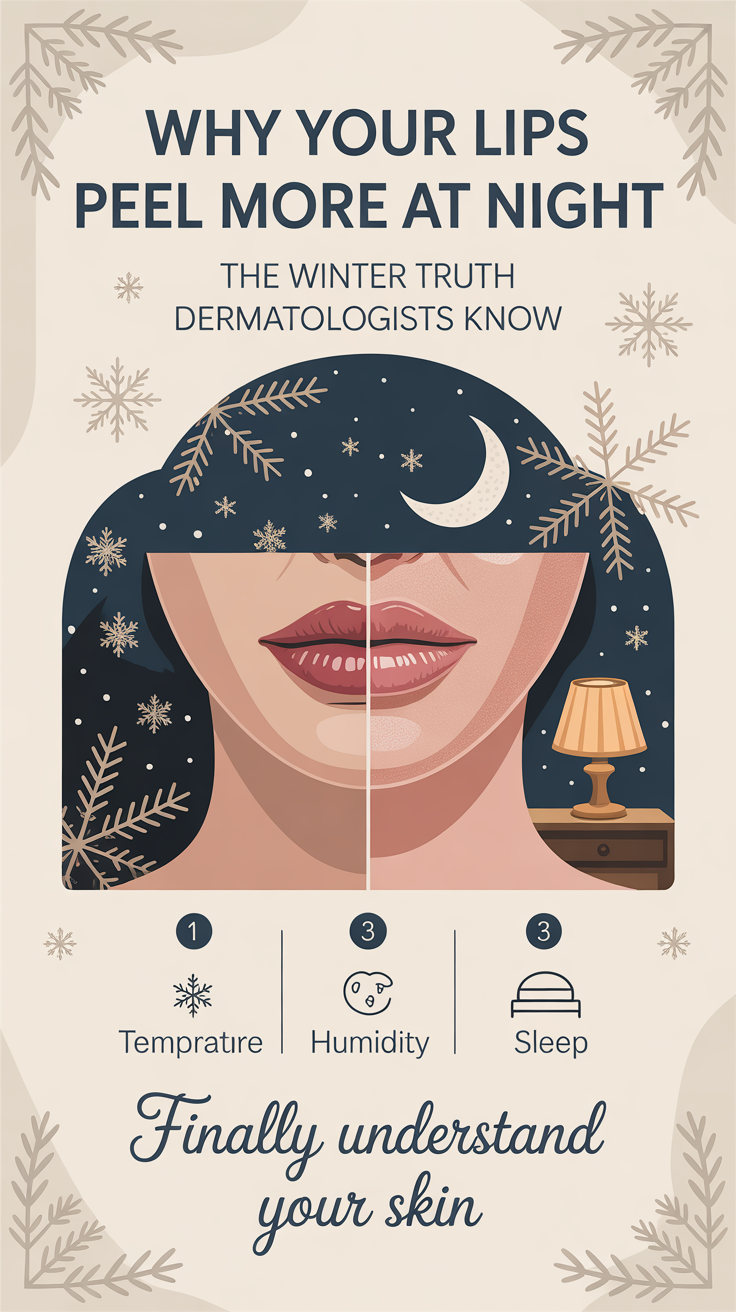
While your body’s working hard to repair itself during sleep, your lips are actually fighting a losing battle against winter’s harsh conditions. You’ve probably noticed that peeling intensifies overnight, and there’s solid clinical evidence explaining why this happens. The combination of your lips’ unique anatomical structure—lacking the protective sebaceous glands found elsewhere on your skin—and specific nighttime environmental factors creates a perfect storm for dehydration and cellular damage. Understanding these mechanisms will help you finally wake up with healthier lips.
Understanding Why Your Lips Are More Vulnerable During Winter Nights
Your lips lack the fundamental protective structures that shield the rest of your facial skin from winter’s harsh conditions. With only 3-5 cellular layers compared to your facial skin’s 15-20 layers, your lips are structurally disadvantaged.
They contain no sebaceous glands, sweat glands, or hair follicles—all critical components for moisture retention and barrier protection. Your vermillion border resembles mucous membrane tissue rather than standard skin, making it six times thinner than facial tissue.
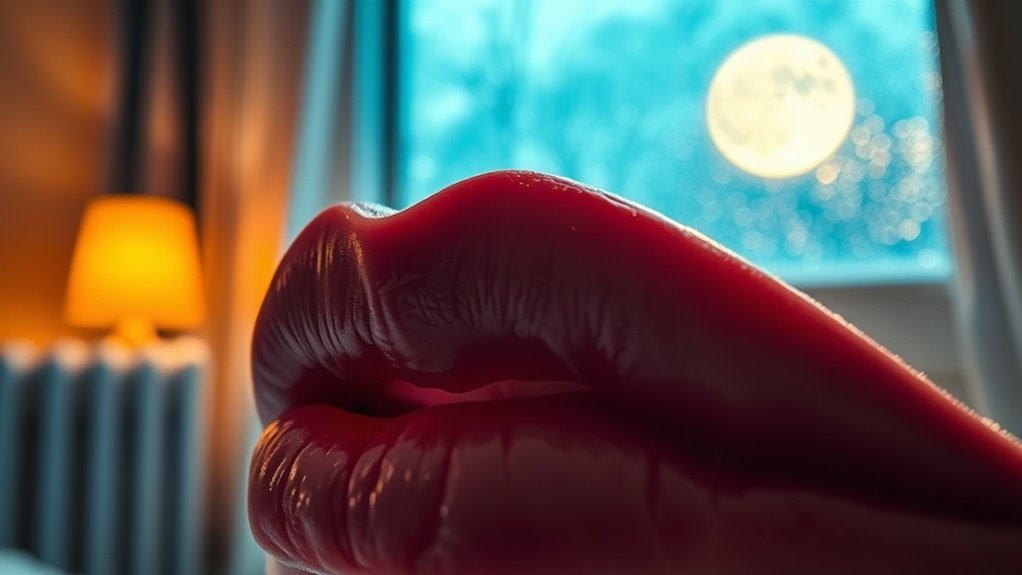
During winter nights, heated indoor air depletes moisture while reduced circulation slows healing. Exposure to cold weather further compromises your lips’ already vulnerable structure, accelerating moisture loss and triggering the peeling cycle. Maintaining optimal room humidity between 40-60% can help counteract the drying effects of indoor heating systems. Understanding these vulnerabilities is essential for implementing effective winter lip peeling solutions.
The Science Behind Overnight Lip Peeling in Cold Weather
The stratum corneum on your lips—measuring just 3-5 cellular layers compared to 15-20 on facial skin—loses moisture at an accelerated rate during winter nights due to multiple physiological factors converging simultaneously.
Your lips lack sebaceous glands, eliminating natural oil production that protects other facial areas. Transepidermal water loss increases markedly when indoor heating drops humidity below 30%, while your body’s decreased nighttime temperature reduces labial blood flow. The absence of sweat glands further impairs your lips’ ability to maintain proper hydration levels during extended sleep periods.
Saliva enzymes, particularly amylase, continue degrading your lip’s protective barrier throughout sleep. Additionally, your skin’s circadian rhythm slows ceramide and lipid production overnight, compromising barrier function when you’re unable to rehydrate or apply protective balm for 6-8 hours. This moisture depletion can lead to painful, cracked lips that benefit from natural chapped lip remedies using accessible ingredients like coconut oil or honey-based treatments.
Environmental and Behavioral Triggers Making Nighttime Worse
While physiological factors create baseline vulnerability for overnight lip peeling, specific environmental conditions and personal habits intensify moisture loss during winter nights.
Central heating systems drastically reduce indoor humidity, stripping moisture from your lips’ thin skin when repair mechanisms slow during sleep. Mouth breathing from nasal congestion creates continuous airflow that accelerates dehydration, while saliva enzymes break down protective skin proteins.
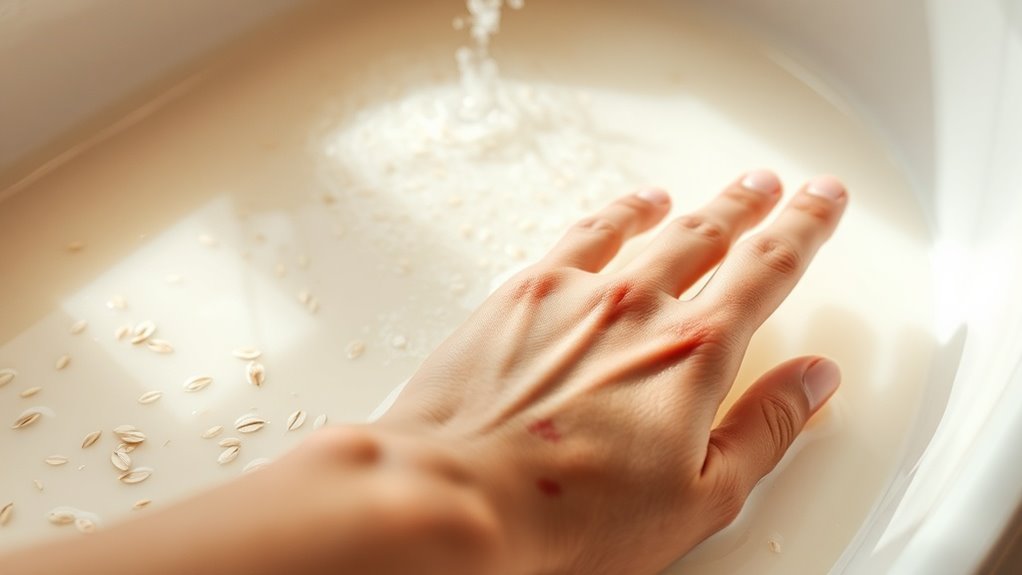
Pre-bedtime behaviors like lip licking, applying harsh products containing menthol or salicylic acid, or consuming salty foods remove natural oils and irritate delicate tissue. Inadequate hydration combined with certain medications further compromises overnight barrier recovery, worsening morning peeling. Antihistamines and antidepressants can particularly dry out lip tissue during sleep when natural moisture production decreases. Gentle exfoliation using natural lip scrub recipes with ingredients like brown sugar and honey can help remove dead skin buildup without further irritating compromised lip tissue.
Natural Overnight Remedies to Prevent Winter Lip Peeling
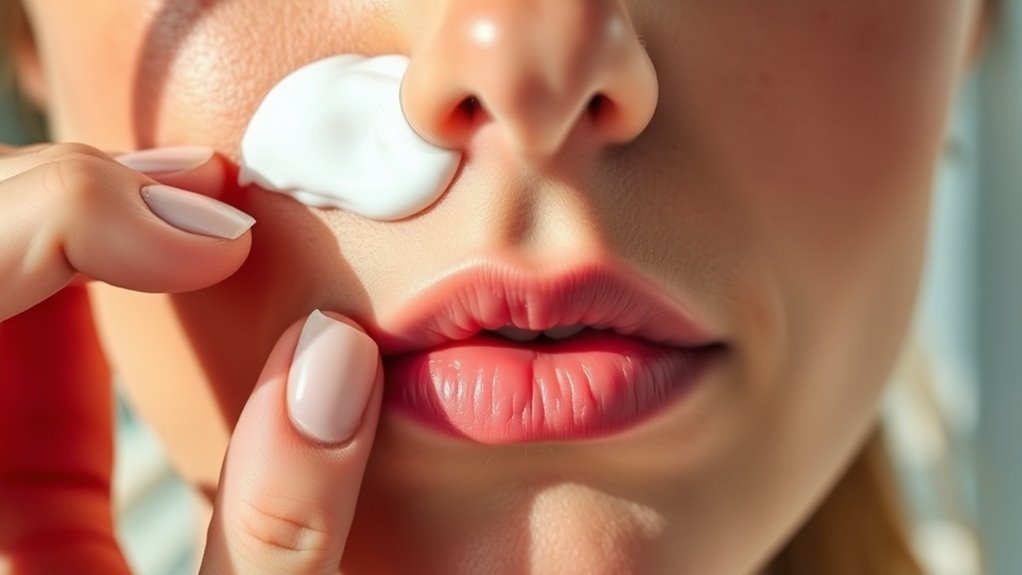
Because winter’s harsh conditions compromise your lip barrier function overnight, implementing targeted natural remedies before sleep directly counteracts the physiological moisture loss that peaks during nocturnal hours. You’ll achieve ideal results through strategic application of evidence-based treatments:
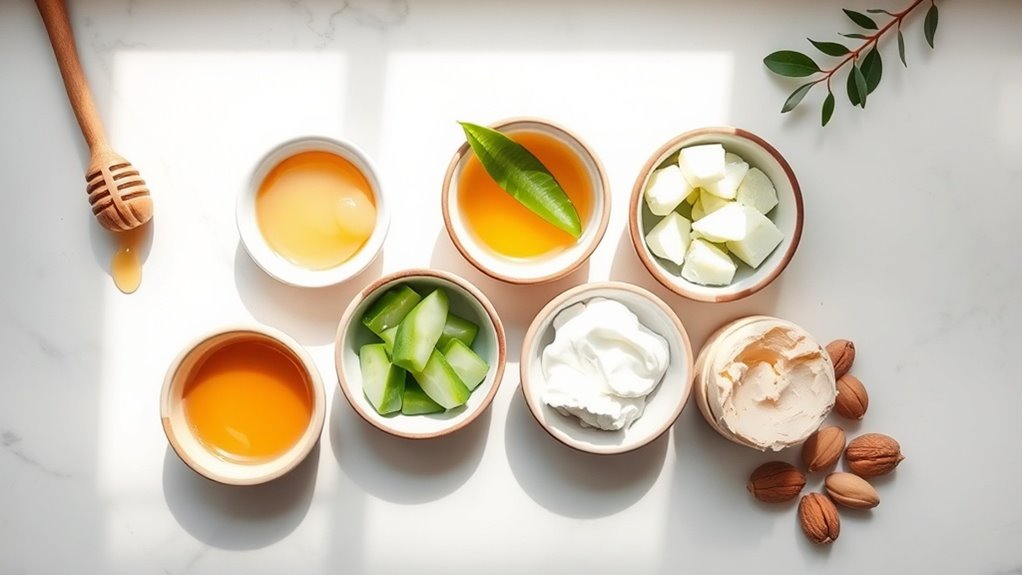
- Honey treatments function as humectants while providing antimicrobial protection for compromised tissue
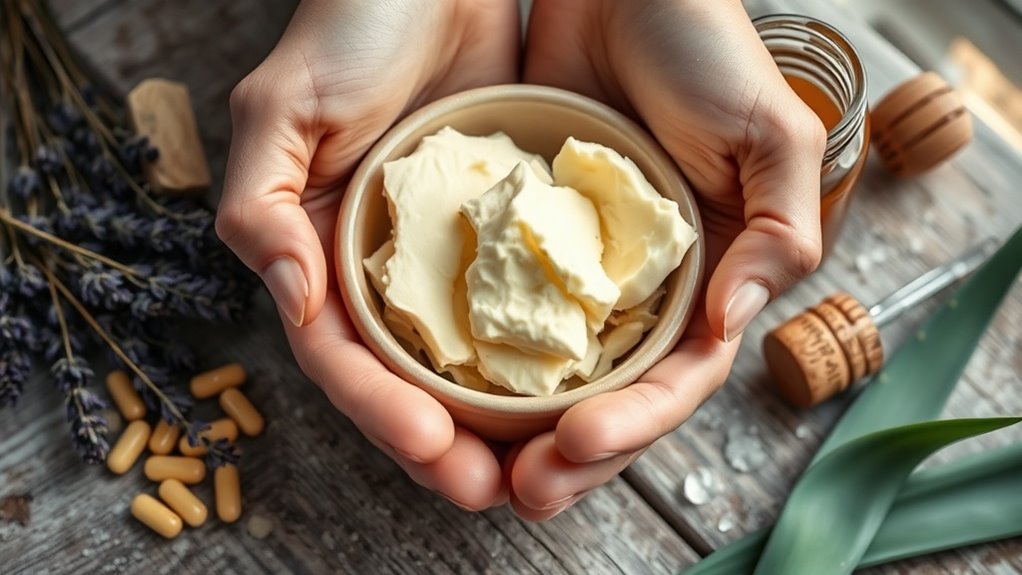
- Coconut oil or shea butter creates occlusive barriers preventing transepidermal water loss during 6-8 hour sleep cycles
- Aloe vera gel delivers anti-inflammatory compounds that support barrier restoration processes
Gentle exfoliation using honey-sugar scrubs 1-2 times weekly removes dead cells, maximizing overnight remedy absorption and morning smoothness. Consider creating a natural lip balm using nourishing ingredients specifically formulated to protect against cold weather damage throughout the night. Before applying overnight treatments, ensure you’re maintaining adequate hydration throughout the day, as dehydration remains a primary cause of lip dryness that intensifies during sleep.
Long-Term Strategies for Healthier Lips Through Winter Months
Sustaining lip health throughout winter requires extensive behavioral modifications that address both internal hydration status and external protective measures. You’ll need consistent daily water intake of at least eight glasses to maintain systemic hydration that directly affects lip moisture retention.
Incorporate essential fatty acids and vitamin E into your diet to strengthen skin barrier integrity. Apply ceramide-rich lip balms with SPF multiple times daily, especially before outdoor exposure.
Use humidifiers in your living spaces to counteract heating-induced dryness. Protect your lips with scarves outdoors, avoid licking or picking behaviors, and minimize caffeine consumption to preserve ideal hydration levels. Consider professional lip exfoliation treatments to remove dead skin buildup and enhance the absorption of hydrating products.