
You’ve likely never considered that cold temperatures actually reduce mesenteric blood flow to your gastrointestinal tract by up to 30%, directly impairing your digestive motility and enzyme function. This physiological response, combined with documented seasonal shifts in gut microbiome composition during winter months, creates a perfect environment for dyspepsia and functional bowel disorders. Understanding the specific mechanisms behind your winter digestive complaints will help you distinguish between normal cold-weather responses and symptoms requiring medical intervention.
Cold Weather’s Direct Impact on Your Digestive System
When ambient temperatures drop, your body initiates vasoconstriction—a protective mechanism that narrows peripheral blood vessels to preserve core heat. This physiological response diverts blood from your digestive organs, compromising enzyme secretion and nutrient absorption.
Consequently, you’ll experience decreased gastric motility, resulting in constipation, bloating, and cramping. The reduced circulation weakens stomach muscle contractions, prolonging food transit time and increasing indigestion risk. Your metabolic rate simultaneously declines, further impairing enzymatic breakdown of food. Rapid temperature changes can trigger these circulatory disruptions, intensifying abdominal discomfort and digestive irregularities.
These cascading effects create a diagnostic pattern of winter-specific gastrointestinal dysfunction. Understanding this mechanism informs targeted winter stomach upset remedies addressing circulation, motility, and enzymatic efficiency deficits. Incorporating warming ginger tea at the first signs of discomfort may help support natural digestive processes by promoting internal warmth and circulation.
Winter Diet Changes That Trigger Stomach Upset
As temperatures decline, your dietary patterns undergo significant compositional shifts that directly compromise gastrointestinal function. You’ll consume increased quantities of high-fat, high-sugar comfort foods that delay gastric emptying and precipitate acid reflux.
Processed foods dominate winter intake, reducing fiber consumption and disrupting colonic motility, thereby increasing constipation incidence. Elevated alcohol consumption during festive periods compounds these effects, promoting bloating and inflammatory responses.
Spicy foods and caffeinated beverages stimulate excessive gastric acid secretion, aggravating existing gastritis or reflux conditions. Irregular eating schedules and portion excess overwhelm digestive enzymatic capacity, manifesting as bloating, dyspepsia, and abdominal distension.
Reduced fresh produce availability further compromises microbiome diversity and intestinal barrier integrity. This reduction in probiotic-rich foods diminishes beneficial gut bacteria populations essential for optimal digestive function. The shift toward heavier, richer foods during winter months increases digestive burden and slows overall metabolic processing.
How Stress and Seasonal Mood Shifts Affect Your Gut
Beyond dietary modifications, psychological stressors and seasonal mood disturbances exert profound physiological effects on gastrointestinal function through the bidirectional gut-brain axis.
Winter-associated Seasonal Affective Disorder elevates cortisol levels, disrupting gut motility and microbiota composition while increasing permeability. You’ll experience altered gastric emptying, irregular bowel movements, and heightened visceral hypersensitivity.
Reduced sunlight diminishes serotonin synthesis, compromising both mood regulation and intestinal transit. Stress-induced dysbiosis reduces beneficial bacterial diversity, triggering inflammation and IBS-like symptoms including bloating, cramping, and diarrhea.
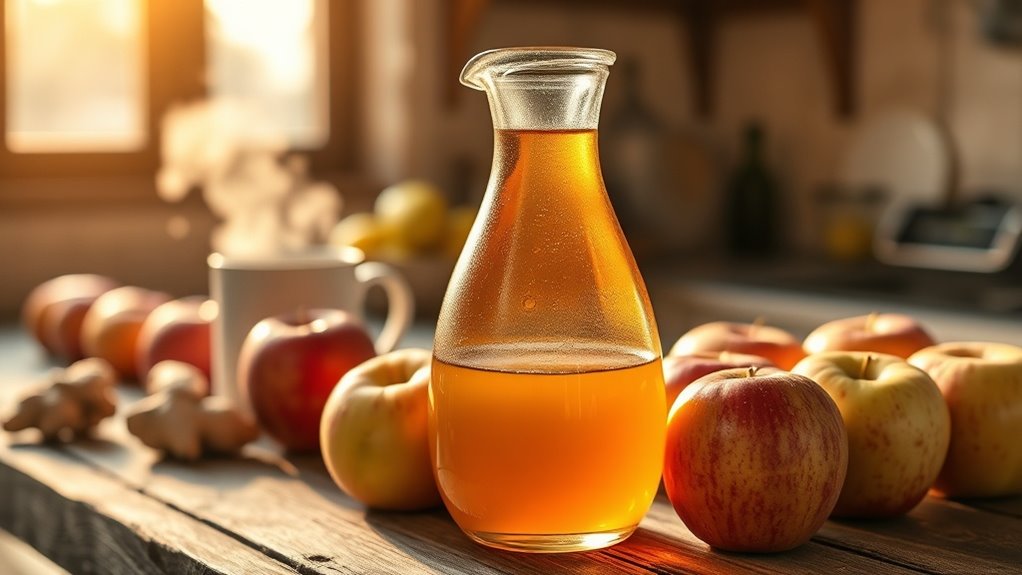
Circadian rhythm disruptions further compromise gut-brain signaling. Your anxiety may increase gastric acid secretion, causing reflux and indigestion during these darker months. Incorporating fermented foods like sauerkraut, kimchi, and yogurt can help replenish beneficial gut bacteria and support neurotransmitter production during winter. Some individuals find relief through diluted ACV morning tonics consumed 20-30 minutes before meals to support comfortable digestion during seasonal dietary changes.
The Connection Between Winter Infections and Digestive Problems
Winter’s colder months correlate with a significant surge in viral gastrointestinal infections, directly contributing to increased reports of stomach upset and digestive distress. Norovirus infections increase 340% during winter, with 19–21 million cases annually occurring November through April.
Low temperatures and reduced humidity enhance viral stability and transmission, particularly indoors where crowding facilitates contagion. You’re susceptible to acute gastroenteritis presenting with vomiting, diarrhea, and abdominal cramping.
Hospitalizations spike during these months, reflecting widespread viral gastroenteritis outbreaks. The economic burden is substantial, with norovirus accounting for $2 billion annually in lost productivity and healthcare expenses. Cold exposure may compromise your immune defenses while indoor confinement increases pathogen exposure through contaminated surfaces and close contact, amplifying your infection risk substantially. Strengthening your immune system naturally through proper nutrition can help reduce susceptibility to winter viral infections affecting your digestive tract.
Reduced Activity Levels and Slower Digestion in Cold Months
Cold temperatures directly suppress your body’s metabolic rate, diminishing both energy expenditure and the functional efficiency of digestive enzymes critical for nutrient breakdown.
Winter’s reduced physical activity further compounds this issue—decreased movement impairs intestinal motility, precipitating constipation and delayed gastric emptying. Your sedentary indoor behavior correlates with metabolic slowdown and overeating patterns that exacerbate digestive discomfort.
Cold stress elevates cortisol levels, inhibiting enzymatic function while altering gastric secretion timing. Without regular exercise to stimulate intestinal muscle contractions, you’ll experience bloating, reflux, and sluggish bowel movements. Reduced water intake during winter months further compromises your digestive enzymes’ ability to effectively break down food particles. Maintaining consistent physical activity remains essential for preserving gut motility during colder months.
Natural Remedies to Soothe Winter Stomach Discomfort
When digestive discomfort intensifies during colder months, herbal interventions provide evidence-based symptomatic relief with minimal adverse effects. Chamomile tea’s anti-inflammatory properties reduce intestinal tract inflammation, alleviating cramping and pain.
Peppermint’s menthol content functions as a natural muscle relaxant, effectively managing intestinal spasms and nausea. Ginger demonstrates proven anti-inflammatory action, accelerating gastric motility while reducing gas accumulation.
You’ll achieve ideal results by maintaining adequate hydration—water flushes toxins and prevents constipation exacerbated by winter’s dry conditions. Apply localized heat to relax abdominal musculature and mitigate cramping.
Implement dietary modifications emphasizing the BRAT protocol for acute symptoms, while avoiding gastric irritants including greasy and spicy foods.