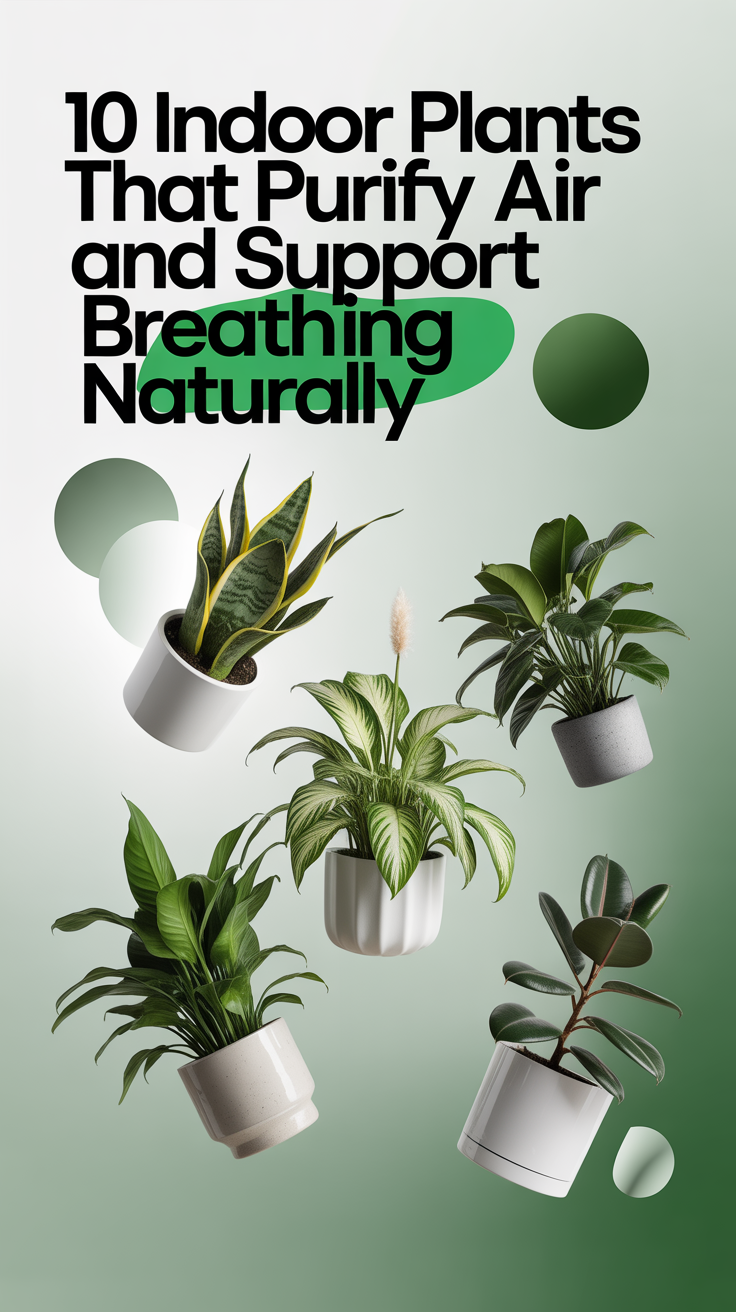
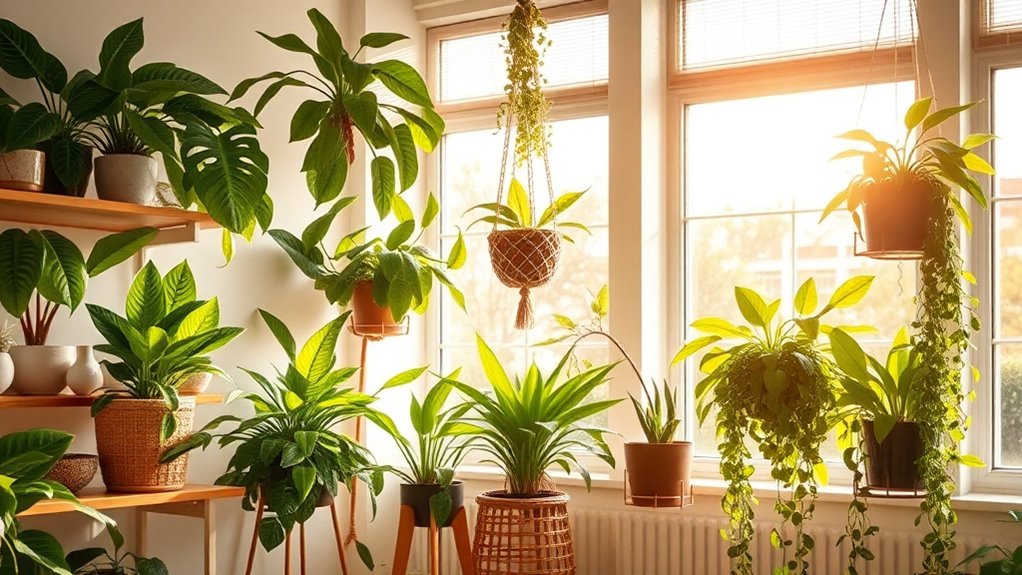
Struggling with stale indoor air and wondering if plants really make a difference? Yes—certain houseplants like snake plants and spider plants may help filter common indoor pollutants naturally through their leaves and roots. These ten varieties can support cleaner air in your home without expensive purifiers, and they’re surprisingly low-maintenance. Most work continuously to absorb toxins while releasing fresh oxygen, making them perfect for bedrooms and living spaces. Here’s what actually delivers results.
Snake Plant: The Oxygen-Producing Powerhouse for Bedrooms
Place Snake Plants in Your Bedroom for Nighttime Oxygen
Snake plants may help improve air quality while you sleep by releasing oxygen at night instead of carbon dioxide like most houseplants. This unique process could support better breathing conditions in enclosed bedroom spaces throughout the nighttime hours.
The plant uses a special metabolic process called CAM that allows it to absorb carbon dioxide and produce oxygen during darkness. It may also help filter common indoor air pollutants like formaldehyde and benzene from your sleeping environment.
Snake plants are among several air-purifying species validated by NASA’s Clean Air Study for their ability to naturally filter harmful toxins from indoor environments.
How to use snake plants in bedrooms:
• Place 1-2 medium-sized snake plants (6-8 inches tall) per 100 square feet of bedroom space
• Position plants on nightstands, dressers, or floor corners where they’ll get indirect light
• Water every 2-3 weeks, allowing soil to dry completely between waterings
• Keep away from direct sunlight and cold drafts
• Wipe leaves monthly with a damp cloth to maximize air-filtering capacity
Snake plants thrive on neglect and work best when slightly under-watered rather than over-watered.
Spider Plant: Easy-Care Champion for Formaldehyde Removal
Try Spider Plants to Remove Formaldehyde from Your Home
Spider plants may help absorb formaldehyde from indoor air, especially in rooms with pressed-wood furniture, new carpets, or fresh paint. Studies suggest these plants could remove up to 95% of formaldehyde within 24 hours in enclosed spaces.
Spider plants naturally filter air through their leaves, which can trap and break down formaldehyde molecules floating in your home environment.
How to use spider plants for cleaner air:
• Place 1-2 mature spider plants in rooms with new furniture or recent renovations
• Position near windows or areas with indirect light for best growth
• Water once weekly or when soil feels dry to the touch
• Let the plant produce “baby” spider plants on stems to create more filtering power
• Keep plants healthy by trimming brown tips as needed
Spider plants tolerate low light and occasional missed waterings, making them beginner-friendly for busy households. Consider pairing spider plants with other chemical-free alternatives like snake plants or activated charcoal bags for a comprehensive natural approach to improving your indoor air quality during heating season.
Peace Lily: Beautiful Blooms That Filter Multiple Toxins
Spathiphyllum wallisii, commonly known as the peace lily, demonstrates remarkable phytoremediation capabilities by removing benzene, formaldehyde, trichloroethylene, xylene, toluene, and ammonia from indoor environments through both foliar absorption and rhizospheric degradation. NASA’s Clean Air Study verified that this member of the Araceae family can eliminate up to 60% of airborne volatile organic compounds within 24 hours under controlled conditions.
You’ll need to maintain consistently moist soil and provide indirect light while keeping the plant away from pets, as it contains calcium oxalate crystals that are toxic when ingested. For individuals experiencing seasonal skin irritation, peace lilies can help maintain optimal indoor humidity levels while filtering airborne irritants that may exacerbate dry, sensitive skin conditions during winter months.
Toxins Peace Lilies Remove
Keep Peace Lilies to Filter Indoor Air Toxins
Peace lilies may help remove up to five common indoor air pollutants from your home, including benzene, formaldehyde, and ammonia. These plants can work continuously to filter toxins released by household products.
The plant’s leaves and root system work together to absorb harmful chemicals floating in your air, while helpful bacteria in the soil break down these toxins naturally.
How to use peace lilies for cleaner air:
• Place one medium-sized plant per 100 square feet of living space
• Position near sources of VOCs like new furniture, painted walls, or cleaning supply areas
• Water weekly and keep soil slightly moist for optimal air-filtering activity
• Wipe leaves monthly with a damp cloth to maximize their absorption surface
• Keep in low to moderate light—they don’t need bright sun to work
Remember that peace lilies are toxic to pets if ingested, so place them out of reach of curious cats and dogs.
Care and Watering Needs
Water When the Top Inch Feels Dry
Spathiphyllum wallisii (peace lily) thrives with consistent moisture and may help purify your indoor air when properly hydrated. Water when the top inch of soil feels dry to your finger—usually every 5-7 days in typical home conditions.
This plant naturally signals thirst by slightly drooping its leaves, then perks back up within hours of watering. It can tolerate brief dry spells but won’t recover well from soggy, waterlogged roots.
How to water your peace lily:
• Check soil moisture by inserting your finger one inch deep
• Water thoroughly until liquid drains from the bottom holes
• Empty the drainage tray after 15 minutes to prevent root rot
• Use room-temperature water to avoid shocking the roots
• Adjust frequency based on season—less in winter, more in summer
Keep humidity around 50-60% by misting leaves weekly or using a pebble tray underneath the pot.
Provide Bright Indirect Light for Best Growth
Peace lilies can support healthy foliage and blooming when placed in medium to bright indirect light. They may tolerate lower light conditions but could produce fewer flowers and slower growth.
Direct sunlight might scorch the leaves, causing brown tips and yellow patches. These plants naturally grow under forest canopies, so filtered light mimics their native environment.
How to position your plant:
• Place 3-6 feet from an east or north-facing window
• Use sheer curtains to diffuse harsh afternoon sun
• Rotate the pot quarterly for even growth on all sides
• Watch for pale leaves (too much light) or leggy stems (too little)
A bathroom with a window can provide ideal humidity and light conditions for peace lilies.
Feed Monthly During Growing Season
Diluted balanced fertilizer may help maintain your peace lily’s air-purifying capacity and could support consistent blooming from spring through fall. Apply a 20-20-20 NPK formula once monthly during active growth periods.
Feeding provides essential nutrients that potting soil loses over time through regular watering. Peace lilies need minimal fertilization compared to other houseplants.
How to fertilize properly:
• Dilute liquid fertilizer to half the recommended package strength
• Apply only to moist soil—never dry roots
• Water the plant first, then add diluted fertilizer solution
• Skip feeding during winter months when growth naturally slows
• Flush soil with plain water every 2-3 months to prevent salt buildup
Yellow leaf edges might indicate over-fertilization—reduce frequency if this occurs.
Rubber Plant: Large Leaves for Maximum Air Filtration
Ficus elastica demonstrates exceptional formaldehyde filtration capacity, with its broad, waxy foliage providing extensive surface area for gaseous pollutant absorption through stomatal uptake and microbial degradation in the rhizosphere.
You’ll find this species requires minimal intervention, thriving in moderate indirect light with infrequent watering every 7-10 days once the top soil layer desiccates. The plant’s tolerance to neglect and low-light conditions makes it particularly suitable for office environments and spaces with suboptimal growing parameters. Similar to how indoor plants benefit respiratory wellness, maintaining 40-50% indoor humidity levels through strategic humidifier placement can support both plant health and occupant comfort during winter months.
Toxin Removal Capabilities
Keep Rubber Plants to Clean Indoor Air Naturally
Rubber plants may help remove harmful chemicals like formaldehyde, benzene, and trichloroethylene from your home’s air. Their large, waxy leaves—up to 12 inches long—can absorb pollutants continuously throughout the day.
The thick leaf surface traps airborne toxins while tiny pores exchange gases with your indoor air. Natural bacteria living on the leaves also break down volatile chemicals into harmless compounds.
How to use rubber plants for cleaner air:
• Place one medium-sized plant (3-4 feet tall) per 100 square feet of living space
• Position near windows or high-traffic areas where air circulation is good
• Wipe leaves gently with a damp cloth weekly to maximize absorption
• Keep soil consistently moist but not waterlogged
• Ensure bright, indirect light for optimal plant health and air-cleaning function
Rubber plants work best when their leaves stay clean and dust-free, so regular wiping helps maintain their air-purifying power.
Low Maintenance Care Requirements
Water Only When Soil Dries Out Completely
The Rubber Plant needs watering just once every 7-10 days, making it one of the easiest tropical plants to maintain indoors. This simple approach may help prevent root rot while supporting healthy growth with minimal effort on your part.
This plant stores moisture in its thick leaves and stems, so it can handle periods without water better than most houseplants. Checking soil dryness before watering helps support the plant’s natural rhythm.
How to water properly:
• Stick your finger 2-3 inches into the soil to test moisture
• Water only when soil feels completely dry at that depth
• Pour water until it drains from the bottom holes
• Empty the drainage tray after 15 minutes
• Adjust frequency based on your home’s humidity—drier homes may need weekly watering
Humidity levels in your space will determine exact timing, so treat the 7-10 day range as a starting guideline rather than a strict schedule.
Place in Low-Light Areas for Easy Care
Rubber Plants can thrive in low-light conditions, tolerating spaces with just 50-100 foot-candles of brightness. This flexibility might make it perfect for rooms without direct sunlight access, like offices or north-facing areas.
Unlike many tropical plants that demand bright conditions, this species adapted to grow under forest canopies. Its thick leaves can capture and use limited light efficiently.
Where to position your plant:
• Choose spots away from direct sun exposure
• Try corners, hallways, or rooms with smaller windows
• Avoid placing directly against cold windows in winter
• Rotate the pot quarterly to support even growth
• Watch for leaf drop if light becomes too dim
The plant will grow more slowly in lower light but can remain healthy for years without needing a sunnier location.
Feed Just Four Times Per Year
A diluted balanced fertilizer applied quarterly may support steady growth without the hassle of frequent feeding schedules. This minimal approach could help nourish your Rubber Plant during its active growing season while reducing maintenance time.
The plant grows slowly compared to other houseplants and doesn’t demand heavy nutrients. Overfeeding can actually cause more problems than underfeeding for this species.
Simple fertilizing routine:
• Use a balanced NPK formula (like 10-10-10) at half strength
• Apply once at the start of each season during spring and summer
• Water the plant first, then add diluted fertilizer
• Skip fertilizing completely from fall through winter
• Resume feeding when you notice new leaf growth in spring
Watch for dark green, glossy leaves as a sign your plant is getting adequate nutrition without overdoing it.
Enjoy Natural Pest Resistance
Rubber Plants show robust resistance to common indoor pests, which could mean fewer headaches dealing with infestations. This natural hardiness may help reduce the need for pest control measures that other tropical houseplants often require.
The plant’s thick, waxy leaves create a barrier that many insects find difficult to penetrate. This protective coating helps discourage spider mites, aphids, and other common pests.
Basic pest prevention steps:
• Wipe leaves with a damp cloth monthly to remove dust
• Check undersides of leaves during cleaning
• Isolate your plant if you spot any unusual marks
• Maintain good air circulation around the foliage
• Avoid overwatering, which can attract fungus gnats
Most Rubber Plant owners go years without encountering any pest issues when basic care guidelines are followed.
Pothos: Low-Maintenance Vine That Tackles Indoor Pollutants
Keep Pothos to Help Remove Indoor Air Pollutants Naturally
Pothos (Epipremnum aureum) may help remove formaldehyde, benzene, and xylene from your indoor air. NASA’s Clean Air Study found this tropical vine can support cleaner air quality in your home while requiring minimal effort to maintain.
It works because the plant’s leaves and roots can absorb airborne chemicals and convert them into nutrients through natural processes.
Place pothos around your home using these steps:
• Position one plant per 100 square feet of living space for best results
• Choose low-light areas like bathrooms, bedrooms, or offices where it thrives
• Water only when the top inch of soil feels dry to the touch
• Trim stem cuttings and place in water to propagate new plants for free
• Wipe leaves monthly to keep pores clear for optimal air filtration
Start with stem cuttings in water to expand your air purification coverage without buying more plants.
Boston Fern: Natural Humidifier and Air Purifier Combined
Keep Your Boston Fern Moist for Natural Air Cleaning
Boston ferns may help remove indoor air pollutants* while releasing moisture into dry rooms when you maintain the right *growing conditions. This dual action could support fresher, more comfortable air in your home.
Why it works: These ferns naturally absorb airborne toxins through their leaves during photosynthesis and release water vapor as they grow, acting like a gentle, living humidifier.
How to use it:
• Keep the soil consistently moist but not soggy—aim for damp like a wrung-out sponge
• Place your fern in a spot with bright, indirect light (not direct sun)
• Water when the top inch of soil feels dry to the touch
• Mist the fronds 2-3 times weekly to boost humidity benefits
• Check soil moisture every few days, especially in heated or air-conditioned rooms
Tip: Set your fern on a pebble tray with water to create extra humidity around the plant itself.
Aloe Vera: Healing Plant That Removes Benzene and Formaldehyde
Try Aloe Vera to Clean Indoor Air and Heal Minor Burns
Aloe vera plants can help remove benzene and formaldehyde from your indoor air while giving you fresh gel for cuts, burns, and skin irritation. This low-maintenance succulent may reduce common household toxins found in cleaning products and furniture.
The plant absorbs air pollutants through its thick leaves during normal gas exchange. The clear gel inside contains natural compounds that may soothe skin and support healing when applied topically.
HOW TO USE IT:
• Place your aloe plant in bright, indirect sunlight near a window
• Water only when the soil feels completely dry to the touch
• Keep one plant per 100 square feet for air-cleaning benefits
• Snap off a lower leaf and apply the fresh gel directly to minor burns or cuts
• Use the gel as needed for skin relief
Store cut aloe leaves in the fridge for up to one week to keep the gel fresh and cool for burns.
English Ivy: Versatile Climber That Reduces Airborne Mold
Place English Ivy in Your Bathroom to Clear Airborne Mold
English ivy may help reduce airborne mold particles by up to 78% within twelve hours of placement. This hardy plant thrives in humid spaces and actively filters the air while it grows.
The plant’s leaves absorb mold spores from the air as part of their natural metabolic process. Ivy works especially well in moisture-rich environments where mold typically flourishes.
How to position ivy for mold reduction:
• Place potted ivy in bathrooms or rooms with 60%+ humidity levels
• Keep the plant in bright, indirect light near a window
• Maintain room temperature between 15-20°C for optimal air filtering
• Water when the top inch of soil feels dry to touch
• Rotate the pot weekly so all sides receive equal light exposure
Position multiple small ivy plants around the room rather than one large plant for better air coverage throughout the space.
Bamboo Palm: Pet-Safe Option for Humid Air Purification
Try Bamboo Palm to Purify Air and Add Humidity Naturally
Bamboo palm (Chamaedorea seifrizii) may help remove formaldehyde, benzene, and trichloroethylene from your indoor air while staying completely safe for cats and dogs. This palm also releases moisture into dry rooms, which can support healthier humidity levels.
The plant works by absorbing airborne chemicals through its leaves and roots, then breaking them down naturally. As it breathes, it adds water vapor to your space—helpful during dry winter months.
How to care for it:
• Place in low to medium light (bright indirect works best)
• Water when the top inch of soil feels dry to touch
• Keep soil consistently moist but never waterlogged
• Expect it to grow 4-6 feet tall indoors over time
• Mist leaves weekly or use a humidifier nearby for best growth
This palm thrives in 50-60% humidity, so it does well in bathrooms or kitchens where moisture naturally collects.
Dracaena: Tall Statement Plant That Filters Trichloroethylene
Place a Dracaena Plant to Filter Indoor Air Toxins
Dracaena plants may help remove trichloroethylene and other chemical pollutants from your home’s air while adding dramatic vertical interest. These low-maintenance tropical plants can grow 4-10 feet tall indoors, giving you substantial air-cleaning benefits in living rooms, offices, or bedrooms.
Dracaena leaves contain natural compounds that can absorb airborne chemicals through their pores and convert them into harmless substances through their root system.
How to care for your dracaena:
• Place in a spot with bright, indirect light (avoid direct sun that can scorch leaves)
• Water when the top 1-2 inches of soil feel dry to touch
• Keep room temperature between 65-75°F for optimal growth
• Wipe leaves monthly with a damp cloth to maximize air filtration
• Fertilize once every 2-3 months during spring and summer
Test soil moisture with your finger before watering—dracaena prefers to dry out slightly between drinks.