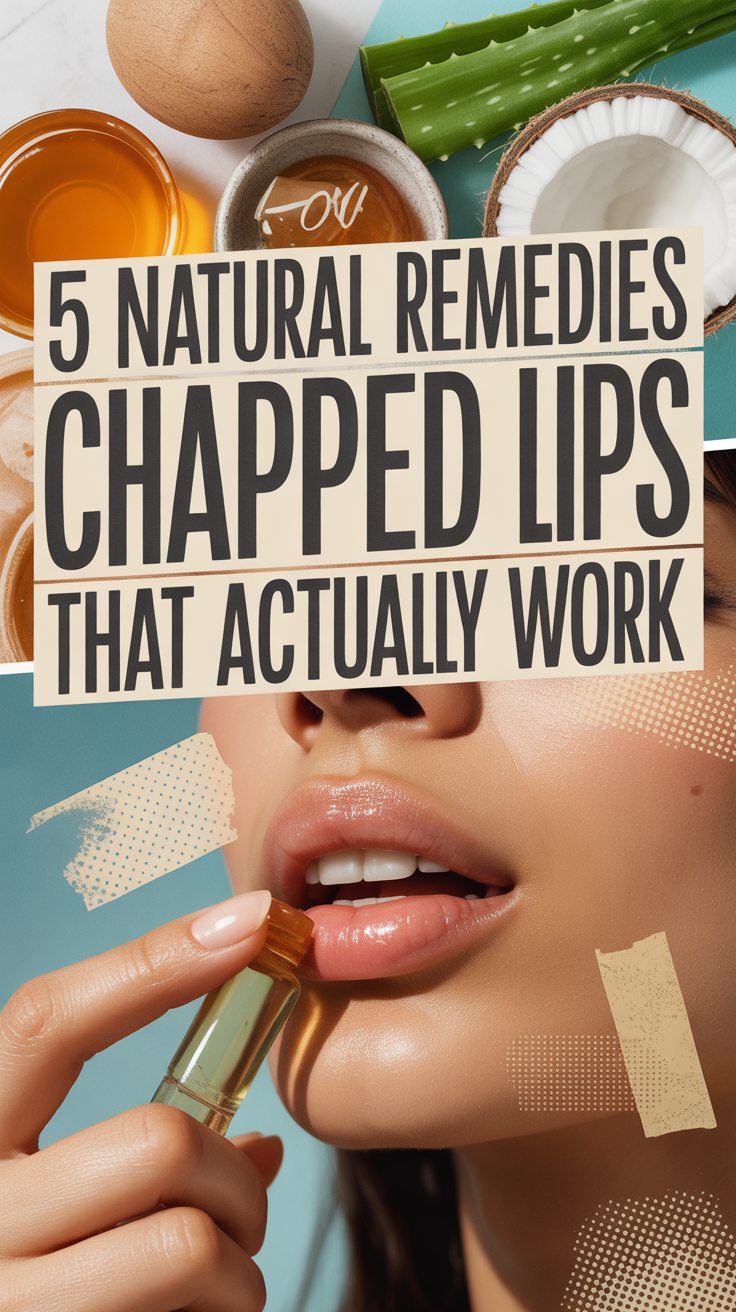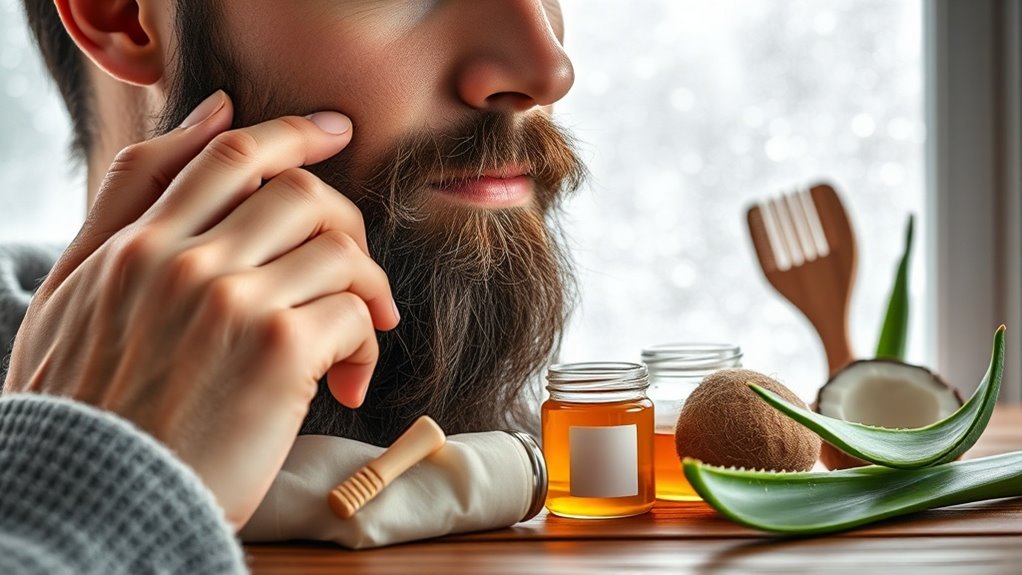
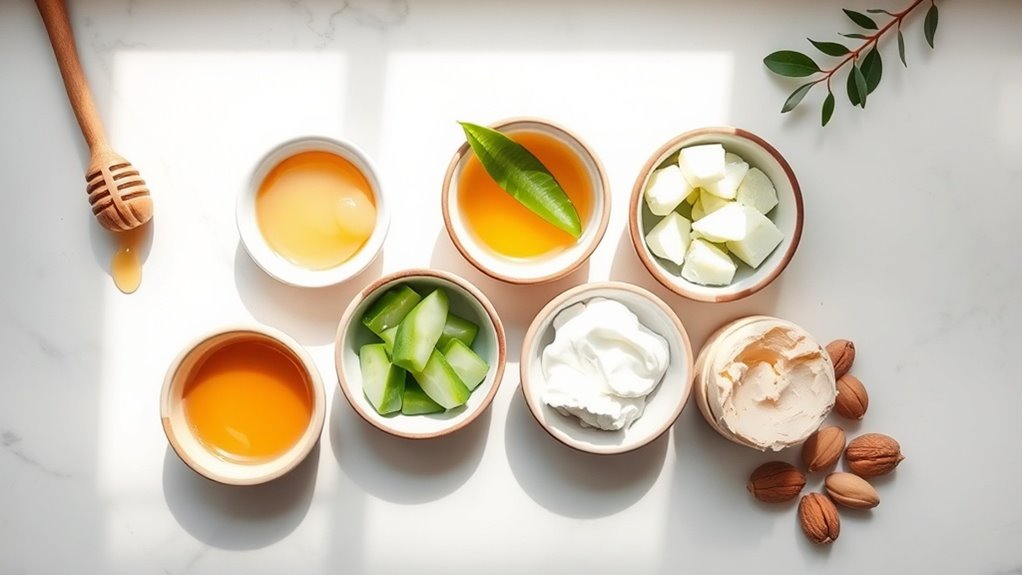
You’ve likely noticed that chapped lips don’t respond well to conventional lip balms loaded with synthetic ingredients. Research shows that natural remedies can provide superior therapeutic outcomes by addressing the underlying causes of lip tissue damage. If you’re experiencing persistent dryness, inflammation, or painful cracking, evidence-based botanical treatments may offer the relief you’re seeking. Here’s what clinical studies reveal about five natural compounds that demonstrate measurable efficacy for restoring lip health.
Coconut Oil Treatment for Instant Moisture Relief
Coconut oil’s medium-chain fatty acids penetrate the lip’s stratum corneum more effectively than petroleum-based products, providing immediate hydration while creating a semi-occlusive barrier that reduces transepidermal water loss. You’ll want to apply virgin coconut oil twice daily, though you should patch-test first if you’re prone to contact dermatitis.
Among natural chapped lip remedies, it’s particularly effective due to its lauric acid content, which offers mild antimicrobial properties. This makes coconut oil especially valuable during winter months when harsh weather conditions strip moisture from exposed skin areas like your lips. However, you shouldn’t rely solely on coconut oil for severe cases—persistent symptoms warrant professional evaluation to rule out angular cheilitis or nutritional deficiencies.
Honey-Based Lip Masks for Natural Healing
While coconut oil addresses surface-level hydration, honey offers complementary therapeutic properties through its hygroscopic nature and documented wound-healing compounds. You’ll benefit from raw honey’s antimicrobial enzymes and antioxidants, which support tissue repair in damaged lip epithelium.
Apply a thin layer of medical-grade or raw honey directly to affected areas for 10-15 minutes before removing with lukewarm water. You can combine honey with vitamin E oil in equal parts for enhanced barrier restoration. For additional soothing relief, consider pairing honey treatments with cucumber slice therapy, which provides cooling hydration to complement honey’s healing properties. However, you shouldn’t use honey if you’re allergic to bee products or pollen. Conduct a patch test on your inner wrist before facial application.
Aloe Vera Gel Application to Soothe Cracked Lips
Though both honey and aloe vera possess wound-healing properties, aloe’s polysaccharide content provides superior anti-inflammatory action for severely cracked lip tissue. You’ll need pure aloe vera gel—not commercial preparations with alcohol or fragrances.
| Application Method | Duration |
|——————-|———-|
| Direct gel application | 15-20 minutes |
| Overnight treatment | 6-8 hours |
| Pre-balm primer | 5 minutes (absorption) |
| Post-exfoliation soother | 10 minutes |
Apply a thin layer to affected areas twice daily. You should observe reduced inflammation within 48-72 hours. Refrigerated gel provides additional cooling relief for acute fissuring. For maximum absorption and comfort, apply 2-3 tablespoons of pure aloe gel every 4-6 hours to severely damaged areas.
Cucumber Slice Therapy for Hydration
Cucumber’s high water content (95-96%) and ascorbic acid concentration make it an effective topical hydration agent for dehydrated lip tissue. You’ll apply thin cucumber slices directly to your lips for 10-15 minutes daily. The cooling effect reduces inflammation while vitamin C supports collagen synthesis in damaged epithelial layers.
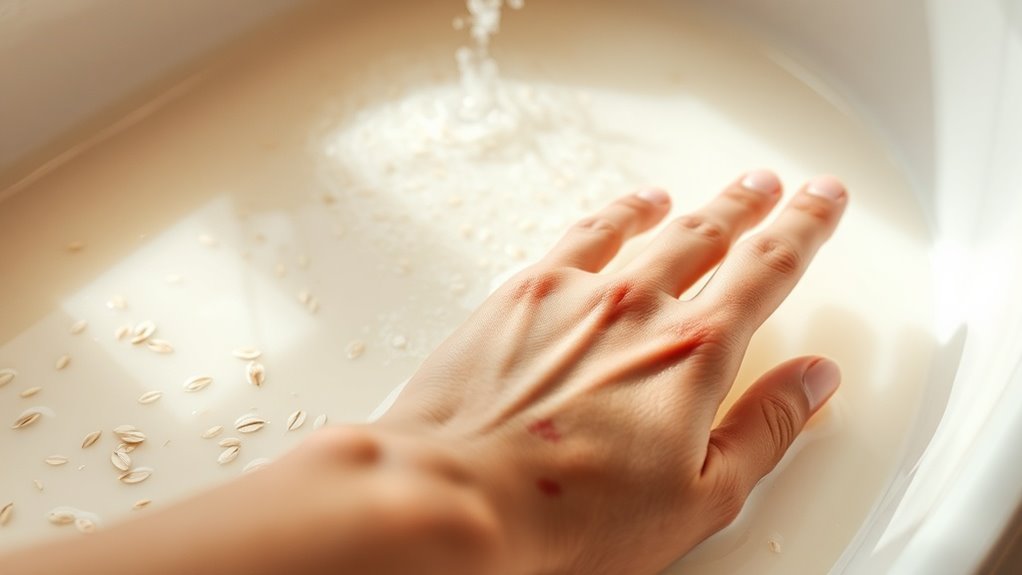
Research indicates cucumber’s silica content may enhance moisture retention. You should use fresh, organic cucumbers and refrigerate slices beforehand for enhanced therapeutic benefit. Pat your lips dry afterward and apply a sealing agent like petroleum jelly. However, you’ll need consistent application over several days before observing measurable improvement in lip texture. For additional winter skin concerns, consider complementary approaches like colloidal oatmeal soaks that support skin barrier repair throughout harsh weather months.
Green Tea Compress Remedies for Anti-Inflammatory Benefits
Green tea’s polyphenolic compounds, particularly epigallocatechin gallate (EGCG), demonstrate documented anti-inflammatory properties that’ll reduce lip tissue irritation when applied topically.
Application protocol:
-
Steep one green tea bag in hot water for 3-5 minutes
-
Cool the compress to room temperature before application
-
Apply the dampened tea bag directly to affected lip areas for 10 minutes
-
Repeat applications twice daily for optimal anti-inflammatory effects
-
Discontinue use if sensitivity develops
The catechins in green tea provide antioxidant protection while reducing erythema and swelling. You’ll notice decreased inflammation within 48-72 hours of consistent application. Similar to how turmeric’s anti-inflammatory properties support immune function when consumed internally, green tea’s topical application harnesses these compounds to soothe irritated lip tissue and accelerate healing.
Frequently Asked Questions
What Vitamin Deficiencies Cause Chronically Chapped Lips?
You’ll find chronically chapped lips often indicate deficiencies in B vitamins (particularly B2, B3, B6, B12), iron, or zinc. You should consult your healthcare provider for blood tests to confirm deficiencies before supplementing.
How Does Weather Affect Lip Moisture Retention?
Like a sponge left in the sun, your lips lose moisture when environmental humidity drops below 30%. Cold temperatures and wind increase transepidermal water loss, while UV radiation damages your lip’s protective barrier, compromising moisture retention capacity.
Can Certain Medications Make Lips More Prone to Chapping?
Yes, you’ll find certain medications reduce saliva production or cause dehydration, increasing chapping risk. Retinoids, antihistamines, diuretics, and acne medications commonly affect lip moisture. If you’re experiencing persistent dryness, consult your healthcare provider about potential pharmaceutical causes.
Should You Exfoliate Chapped Lips or Let Them Heal First?
You shouldn’t exfoliate severely chapped or cracked lips, as this’ll worsen inflammation and delay healing. Wait until acute symptoms subside, then gently exfoliate once healed. Instead, apply occlusive moisturizers and avoid irritants during the recovery phase.
How Long Does It Take for Severely Chapped Lips to Heal?
Severely chapped lips typically heal within 2-3 weeks with proper care. You’ll notice improvement in 3-5 days if you consistently apply occlusive moisturizers, avoid irritants, and stay hydrated. Persistent cases beyond three weeks warrant medical evaluation.