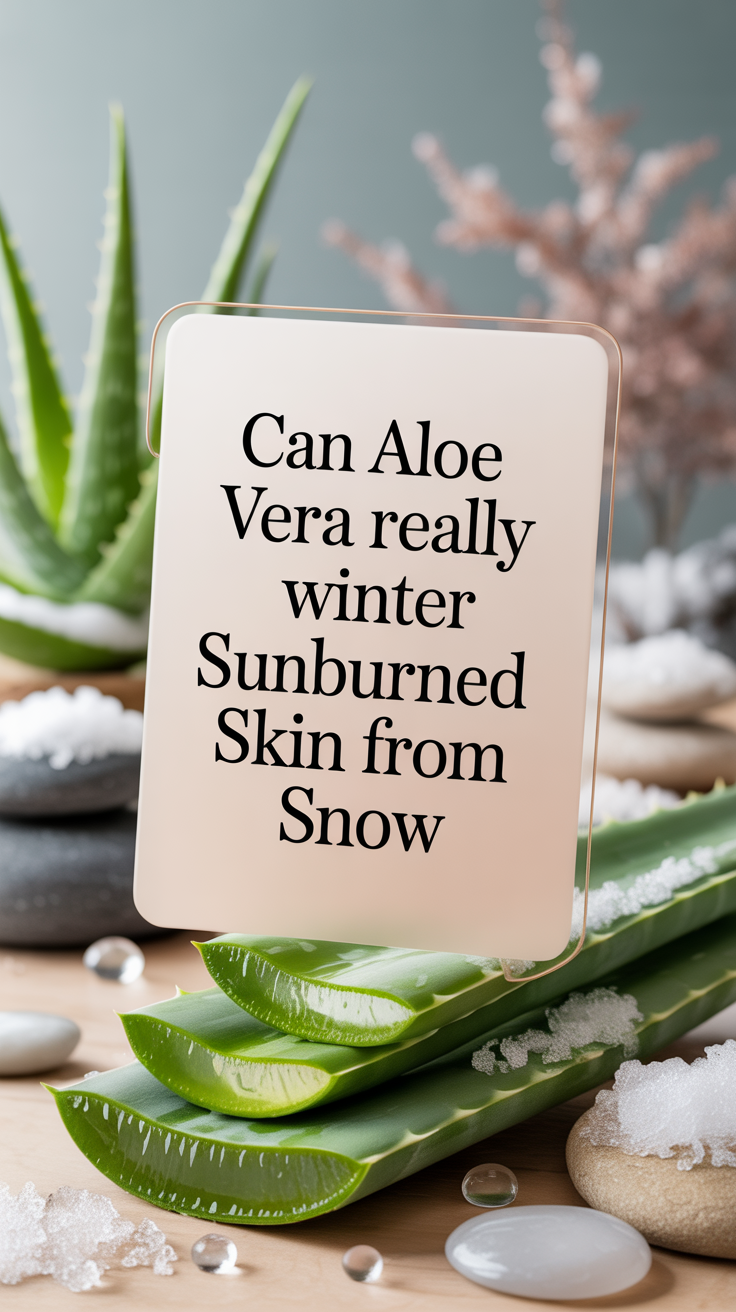
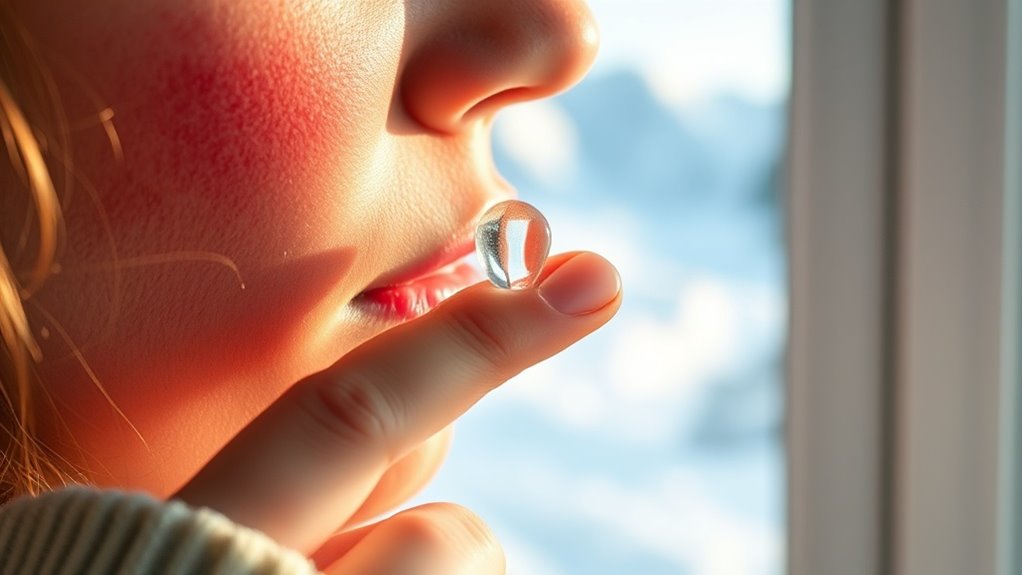
That tight, burning sensation across your cheeks after a day on the slopes? Winter sunburn from snow’s intense UV reflection is real—and uncomfortable. Yes—aloe vera may help soothe winter sunburned skin, with its cooling gel offering relief from redness and discomfort in as little as 15-20 minutes. This natural approach can support your skin’s recovery without harsh chemicals or expensive treatments. Here’s what the science says about aloe vera‘s ability to comfort sun-damaged skin this winter season.
Understanding Winter Sunburn From Snow Reflection and UV Exposure
Try Aloe Vera Gel for Soothing Snow Sunburn Relief
Aloe vera gel may help cool and hydrate skin burned by winter sun exposure, offering relief within 20-30 minutes of application. The gel’s natural properties can support your skin’s moisture retention for several hours after use.
Aloe contains compounds that may help draw moisture into sun-damaged skin layers. Its cooling sensation can provide temporary comfort to irritated areas affected by UV reflection from snow.
How to apply it:
• Cleanse the sunburned area gently with cool water and pat dry
• Apply a thin layer of pure aloe vera gel (100% if possible) to affected skin
• Massage lightly until absorbed, avoiding harsh rubbing
• Reapply 3-4 times throughout the day as needed
• Continue daily use until discomfort eases
Store your aloe gel in the refrigerator for an extra cooling effect that may enhance comfort, and always patch test first if you have sensitive skin or allergies. For optimal results, use 2-3 tablespoons of pure aloe gel every 4-6 hours to support the skin’s natural healing process.
The Science Behind Aloe Vera’s Healing Properties for Sun-Damaged Skin
Try Aloe Vera Gel to Soothe Sunburned Skin
Aloe vera gel may help calm red, irritated skin and could support moisture retention for several hours after sun exposure. Many people notice their skin feels cooler and less tight within 20-30 minutes of application.
Why it works: Aloe contains natural compounds that may help draw moisture into damaged skin layers while potentially supporting your skin’s repair process.
How to use it:
• Extract fresh gel from an aloe leaf or use 99% pure aloe vera gel
• Apply a generous layer directly to clean, sunburned areas
• Gently pat (don’t rub) until absorbed
• Reapply 3-4 times daily or whenever skin feels tight
• Leave on—no need to rinse
Pro tip: Keep your aloe gel in the refrigerator for an extra cooling sensation that may provide immediate comfort.
For additional winter skin relief, you can combine aloe vera with an oatmeal bath treatment to address both sun damage and winter-induced dryness that often accompany snow reflection burns.
Pure Aloe Gel Application: Timing, Dosage, and Technique
Try Pure Aloe Gel for Fast Skin Relief
Pure aloe gel may help soothe irritated skin* and create a *protective moisture barrier that lasts for hours. When applied correctly, you might notice cooling comfort within minutes of use.
Aloe vera contains natural polysaccharides and enzymes that can support your skin’s healing process while helping to lock in hydration. The gel absorbs quickly without leaving a greasy residue.
How to apply it properly:
• Rinse the affected area with cool water and gently pat dry
• Spread a thin 2-3mm layer of 98-100% pure aloe gel over the skin
• Let it absorb completely into your skin without covering it
• Reapply every 4-6 hours or as needed throughout the day
• Use clean hands or a cotton pad for each application
Store your aloe gel in the refrigerator for an extra cooling sensation that might provide additional comfort. For additional winter skin protection, you can alternate applications with coconut oil winter skin care to help restore moisture that harsh weather conditions strip away.
Aloe-Based Cooling Treatments: Cucumber Masks and Chilled Compresses
Try Aloe-Cooling Combos to Soothe Hot, Sunburned Skin
Pairing chilled aloe vera with cooling applications may help calm sunburned skin faster through both hydration and temperature relief. The combination could provide comfort within 10-15 minutes of application.
This works because aloe’s natural compounds may help moisturize while cold temperatures can temporarily reduce the sensation of heat and discomfort on inflamed skin.
How to apply cooling aloe treatments:
• Mix equal parts blended cucumber with refrigerated aloe gel for a soothing mask
• Or create a chilled compress by diluting aloe gel with water (1 part aloe to 3 parts water)
• Apply your chosen treatment to clean sunburned areas for 10-15 minutes
• Gently remove with cool water and pat skin dry
• Reapply every 2-3 hours as needed for ongoing comfort
Store your aloe gel in the refrigerator between uses for maximum cooling effect, and watch for any irritation during application. If you notice continued irritation or if symptoms worsen, using evidence-based skincare principles can help determine whether you need to adjust your treatment approach or consult a healthcare provider.
Enhanced Moisture Restoration: Aloe-Coconut Oil and Aloe-Oatmeal Remedies
Try Aloe-Coconut Oil Blend for Deep Moisture Lock
Mixing aloe vera with coconut oil (in a 70:30 ratio) may help seal in hydration and support your skin’s protective barrier after sun damage. This combination can provide up to 12 hours of moisture retention.
Aloe’s natural humectants draw water into skin layers, while coconut oil creates a protective seal that prevents moisture loss and delivers skin-softening fatty acids.
How to make and apply:
• Mix 7 tablespoons pure aloe vera gel with 3 tablespoons melted coconut oil
• Stir until fully blended and slightly cooled
• Apply a thin layer to clean, damp skin
• Gently massage until absorbed
• Use 2-3 times daily for best results
Store your blend in the fridge for up to one week and patch-test on a small area first to check for sensitivity.
Use Aloe-Oatmeal Paste to Calm Inflammation
Combining aloe vera with colloidal oatmeal may help soothe irritated skin and reduce redness through anti-inflammatory beta-glucans. This gentle paste can provide comfort within 20-30 minutes of application.
Oatmeal’s beta-glucans work alongside aloe’s natural compounds to ease inflammation, while the paste’s texture helps cool and protect compromised skin.
How to prepare and use:
• Blend 1/4 cup colloidal oatmeal with 1/2 cup aloe vera gel
• Mix into a smooth, spreadable paste
• Apply a thick layer to affected areas
• Leave on for 15-20 minutes
• Rinse gently with cool water or wipe away with a damp cloth
Test this mixture on a small patch of skin before applying broadly, especially if you have grain sensitivities.
Application Best Practices and What to Expect During Recovery
Try Aloe Vera Gel to Soothe Sunburned Skin Fast
Aloe vera may help calm irritated skin and provide cooling relief when applied within the first few hours of sun exposure. Most people notice reduced redness and discomfort within 3-7 days of consistent use.
Aloe contains natural compounds that can support skin’s moisture barrier and may help ease the hot, tight feeling that comes with too much sun. The gel’s cooling sensation provides immediate comfort while the skin recovers.
How to use it:
• Apply pure aloe vera gel to clean, cool skin as soon as possible after sun exposure
• Gently spread a thin layer over affected areas without rubbing
• Reapply every 2-4 hours during the first 24-48 hours for best results
• Continue using 2-3 times daily until skin feels better
• Leave on—no need to rinse
Store your aloe gel in the refrigerator for an extra cooling boost that feels especially good on hot, tender skin.