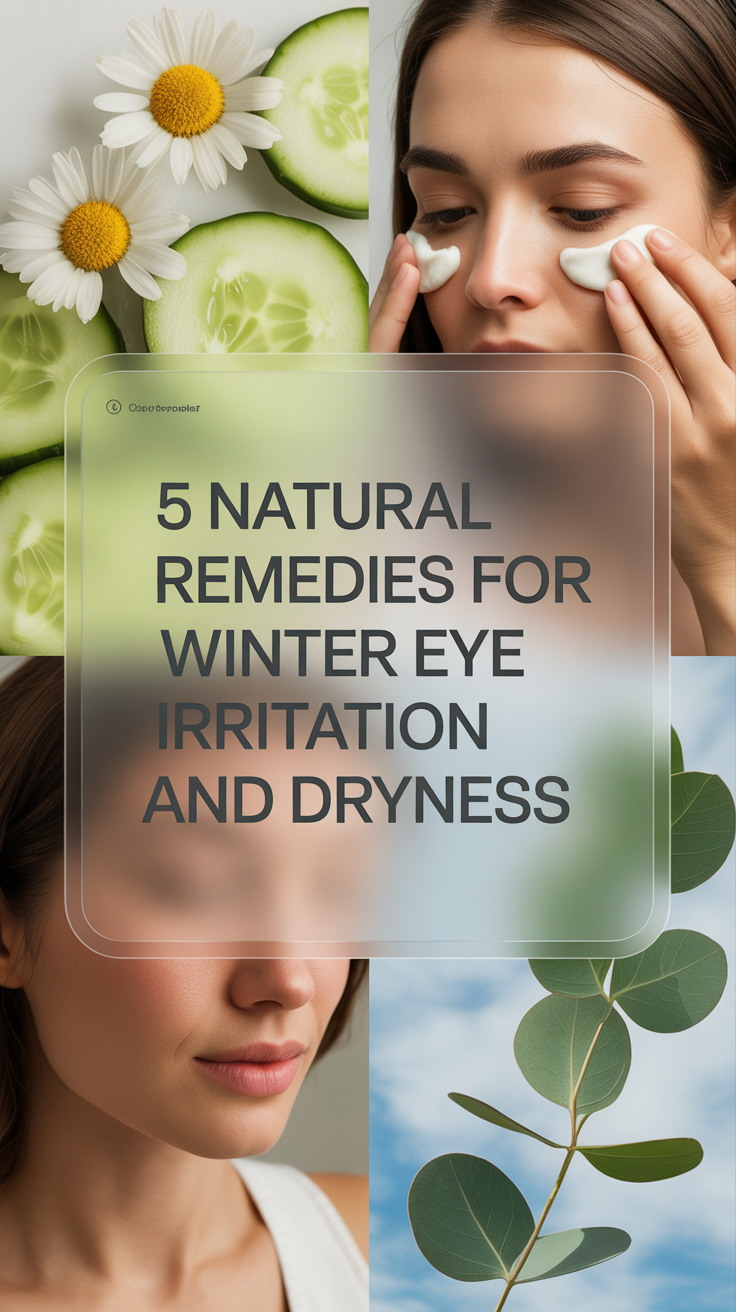

Winter’s harsh conditions can compromise your ocular surface integrity, leading to symptoms you’ve likely experienced: persistent grittiness, burning sensations, and visual fluctuations. While artificial tears offer temporary relief, they don’t address underlying dysfunction in your tear film composition or meibomian gland activity. Evidence supports five accessible interventions that target the physiological mechanisms behind seasonal eye discomfort. Understanding how to implement these remedies correctly makes the difference between minimal improvement and sustained comfort throughout the colder months.
Warm Compress Therapy for Immediate Eye Relief
When ocular surface temperature drops below optimal levels during winter months, warm compress therapy provides rapid symptomatic relief by stimulating meibomian gland function and improving tear film stability. You’ll achieve optimal results by applying a clean compress at 40-45°C for 5-10 minutes twice daily.
This technique liquefies meibum secretions, facilitating lipid layer expression and reducing evaporative dry eye symptoms. Consider microwaveable eye masks designed specifically for this purpose, as they maintain consistent therapeutic temperatures.
Among winter eye irritation remedies, this method offers immediate relief while addressing underlying glandular dysfunction. For best results, apply warm compresses for 15-minute sessions twice daily to maximize moisture retention and comfort. Ensure proper hygiene by using fresh compresses for each application.
Cucumber Eye Masks to Reduce Inflammation and Hydrate
Although cucumber’s reputation as a spa treatment might suggest limited therapeutic value, fresh cucumber slices contain ascorbic acid and caffeic acid, which demonstrate measurable anti-inflammatory properties that can alleviate periorbital edema and ocular surface irritation.
You’ll achieve optimal results by refrigerating cucumber slices for 30 minutes before application, as cold temperature enhances vasoconstriction while the vegetable’s 95% water content provides surface hydration. Apply slices for 10-15 minutes twice daily.
For enhanced soothing effects, consider combining grated cucumber with aloe vera gel to create a cooling mask that may provide additional anti-inflammatory benefits for severely irritated eye areas.
However, you should ensure proper hygiene by washing cucumbers thoroughly, and discontinue use if irritation develops, as individual sensitivities can occur despite cucumber’s generally favorable safety profile.
Chamomile Tea Compresses for Soothing Irritated Eyes
Chamomile (Matricaria chamomilla) compresses deliver anti-inflammatory benefits through bisabolol and chamazulene, bioactive compounds that inhibit histamine release and reduce conjunctival irritation associated with environmental exposure during winter months.
You’ll steep two chamomile tea bags in hot water for five minutes, then cool them to lukewarm temperature. Apply the dampened bags directly onto closed eyelids for 10-15 minutes. This method facilitates transdermal delivery of apigenin, which modulates inflammatory pathways. Repeat twice daily during symptomatic periods.
For those experiencing concurrent sinus congestion alongside eye irritation, chamomile steam sinus relief provides complementary respiratory support using similar anti-inflammatory properties through aromatherapy inhalation.
Contraindications include known Asteraceae family allergies. Discontinue use if irritation worsens. Consult your ophthalmologist before implementing this treatment alongside prescription medications.
Omega-3 Rich Foods to Support Natural Tear Production
Dietary omega-3 polyunsaturated fatty acids shore up meibomian gland function and tear film stability through anti-inflammatory mechanisms that directly address aqueous-deficient and evaporative dry eye subtypes prevalent in winter conditions.
You’ll find therapeutic concentrations of EPA and DHA in fatty fish—salmon, mackerel, sardines, and herring—with clinical studies supporting 1,000-2,000mg daily intake. Alternatively, ground flaxseed and chia seeds provide alpha-linolenic acid, though conversion efficiency to active forms remains limited.
Consider incorporating these sources systematically into your diet, as symptomatic improvement typically requires 6-12 weeks of consistent consumption before observable changes in tear osmolarity and ocular surface inflammation occur. For optimal results, aim for approximately 3.5 ounces of fatty fish twice weekly to maintain consistent omega-3 levels that support both eye moisture and overall tissue hydration during harsh winter months.
Humidifier Optimization Techniques for Winter Eye Comfort
Since forced-air heating systems typically reduce indoor relative humidity to 10-20%—well below the 30-50% range that maintains ocular surface homeostasis—strategic humidifier placement becomes a therapeutic intervention for winter-associated dry eye syndrome.
You’ll achieve optimal results by positioning cool-mist humidifiers within three feet of your sleeping area, targeting 40-45% relative humidity. Clean the reservoir every 72 hours using distilled white vinegar to prevent microbial colonization. Monitor humidity levels with a hygrometer, as excessive moisture (>50%) promotes mold proliferation.
Run your humidifier during sleep hours when tear film evaporation accelerates due to reduced blink frequency and lagophthalmos. If you lack a humidifier, strategic plant placement and water bowl evaporation near radiators can provide supplementary moisture to combat dry indoor air.
Frequently Asked Questions
How Often Should I Blink When Using Digital Screens During Winter?
You should consciously blink every 15-20 seconds during screen use, though natural rates vary. Research suggests intentional complete blinks help redistribute tear film effectively. Consider implementing the 20-20-20 rule: every 20 minutes, you’ll look away for 20 seconds.
Can Wearing Contact Lenses Worsen Winter Eye Dryness Symptoms?
Yes, you’ll find contact lenses act like moisture thieves during winter. They disrupt your tear film’s lipid layer, accelerating evaporation rates by 30-40%. You should consider daily disposables or increase artificial tear supplementation frequency significantly.
What Indoor Temperature Is Best for Preventing Dry Eyes in Winter?
You’ll find optimal eye comfort at 68-72°F (20-22°C) with 30-50% humidity. Research suggests temperatures above 74°F can increase tear evaporation. However, you should consult your eye care provider, as individual tolerance varies significantly.
Are Artificial Tears Safe to Use Daily Throughout Winter Months?
Yes, you’ll find preservative-free artificial tears perfectly safe for daily use. Frequent formulations facilitate ocular surface hydration without cumulative toxicity. However, you should consult your ophthalmologist if symptoms persist beyond two weeks despite consistent application.
Does Drinking More Water Help Reduce Winter Eye Irritation?
While adequate hydration supports overall tear production, you’ll find drinking more water alone won’t significantly reduce winter eye irritation. You should combine proper hydration with humidifiers, omega-3 supplements, and artificial tears for optimal ocular surface management.