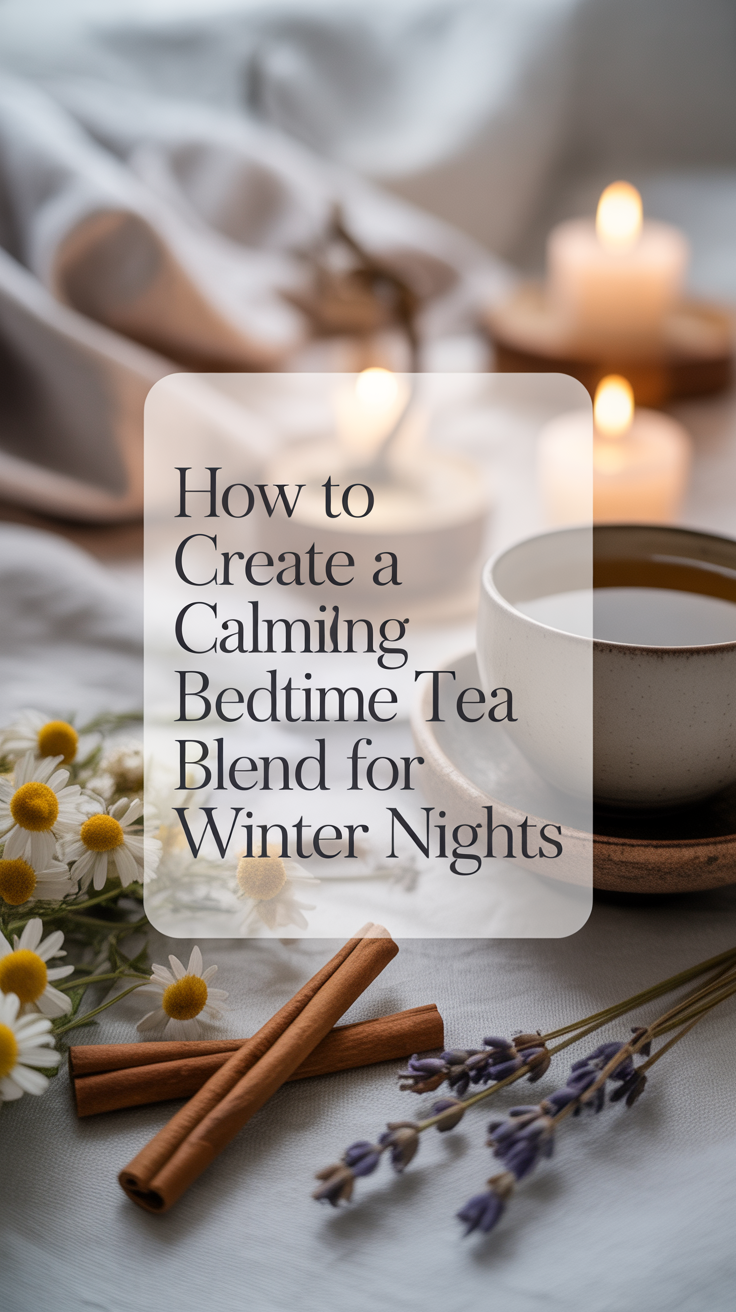
You’ve likely tossed and turned through cold winter nights, your mind refusing to quiet despite your body’s exhaustion. The answer isn’t in your medicine cabinet—it’s in the plants themselves. For centuries, herbalists have turned to specific botanicals that work with your nervous system rather than against it. Creating your own bedtime tea blend means understanding which plants calm racing thoughts, which release physical tension, and how they’ve traditionally worked together to invite genuine rest.
Understanding the Best Herbs for Sleep and Relaxation
When our ancestors sought relief from restless nights, they turned to the garden rather than the medicine cabinet.
You’ll find that chamomile, valerian root, and passionflower form the foundation of any calming bedtime tea winter blend. These time-honored herbs work synergistically, addressing both physical tension and mental restlessness.
Understanding each plant’s unique properties helps you craft personalized remedies that honor traditional wisdom while meeting your body’s specific needs. For optimal results, steep 2 tablespoons of dried chamomile flowers in 4 cups of boiling water to create a chamomile steam sinus relief treatment that promotes relaxation before bedtime.
Essential Ingredients for Your Winter Bedtime Tea Blend
While chamomile anchors most sleep blends with its gentle nervine properties, you’ll want to deepen your winter tea with warming, grounding herbs that address the season’s particular demands on your nervous system.
- Passionflower calms racing thoughts that intensify during long, dark evenings
- Tulsi builds resilience against cold-weather stress while warming your core
- Skullcap releases tension held in your jaw and shoulders from winter’s contractive energy
These warming rituals naturally promote relaxation and help ease the transition into restful sleep during the coldest months of the year.
Step-by-Step Guide to Blending Your Calming Tea
Creating your bedtime blend begins with understanding proportions that honor each herb’s strength and purpose. Start with two parts chamomile as your base, then add one part valerian root for deeper relaxation.
Include half a part lavender and lemon balm each. Mix thoroughly in a glass jar, crushing dried flowers gently to release their essential oils before steeping. For added throat comfort during winter months, consider incorporating a small amount of marshmallow root infusion into your blend.
Proper Steeping Techniques for Maximum Benefits
The plants you’ve carefully blended hold their medicinal compounds within cell walls that require proper heat and time to release. Use water just below boiling—around 200°F—to preserve delicate volatile oils.
Steep roots and barks for 10-15 minutes, flowers and leaves for 5-7 minutes.
- Steam rising from your cup carries chamomile’s apple-sweet aroma
- Golden liquor deepens as valerian root releases its earthy essence
- Lavender buds unfurl, tinting the water pale purple
For optimal potency, allow your blend to steep for the full recommended duration, as maximum potency is typically achieved at 15-20 minutes for heartier botanical ingredients.
When and How Much to Drink for Optimal Results
Timing your evening tea ritual matters as much as the herbs themselves. Pour your cup 30-60 minutes before bed, allowing the plant compounds to gently signal your nervous system.
Eight ounces provides sufficient medicinal benefit without nighttime bathroom trips. Drink it slowly, letting each sip ground you.
Your body recognizes these botanical allies, responding best to consistent nightly practice rather than occasional use.
Storage Tips to Keep Your Tea Blend Fresh
Your carefully crafted herbal blend contains delicate plant compounds that will degrade without proper care. Store your tea in an airtight glass or ceramic container, away from light and heat, to preserve the volatile oils and medicinal properties that our ancestors valued.
When protected from moisture and oxygen, your blend will maintain its therapeutic potency for three to six months.
Airtight Container Selection
Once you’ve crafted your calming bedtime blend, protecting its delicate volatile oils and aromatic compounds becomes essential for preserving the herbs’ therapeutic properties. Choose containers that honor your blend’s potency:
- Dark glass jars shield light-sensitive chamomile flowers and lavender buds from degradation
- Ceramic vessels with rubber-sealed lids maintain consistent humidity levels
- Tin containers provide complete darkness while preventing oxidation
Label each vessel with harvest dates and botanical names.
Cool, Dark Storage Location
Beyond container selection, the environment where your herbal blend rests determines how long the plants’ medicinal essences remain vibrant and effective. Store your tea away from sunlight’s degrading rays, which break down volatile oils and diminish plant compounds.
Choose cupboards distant from heat sources like stoves or radiators. Maintain temperatures below 70°F. Humidity accelerates mold growth, so avoid bathroom storage. These conditions preserve your blend’s therapeutic potency throughout winter.
Optimal Freshness Timeline
Even under ideal conditions, dried herbs follow nature’s clock and gradually surrender their potency. You’ll preserve maximum benefits by:
- Whole chamomile flowers retain their golden oils for twelve months, while crushed petals fade within six
- Valerian root pieces maintain earthy strength for eighteen months before their volatile compounds dissipate
- Lavender buds hold their calming essence through one full seasonal cycle
Replace your blend when aromatic intensity diminishes noticeably.
Customizing Your Blend Based on Personal Sleep Needs
While traditional herbal formulas offer excellent starting points, your body’s unique sleep patterns demand individual attention.
If racing thoughts plague you, increase lemon balm and passionflower proportions.
For restless legs, emphasize valerian and chamomile.
Those experiencing early waking benefit from stronger skullcap presence.
Monitor your response over three nights, adjusting ratios by quarter-teaspoon increments until achieving restorative sleep.