Winter stress accumulates in your body through elevated cortisol levels and sympathetic nervous system activation. You’ll find that a targeted lavender foot bath addresses these physiological responses through both aromatherapeutic compounds and thermal therapy. The feet contain numerous nerve endings and reflexology points that, when properly stimulated, can shift your entire system toward parasympathetic dominance. What you might not realize is how specific techniques transform this simple ritual into genuine therapeutic intervention.
Understanding the Benefits of Lavender for Stress Relief
When your nervous system shifts into parasympathetic dominance, lavender’s bioactive compounds—primarily linalool and linalyl acetate—bind to GABA receptors in your brain, producing measurable anxiolytic effects. You’ll experience reduced cortisol levels and decreased heart rate variability.
This neurological response makes a lavender foot bath recipe particularly effective for winter stress management, as the warm water enhances transdermal absorption while stimulating reflexology points that amplify lavender’s calming properties throughout your entire system. For maximum potency, steep 2 tablespoons of dried lavender in hot water for 15-20 minutes before adding the infusion to your foot bath, allowing the bioactive compounds to fully extract into the water.
Essential Ingredients and Supplies You’ll Need
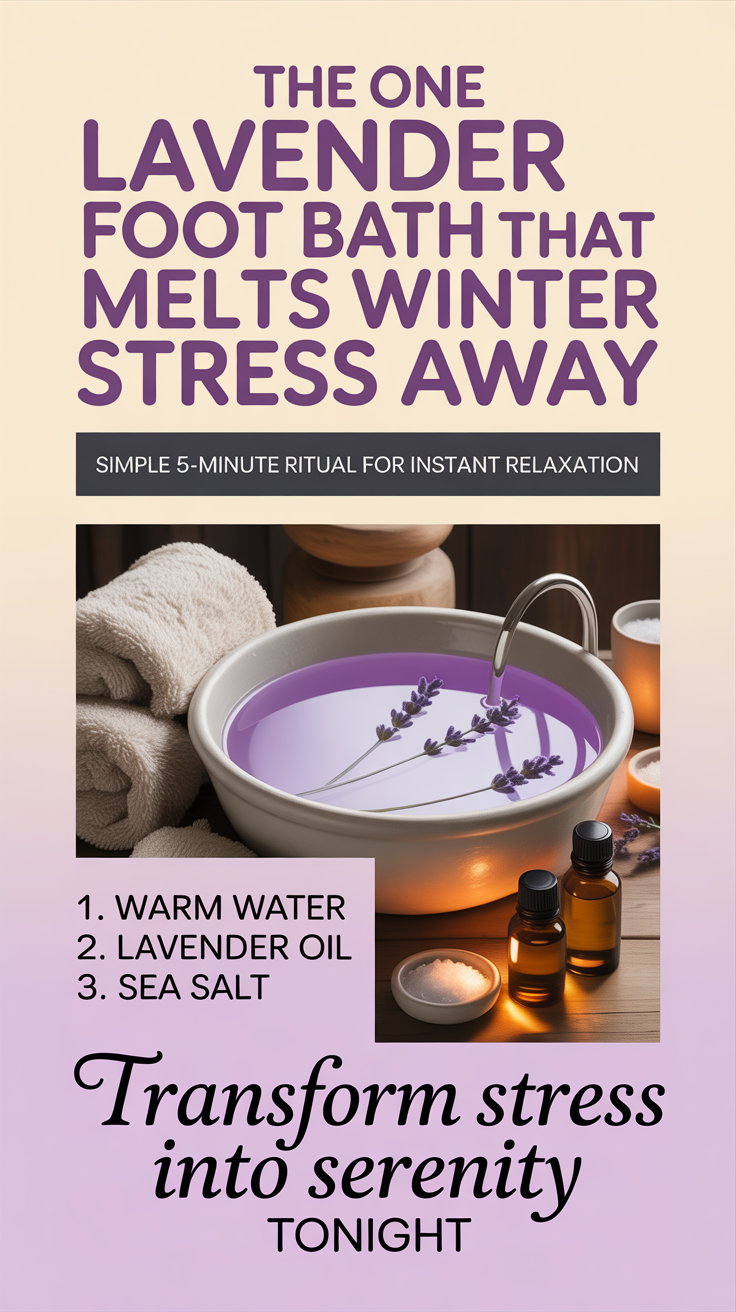
To create an effective therapeutic foot bath, you’ll need specific components that work synergistically to promote relaxation and relieve tension. The foundation consists of Epsom salts combined with dried or fresh lavender, which together facilitate muscle recovery and activate the parasympathetic nervous system.
Essential oils and proper tools enhance the treatment’s efficacy by delivering concentrated botanical compounds directly through the skin’s dermal layers. For optimal results, use 5-7 drops lavender essential oil per gallon of warm water to achieve the proper therapeutic concentration.
Lavender and Epsom Salts
The synergistic combination of lavender essential oil and Epsom salts forms the therapeutic foundation of your foot bath, creating a powerful remedy that addresses both physical tension and nervous system dysregulation. You’ll harness magnesium sulfate’s muscle-relaxing properties alongside lavender’s anxiolytic compounds.
Use 1 cup Epsom salts and 8-10 drops therapeutic-grade lavender oil per gallon of warm water to optimize transdermal absorption and aromatherapeutic benefits.
Essential Oils and Tools
Beyond the primary therapeutic agents, your foot bath’s efficacy depends on selecting high-quality materials that enhance both the delivery and absorption of healing compounds. Choose therapeutic-grade lavender essential oil with verified linalool content.
You’ll need a basin accommodating both feet, a natural bristle brush for exfoliation, and a clean towel. Consider adding carrier oils like jojoba to optimize dermal penetration of active constituents.
Step-by-Step Instructions for the Perfect Lavender Foot Bath
Now that you’ve assembled your essential supplies, you’re ready to create a therapeutic foot bath experience that promotes both physical relief and mental tranquility. The process involves two fundamental techniques: proper preparation of your aromatic foot soak and the application of strategic massage movements during immersion.
These methods work synergistically to enhance circulation, release tension, and allow the lavender’s therapeutic compounds to penetrate your skin effectively. For optimal therapeutic benefits, maintain your foot bath water temperature between 98-100°F, as this range supports effective absorption of beneficial compounds while protecting your skin barrier during winter months.
Gather Your Essential Supplies
Before you immerse your feet in therapeutic relaxation, assembling the proper supplies guarantees you’ll experience maximum benefits from your lavender foot bath. You’ll need a basin large enough for both feet, Epsom salts for muscle tension relief, dried or fresh lavender flowers, essential lavender oil, warm towels, and a moisturizer.
Keep everything within arm’s reach to maintain your relaxed state throughout treatment.
Soak and Massage Technique
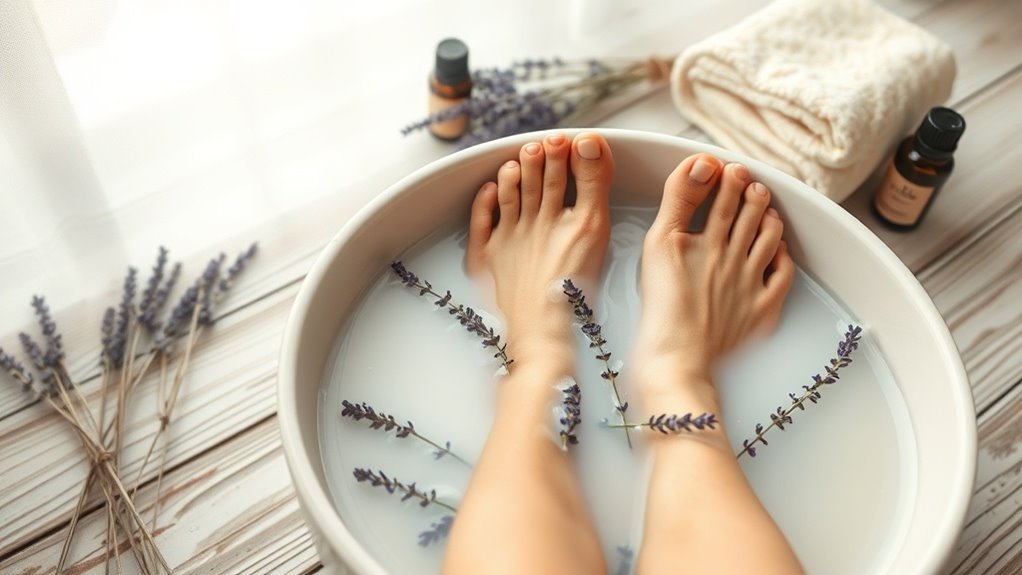
Once you’ve prepared your lavender-infused water at 98-102°F, immerse both feet completely and allow the therapeutic compounds to penetrate your skin’s dermal layers for 15-20 minutes.
Apply gentle circular pressure to your plantar fascia, focusing on reflexology points at the arch and heel. Knead your metatarsals systematically, releasing accumulated tension. This acupressure technique enhances circulation while the lavender’s anxiolytic properties calm your nervous system.
Five Lavender Foot Bath Recipe Variations
These five therapeutic formulations harness lavender’s anxiolytic and anti-inflammatory properties through different delivery methods and complementary botanicals. You’ll find options using essential oils, dried flowers, Epsom salts, milk emulsifiers, and herbal infusions.
Each variation addresses specific physiological needs—whether reducing cortisol levels, enhancing transdermal absorption, relieving muscle tension, or promoting lymphatic drainage while maintaining lavender’s core calming effects.
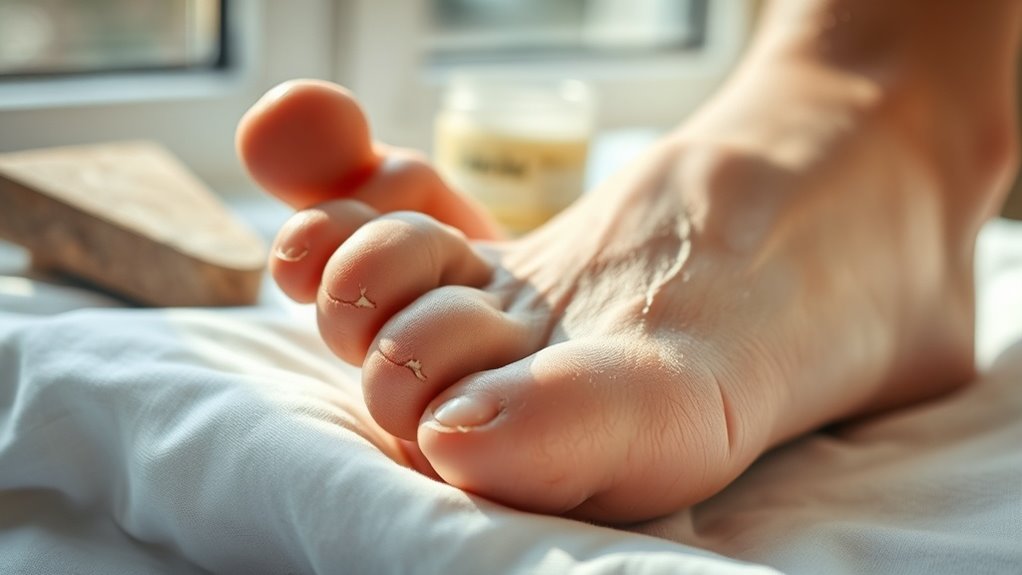
For optimal results, apply a ceramide-rich moisturizer to your feet within 3 minutes after your foot bath to lock in moisture and support your skin’s natural barrier function.
Optimal Soaking Time and Water Temperature Guidelines
The therapeutic efficacy of your lavender foot bath depends critically on maintaining water temperature between 92-100°F (33-38°C) throughout a 15-20 minute immersion period. Monitor thermal consistency using a bath thermometer, adding warm water as needed.
This duration optimizes transdermal absorption of lavender’s volatile compounds while promoting vasodilation and parasympathetic nervous system activation. Extend soaking beyond 20 minutes only if addressing specific musculoskeletal conditions.
Enhancing Your Experience With Additional Relaxation Techniques
Amplifying lavender’s sedative properties requires integrating complementary sensory modalities that’ll synergistically activate multiple relaxation pathways.
You’ll optimize parasympathetic nervous system engagement through deep diaphragmatic breathing exercises, progressive muscle relaxation techniques, and guided meditation protocols.
Consider incorporating soft ambient soundscapes, dim candlelight, or binaural beats at theta frequencies. These evidence-based interventions create a multisensory therapeutic environment, maximizing stress reduction and promoting restorative physiological responses.