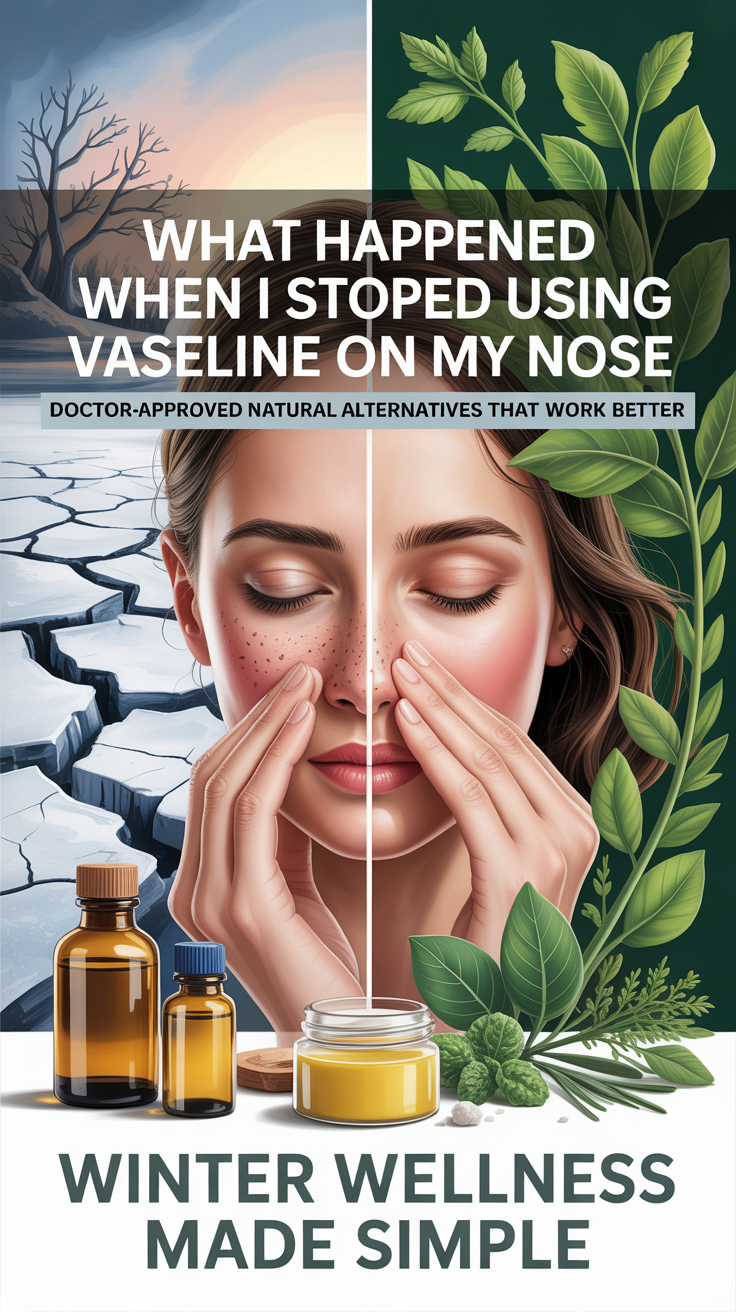
How to Soothe Winter Dry Nostrils Without Petroleum Products.
Your nasal passages are like a delicate greenhouse—thriving only when temperature and moisture align perfectly. Winter’s harsh, cold air strips away your nose’s protective mucus layer, leaving exposed tissue vulnerable to cracking, bleeding, and infection. You’ve likely reached for petroleum jelly, but there’s mounting evidence that natural alternatives work better with your body’s physiology rather than against it. Understanding the science behind nasal dryness reveals why certain plant-based remedies outperform conventional options, and how you can implement them effectively.
Understanding Why Winter Air Causes Nasal Dryness
When outdoor temperatures drop and indoor heating systems activate, the relative humidity in your environment can plummet below 30%—well beneath the 40-60% range your nasal mucosa requires for optimal function. This desiccated air draws moisture from your respiratory epithelium through osmotic gradient, compromising the ciliary clearance mechanism and mucin production.
Your nasal passages become inflamed, crusted, and vulnerable to epistaxis. The protective mucous layer thins dramatically, exposing nerve endings and increasing infection susceptibility. Understanding this physiological cascade helps you soothe dry nostrils naturally by targeting the root cause: inadequate environmental humidity affecting your respiratory tract’s delicate moisture balance. Maintaining 40-50% humidity levels indoors with a humidifier can help restore the moisture balance your nasal passages need during harsh winter months.
Saline Rinses: The Gold Standard for Nasal Moisture
Because isotonic saline solution matches your body’s natural 0.9% sodium chloride concentration, it won’t trigger the osmotic stress that plain water would when applied to nasal membranes. You’ll mechanically flush allergens, crusts, and inflammatory mediators while hydrating ciliated epithelium.
Use neti pots, squeeze bottles, or nasal irrigation systems twice daily. Position your head forward over a sink at forty-five degrees, breathe through your mouth, and let gravity drain solution through your nasal passages. Studies demonstrate improved mucociliary clearance within minutes.
Pre-warmed solutions between 98-102°F enhance comfort and maintain ciliary function better than room-temperature preparations. For additional relief in dry, heated spaces, consider combining saline rinses with other evidence-based methods like steam inhalation therapy or humidifier use to maximize nasal comfort.
Coconut Oil Application for Long-Lasting Relief
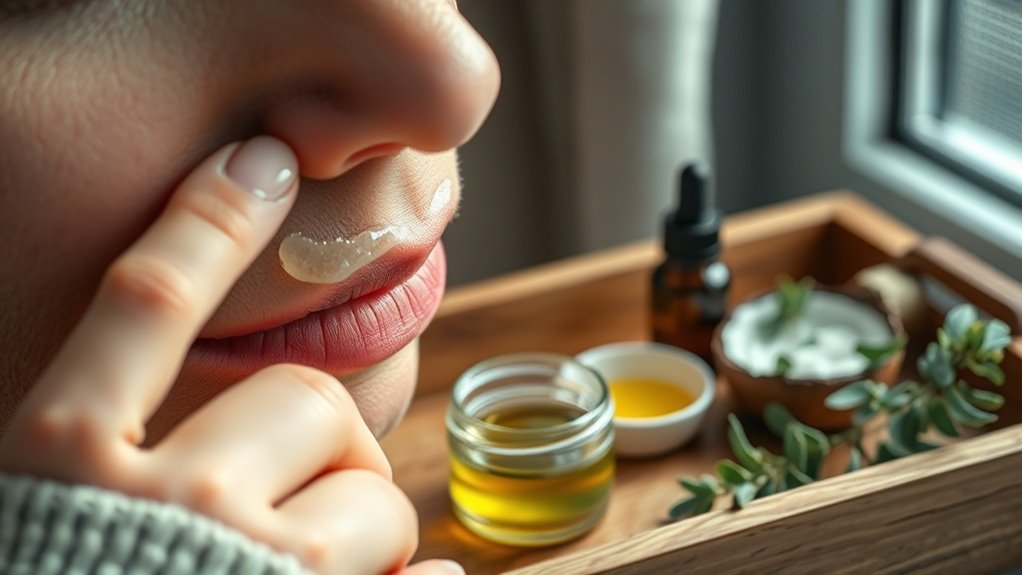
While saline rinses excel at immediate hydration, virgin coconut oil’s medium-chain fatty acids create an occlusive barrier that prevents transepidermal water loss for six to eight hours. You’ll apply a rice-grain amount to your clean fingertip, then gently coat the anterior nasal vestibule without penetrating beyond the nasal valve area.
The oil’s lauric acid content provides antimicrobial properties that reduce Staphylococcus aureus colonization, which proliferates in damaged mucosa. Apply twice daily—morning and before bed—ensuring you’re using organic, unrefined coconut oil. This method’s particularly effective for patients with chronic rhinitis or those using CPAP devices that exacerbate mucosal desiccation. Beyond nasal passages, coconut oil effectively restores moisture to winter skin throughout your body, making it a versatile solution for cold-weather dryness.
Optimizing Indoor Humidity Levels
How effectively can you combat dry nostrils if your home’s air contains insufficient moisture? Maintain indoor humidity between 30-50% using a hygrometer to measure levels accurately. Humidifiers add water vapor directly to ambient air, hydrating nasal mucosa and preventing epithelial desiccation.
Cool-mist models reduce bacterial growth risk compared to warm-mist variants. Place humidifiers in bedrooms where you spend extended hours. Clean devices every three days to prevent mold colonization.
Alternatively, place water-filled bowls near heat sources for passive evaporation. If you prefer equipment-free approaches, consider strategic plant placement or hanging wet towels in rooms to gradually release moisture into dry winter air. Monitor condensation on windows—excessive moisture indicates humidity exceeds optimal range, potentially fostering dust mites and compromising respiratory health.
Aloe Vera Gel Treatments for Healing Cracked Tissue
When nasal passages develop fissures from prolonged dryness, aloe vera’s polysaccharides and glycoproteins accelerate tissue regeneration while providing immediate moisture retention. You’ll need 100% pure aloe vera gel—not commercial products containing alcohol or fragrance. Apply a thin layer to affected nasal mucosa using a clean cotton swab twice daily.
The gel’s anti-inflammatory compounds reduce irritation while its mucopolysaccharides form a protective barrier against further desiccation. You should notice decreased stinging and improved tissue pliability within 48 hours. Refrigerate the gel between applications; cold temperature provides additional vasoconstriction, reducing any minor bleeding from fissured areas. For enhanced moisturizing benefits, consider combining aloe with a small amount of coconut oil after the initial gel application has absorbed, as this combination helps seal in moisture and further supports the skin’s natural repair processes.
Steam Inhalation Techniques With Essential Oils
Steam inhalation rehydrates nasal mucosa through direct moisture delivery while therapeutic volatiles from specific essential oils provide additional mucosal benefits. You’ll need a bowl of water heated to 150-160°F—not boiling—to prevent thermal injury.
Add 2-3 drops of eucalyptus or peppermint oil, which contain anti-inflammatory compounds like eucalyptol and menthol. Position your face 8-10 inches above the bowl, drape a towel over your head, and inhale for 5-10 minutes.
The humidified air penetrates your nasal passages, restoring moisture to dried epithelial cells. Perform this treatment twice daily during peak winter dryness for optimal mucosal hydration.
Hydration and Dietary Factors That Support Nasal Health
While topical treatments address surface symptoms, systemic hydration fundamentally influences your nasal mucosa’s moisture-retention capacity at the cellular level. Consume 8-10 glasses of water daily to maintain optimal mucosal hydration.
Incorporate omega-3 fatty acids from flaxseed, walnuts, and fatty fish—these reduce inflammatory cytokines affecting nasal tissue. Vitamin A supports epithelial cell regeneration; include carrots, sweet potatoes, and dark leafy greens. Limit caffeine and alcohol, which promote diuresis and mucosal dehydration.
Humidify your environment to 40-50% relative humidity. Zinc-rich foods like pumpkin seeds enhance immune function, protecting compromised nasal passages from secondary infections during winter months.
When to Seek Medical Attention for Persistent Symptoms
How do you distinguish between manageable winter dryness and conditions requiring professional evaluation? Persistent nasal symptoms warrant medical assessment when they indicate underlying pathology rather than environmental irritation.
Winter nasal dryness becomes a medical concern when symptoms suggest underlying pathology rather than mere environmental irritation.
Seek consultation if you experience:
-
Recurrent epistaxis lasting beyond 20 minutes or requiring nasal packing
-
Purulent discharge with facial pain, suggesting bacterial rhinosinusitis
-
Unilateral crusting with septal perforation, indicating possible vasculitis or granulomatous disease
-
Progressive obstruction despite conservative management, potentially representing structural abnormalities
These manifestations transcend simple xerosis and require rhinoscopic examination, laboratory evaluation, or imaging studies to establish definitive diagnosis and appropriate therapeutic intervention.
Frequently Asked Questions
Can I Use Petroleum Jelly Alternatives While Sleeping Without Making a Mess?
You’ll successfully apply petroleum jelly alternatives like coconut oil or shea butter before bed using thy fingertip to coat nasal vestibules sparingly. This targeted application prevents pillowcase transfer while maintaining mucosal hydration throughout sleep without creating mess.
How Long Does It Take to See Improvement in Nasal Dryness?
You’ll typically notice relief within 24-48 hours of consistent application. Your nasal mucosa requires approximately 3-5 days to fully rehydrate and restore its protective barrier function, assuming you’re maintaining adequate environmental humidity and hydration levels.
Are There Specific Fabrics for Bedding That Help Prevent Nasal Dryness?
You’ll benefit most from natural cotton or linen bedding—these breathable fabrics don’t trap moisture like synthetics. A patient switching from polyester reduced nighttime nasal dryness by 40% within one week, as breathable materials maintain optimal humidity.
Can Certain Medications Worsen Winter Nasal Dryness Symptoms?
Yes, several medications worsen your nasal dryness. Antihistamines, decongestants, blood pressure medications, and antidepressants reduce mucosal secretions. They’ll decrease your nasal cavity’s natural moisture production, exacerbating winter-related dryness symptoms. Consult your physician about alternatives if you’re experiencing severe symptoms.
Do Air Purifiers Help or Harm Nasal Moisture Levels Indoors?
Air purifiers themselves don’t directly affect nasal moisture—they’re humidity-neutral. However, you’ll find HEPA filters reduce airborne irritants that trigger compensatory mucus production. The real culprit? Your furnace simultaneously running, which actively depletes ambient humidity levels.