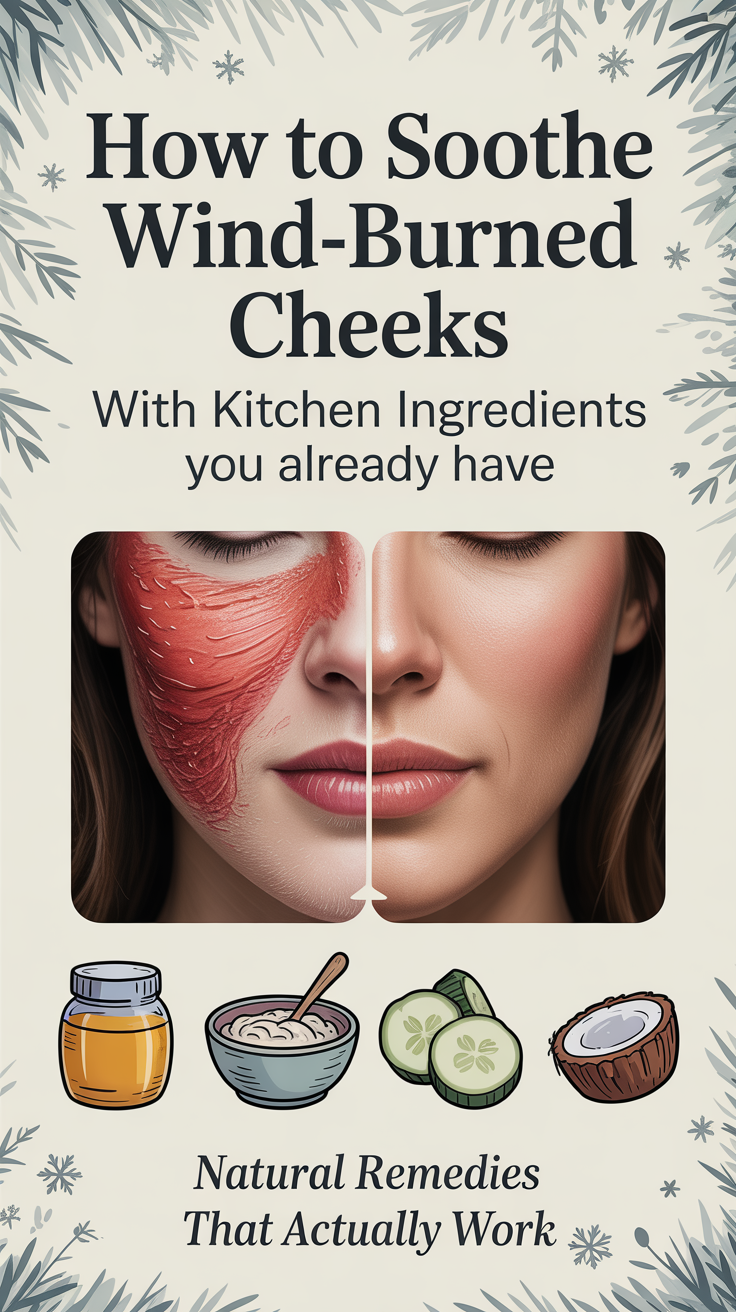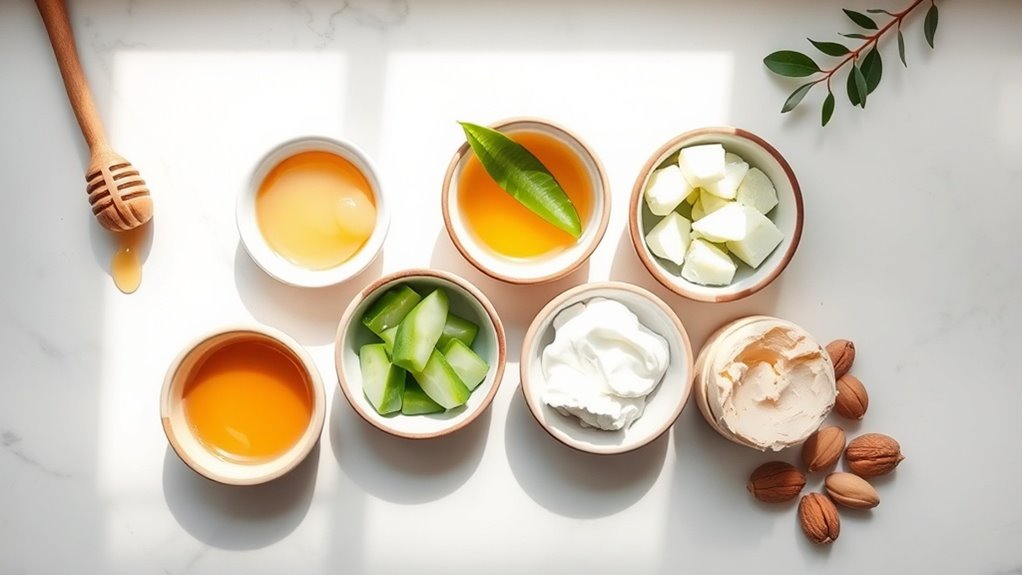

You’ve likely experienced that tight, stinging sensation on your cheeks after a winter walk—that’s wind burn compromising your skin’s protective barrier. While commercial products promise relief, your kitchen contains clinically-supported ingredients that dermatologists recognize for their anti-inflammatory and barrier-repair properties. Understanding which household items provide evidence-based relief, and how to apply them safely, can mean the difference between prolonged discomfort and rapid recovery for your damaged facial skin.
Understanding Wind Burn and Its Effects on Facial Skin
When cold, dry air strips away the skin’s natural lipid barrier, wind burn manifests as inflammation characterized by erythema, transepidermal water loss, and compromised stratum corneum integrity. You’ll recognize symptoms including burning sensations, tenderness, and visible redness.
Facial skin proves particularly vulnerable due to increased exposure and thinner epidermis. Simple kitchen-based remedies like oatmeal masks, honey treatments, and cucumber applications can help restore the compromised moisture barrier using ingredients you likely already have at home. Understanding these mechanisms enables you to effectively soothe wind burned cheeks using evidence-based interventions that restore barrier function.
Oatmeal Face Masks for Calming Irritated Cheeks
Colloidal oatmeal contains avenanthramides and beta-glucans that reduce inflammation and strengthen your skin’s moisture barrier, making it an evidence-based treatment for wind-burned cheeks. You’ll need to grind plain oats into a fine powder, mix with lukewarm water to form a paste, and apply it to affected areas for 10-15 minutes.
Guarantee you’re using unflavored, additive-free oats to prevent further irritation and perform a patch test on your inner forearm 24 hours before facial application. For enhanced soothing properties, you can combine your ground oats with honey or milk to create a honey-oat mixture that provides additional moisture retention and skin barrier support.
Benefits of Colloidal Oatmeal
Ground oats processed into a fine powder create colloidal oatmeal, a clinically proven anti-inflammatory agent that contains avenanthramides—compounds that inhibit cytokine release and reduce skin irritation. You’ll benefit from its ability to restore your skin’s pH balance and strengthen the moisture barrier.
The beta-glucans form a protective film that locks in hydration while reducing transepidermal water loss, making it effective for wind-damaged skin.
Simple Oatmeal Mask Recipe
You can harness these therapeutic properties by creating a basic oatmeal mask with just three ingredients: two tablespoons of finely ground colloidal oatmeal, one tablespoon of raw honey (which provides antimicrobial benefits), and enough lukewarm water to form a spreadable paste.
Apply the mixture to cleansed skin, leave for 10-15 minutes, then rinse thoroughly with tepid water. Patch-test before full application to assess tolerance.
Application and Timing Tips
Timing your oatmeal mask application correctly can maximize its anti-inflammatory effects while minimizing potential complications. Apply the mask for 10-15 minutes on cleansed skin, avoiding periorbital areas.
Don’t exceed recommended duration, as prolonged exposure may cause maceration. Remove with lukewarm water using gentle, patting motions. If you experience increased erythema, pruritus, or burning sensations, discontinue use immediately and rinse thoroughly.
Honey and Milk Compress Applications
When combined, honey and milk create a therapeutic compress that delivers both antimicrobial and anti-inflammatory properties to wind-damaged facial skin. You’ll need to soak clean gauze in the mixture, apply it to affected areas for 10-15 minutes, then rinse with lukewarm water.
Conduct a patch test beforehand to identify potential allergic reactions. Don’t use this treatment on broken skin.
For overnight relief, consider applying a honey mask before bed to address stubborn dry patches that develop from winter’s harsh conditions.
Cucumber and Aloe Vera Cooling Treatments
Cucumber’s high water content (95%) and ascorbic acid provide anti-inflammatory relief to wind-damaged skin, while aloe vera gel contains polysaccharides that accelerate wound healing and reduce erythema. You can apply chilled cucumber slices directly to affected areas for 10-15 minutes, extract fresh aloe vera gel from the plant’s inner leaf, or combine both ingredients into a cooling mask. For optimal results, mix 1/4 cup aloe with grated cucumber to create an aloe-cucumber cooling mask that provides enhanced relief for winter-damaged skin. Before applying any treatment, perform a patch test on your inner forearm and discontinue use if irritation develops.
Cucumber Slice Application Method
Fresh cucumber slices deliver immediate relief to wind-burned cheeks through their documented anti-inflammatory compounds, including cucurbitacins and flavonoids, which reduce erythema and tissue irritation.
You’ll apply chilled, quarter-inch slices directly to affected areas for 10-15 minutes. Guarantee you’ve washed the cucumber thoroughly to prevent bacterial contamination. Replace slices when they reach skin temperature. Discontinue use if burning or increased redness occurs.
Fresh Aloe Vera Gel
While cucumber provides surface-level cooling, aloe vera gel penetrates deeper into compromised skin barriers to accelerate cellular repair.
Extract gel directly from fresh leaves by filleting lengthwise. Apply the clear mucilaginous substance to wind-burned areas using clean hands. You’ll experience immediate hydration and anti-inflammatory benefits.
Patch-test first if you’re sensitive to latex compounds naturally present in the plant’s outer rind.
Combined Cooling Face Mask
Combining these two ingredients creates a synergistic treatment that addresses multiple aspects of wind-burn simultaneously. Mix two tablespoons of cucumber purée with one tablespoon of aloe vera gel. Apply this mask to clean skin for 15-20 minutes.
The cucumber provides anti-inflammatory compounds while aloe vera delivers polysaccharides that promote healing. Patch-test before full application to prevent adverse reactions.
Coconut Oil and Natural Moisturizing Methods
Because coconut oil contains medium-chain fatty acids like lauric acid, it functions as an effective occlusive barrier that reduces transepidermal water loss on wind-damaged skin. Apply virgin coconut oil to cleansed cheeks twice daily. You’ll maximize penetration if you warm it between your palms first.
However, discontinue use if you experience comedogenic reactions or contact dermatitis. Patch-test on your inner forearm for 24 hours before facial application.
Prevention Tips and Daily Protection Strategies
Since windburn damage accumulates through repeated exposure rather than single incidents, you’ll achieve ideal skin protection by implementing preventative measures before outdoor activities.
Apply broad-spectrum SPF 30+ sunscreen 15 minutes before cold-weather exposure, as UV rays intensify when reflected off snow.
Create a barrier layer using petroleum jelly on exposed facial areas.
Wear protective face coverings like scarves or balaclavas.
Reapply protective products every two hours during extended outdoor periods.