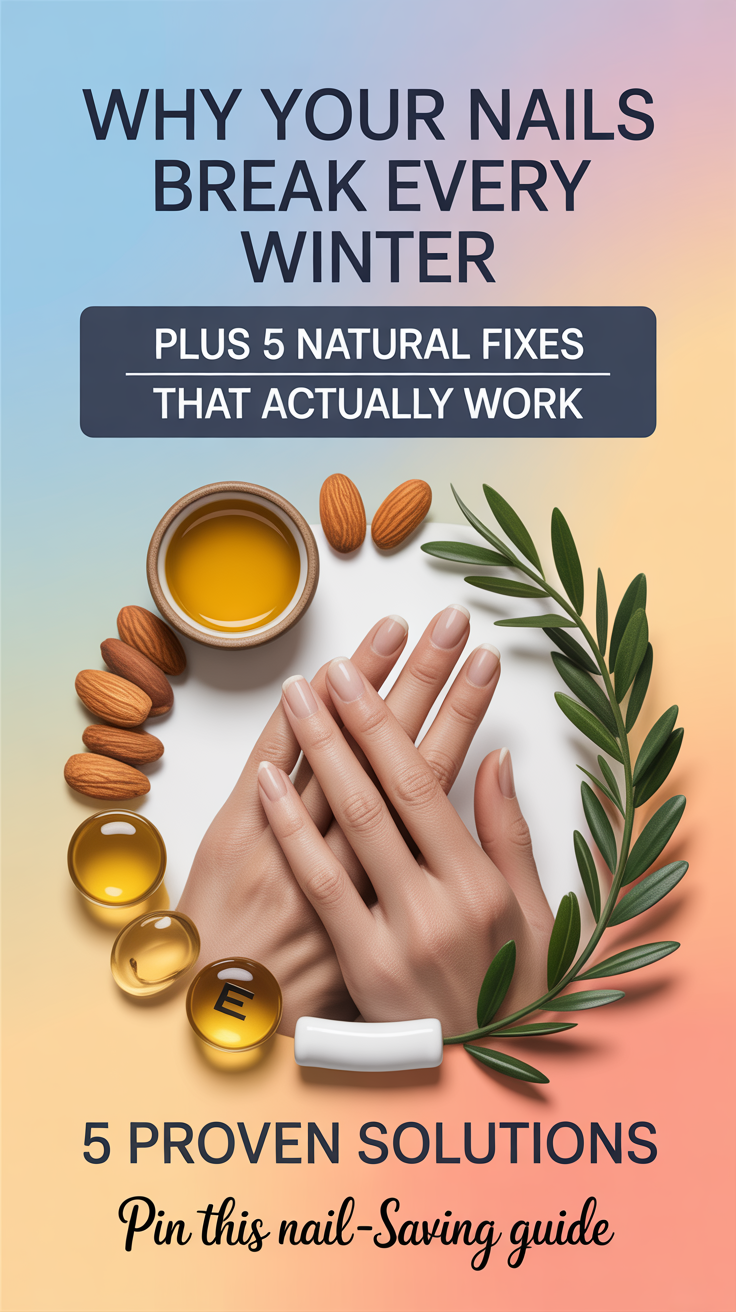
You’ve noticed your nails splitting, you’ve felt them snapping, and you’ve watched them peel with frustrating regularity each winter season. This isn’t merely cosmetic deterioration—it’s a multifactorial physiological response involving compromised keratin structure, disrupted lipid barriers, and depleted moisture content within the nail plate. The mechanism behind winter-induced nail brittleness stems from specific environmental stressors and nutritional deficits, yet evidence-based interventions can restore your nail integrity through targeted topical treatments and systematic supplementation protocols that address the underlying pathophysiology.
Understanding Why Winter Weather Damages Your Nails
Winter’s impact on nail integrity stems from five interconnected physiological mechanisms that compromise the keratin matrix. Cold air’s reduced moisture capacity, combined with artificial heating, depletes nail lipids through desiccation. Thermal cycling between environments induces structural microtrauma via repeated expansion-contraction cycles.
Excessive handwashing strips protective sebum layers, accelerating dehydration. Decreased peripheral circulation slows nail plate regeneration, prolonging vulnerability periods. Nutritional deficiencies during winter months further compromise nail structural integrity when dietary intake of biotin and essential fatty acids diminishes. Cuticle barrier disruption permits pathogenic infiltration and inflammation.
These synergistic factors necessitate targeted winter brittle nails remedies that address moisture retention, lipid replenishment, and cuticle restoration. Research-supported approaches include coconut oil treatments that penetrate the nail plate to restore protective lipid barriers. Understanding these pathophysiological processes enables evidence-based prevention strategies for maintaining ideal nail health during cold-weather months.
The Role of Nutrition and Hydration in Nail Strength
While external interventions address surface-level nail damage, ideal nail integrity fundamentally depends on systemic nutritional sufficiency and adequate hydration status.
Your nails require biotin (2.5 mg/day increases plate thickness 25%), iron, zinc, magnesium, and omega-3 fatty acids for structural integrity. Protein intake directly supports keratin synthesis essential for nail strength.
Biotin supplementation improves brittle nails in 63% of cases, while collagen peptides increase growth 12% and reduce breakage 42%. Adequate hydration maintains nail flexibility and prevents brittleness.
You’ll find these nutrients in eggs, leafy greens, fatty fish, nuts, and legumes. Winter dietary changes toward less fresh produce can deprive nails of these essential nutrients, making supplementation particularly valuable during colder months. Vitamin C-rich foods like citrus fruits and bell peppers support collagen synthesis, which strengthens the nail bed and surrounding connective tissue. Multivitamin formulas containing biotin and minerals demonstrate measurable improvements.
Environmental Factors That Weaken Nails During Cold Months
During cold months, environmental stressors systematically compromise nail structural integrity through multiple physiological mechanisms. Low ambient humidity and indoor heating drastically reduce moisture content, causing keratin dehydration, thinning, and increased brittleness.
Cold-induced vasoconstriction decreases nutrient delivery to nail beds, weakening structural proteins. Temperature fluctuations between outdoor cold and indoor heat create expansion-contraction cycles that destabilize nail plates.
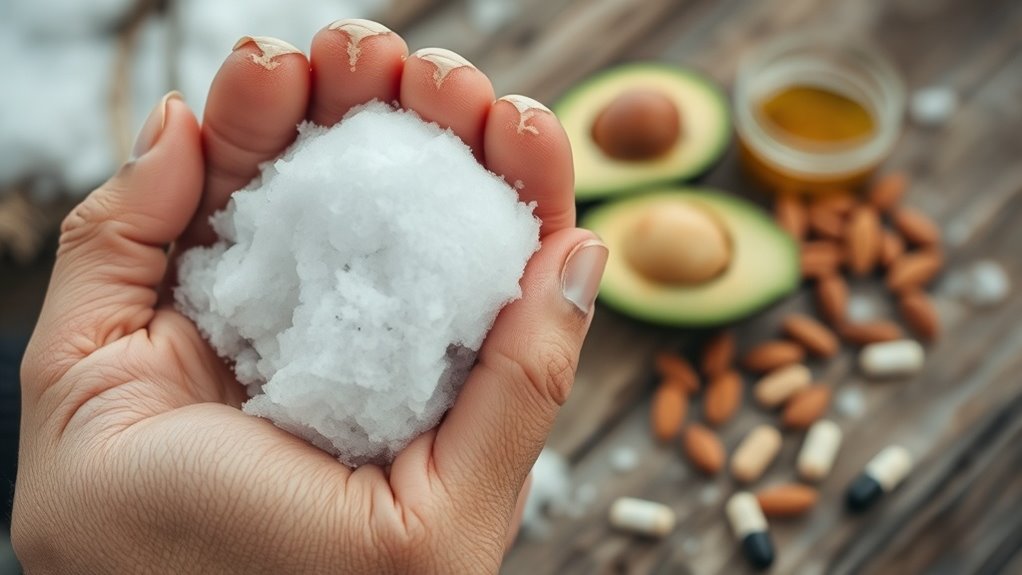
Frequent handwashing strips natural oils through repeated wetting-drying cycles, promoting lamina separation. Harsh detergents, sanitizers, and acetone-based products further erode keratin integrity. Additionally, iron deficiency can manifest as visible nail ridges and increased fragility during winter months when dietary intake may be compromised. The same cold, dry air that affects nail integrity also compromises the surrounding fingertip skin, creating conditions for painful cracking and splitting. Mechanical irritation from winter clothing materials damages cuticles, exacerbating brittleness. You’ll need targeted protective strategies to counteract these environmental assaults.
Oil-Based Moisturizing Treatments for Brittle Nails
Oil-based treatments represent the most effective intervention for restoring hydration to brittle nails compromised by winter conditions.
You’ll achieve ideal results by selecting oils with documented therapeutic properties—vitamin E, jojoba, and argan oil demonstrate superior penetration and repair capabilities for damaged nail plates.
Coconut oil provides exceptional moisture restoration benefits for winter-damaged nails, creating a protective barrier that prevents further dehydration.
Application timing, frequency, and technique directly influence treatment efficacy, requiring adherence to evidence-based protocols for measurable improvement in nail flexibility and strength. For optimal absorption, wash off before applying any nail color, as oils need direct contact with the nail plate to penetrate effectively.
Best Oils for Nails
When winter air strips moisture from nail plates and surrounding tissues, oil-based treatments provide occlusivity and deliver essential nutrients that water-based products can’t achieve. Jojoba oil mimics natural sebum, enhancing absorption while repairing collagen loss within nail beds.
Sweet almond oil delivers vitamins B2, B6, and E, strengthening nails through deep hydration. Olive oil’s antioxidant content softens cuticles and prevents hangnails, making it ideal for severe winter dryness. Coconut oil’s antibacterial properties and solid consistency enable effective overnight penetration.
Argan oil’s essential fatty acids reduce brittleness and splitting in chronically compromised nails. Eucalyptus essential oil addresses torn skin and ripped cuticles common in winter conditions. These carrier oils suit daily application and sensitive skin.
Proper Application Techniques
Maximizing therapeutic benefits from nail oils hinges on precise delivery methods that target the nail matrix and surrounding keratin structures. Apply one drop directly onto each cuticle area using brush applicators for salon-quality precision. Massage in circular motions for 1-2 minutes to enhance blood flow and distribute oil across the nail plate.
For deep nourishment, immerse nails in warm oil baths for 5 minutes after removing polish completely. Apply cuticle oil immediately after hand washing to prevent keratin dehydration. Layer oils over hand cream to create an occlusive moisture barrier that sustains hydration throughout extended periods.
Frequency and Timing Guidelines
Understanding proper application methods sets the foundation, but therapeutic efficacy depends equally on strategic timing and consistent frequency of oil-based treatments. Apply moisturizers minimally three times daily to optimize hydration and flexibility of brittle nails. Post-hand-washing application within minutes prevents moisture loss. Evening treatments maximize overnight absorption and repair.
Consider 15-20 minute warm oil soaks twice weekly for deep conditioning. Winter months necessitate increased application frequency due to ambient dryness and indoor heating. Consistency over several weeks produces measurable improvements in nail integrity. Space applications throughout the day rather than concentrated dosing to maintain continuous hydration barrier function.
Proven Supplements and Topical Solutions for Nail Health
Since brittle nails during winter months often stem from both environmental stressors and nutritional deficiencies, evidence-based supplementation offers a targeted approach to strengthen nail structure from within. Biotin (2.5 mg daily) increases nail thickness by 25% over six months through enhanced keratin production. Combining biotin with pyridoxine yields 50% improvement in brittle nails.
Hydrolyzed collagen peptides (2.5 grams daily) reduce breakage by 42% within 24 weeks as declining natural collagen compromises structural integrity. Iron deficiency directly causes nail brittleness; correcting deficiencies through supplementation restores strength. Vitamin E (15 mg daily) provides antioxidant protection while improving moisture retention and flexibility.
Daily Habits and Protective Measures to Prevent Nail Brittleness
While supplementation addresses internal deficiencies, external protective measures prove equally critical in preventing winter-induced nail brittleness. Apply emollients containing shea butter, jojoba oil, or hyaluronic acid after each hand wash, focusing on the nail plate and cuticle.
Wear waterproof gloves during aqueous exposure and insulated gloves outdoors to minimize environmental stressors. Limit submersion time in water and use lukewarm temperatures rather than hot. Maintain short nail length with unidirectional filing to prevent mechanical stress.
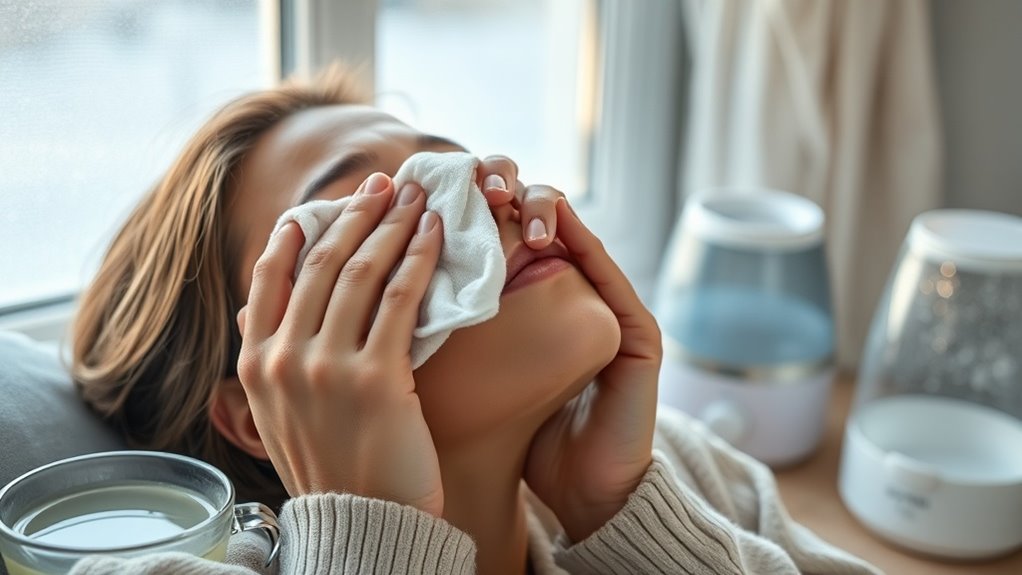
Employ humidifiers to counteract xerothermic indoor conditions. These prophylactic measures create a protective barrier against moisture depletion and structural compromise.