
You’ve likely noticed your hands becoming increasingly compromised during cold months—the fissures, inflammation, and persistent dryness that won’t respond to commercial moisturizers. Before you continue down the path of ineffective treatments, understand that winter hand damage requires a clinical approach with properly formulated botanical compounds. What you’re about to learn combines dermatological principles with evidence-based ingredients, but there’s a critical factor most people overlook that determines whether your salve will actually heal or simply provide temporary relief.
Understanding Why Winter Weather Damages Your Hands
When environmental humidity drops below 40%, the stratum corneum—your skin’s outermost protective barrier—loses its ability to retain adequate moisture. Cold temperatures constrict dermal capillaries, reducing nutrient delivery to epidermal cells.
Frequent handwashing compounds transepidermal water loss, causing fissures and inflammation. Without intervention, these microtears become infected. You’ll need a healing salve cracked hands treatment to restore lipid barrier function and prevent further dermatological complications. Similar therapeutic principles apply to feet, where Epsom salt baths and other natural soaking remedies can support the skin’s natural repair mechanisms.
Essential Ingredients for a Therapeutic Hand Salve
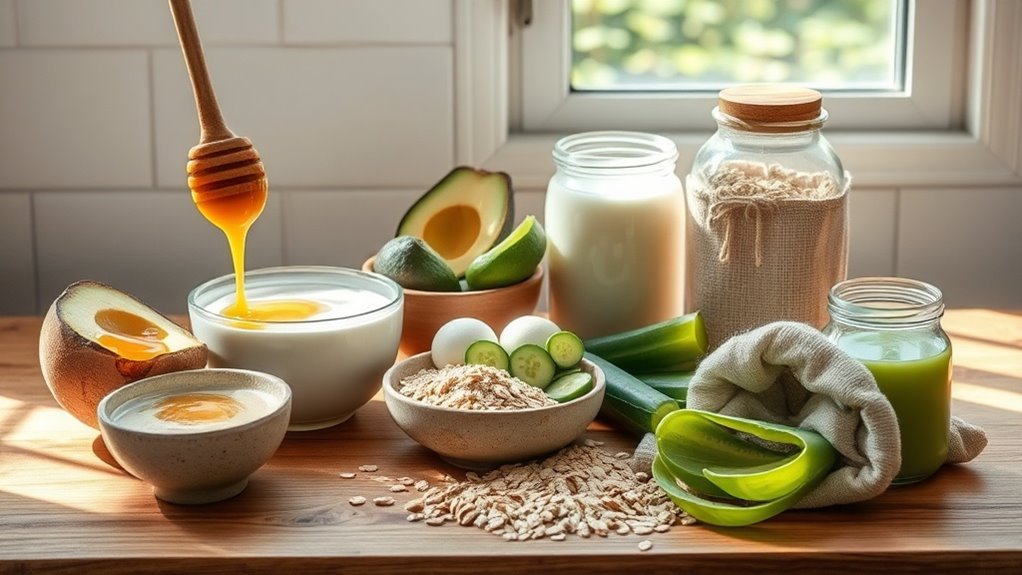
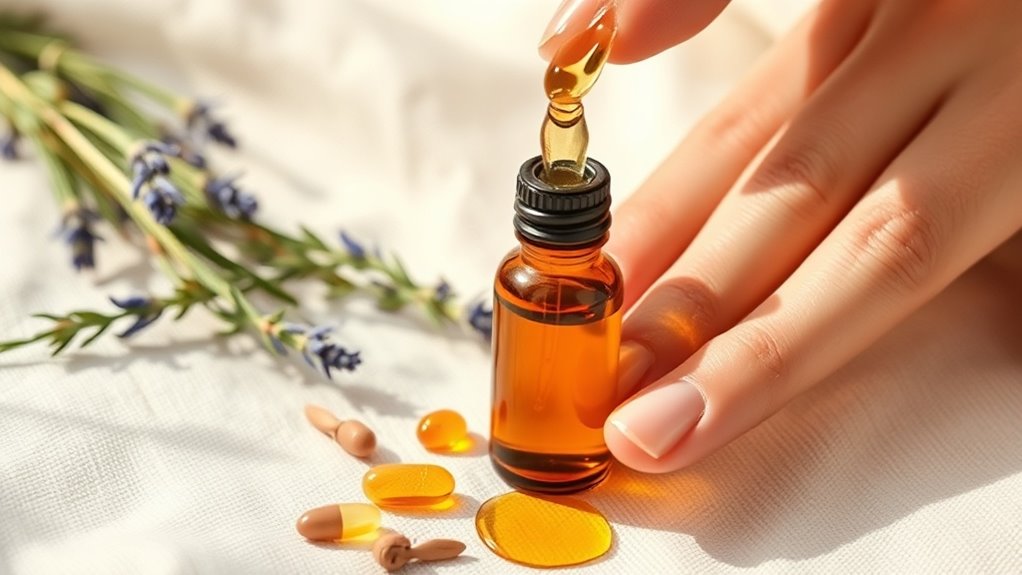
A properly formulated salve requires three categories of therapeutic compounds: occlusives, emollients, and bioactive healing agents. Occlusives like beeswax create a protective barrier preventing transepidermal water loss. Emollients such as shea butter fill lipid gaps in damaged stratum corneum. Bioactive agents—calendula, vitamin E, or allantoin—promote keratinocyte proliferation and reduce inflammation. You’ll need precise ratios to guarantee efficacy without comedogenic effects. Popular beeswax-coconut oil base combinations provide an ideal foundation that balances occlusive protection with emollient penetration for supporting skin barrier repair.
Step-by-Step Recipe Instructions for Multiple Salve Variations
Begin by sterilizing all equipment with 70% isopropyl alcohol to prevent microbial contamination that could compromise product stability and introduce pathogens to compromised skin.
Melt beeswax and carrier oils using a double boiler at 160°F maximum to preserve therapeutic compounds. Remove from heat before adding essential oils, as excessive temperatures degrade volatile constituents.
Pour immediately into sterilized containers. Allow complete solidification before sealing to prevent condensation-related bacterial growth.
For enhanced healing properties, incorporate urea-based cream into your salve formulation, as this ingredient has proven particularly effective for severely cracked skin during winter months.
Proper Application Techniques for Maximum Healing Results
Before applying salve to cracked hands, you must cleanse the affected areas with lukewarm water and a fragrance-free, pH-balanced cleanser to remove surface contaminants that could impede absorption or cause infection.
Pat skin dry gently—don’t rub. Apply a thin layer using circular motions, targeting fissures directly. Reapply every four hours and after handwashing.
Cover with cotton gloves overnight for enhanced penetration. For additional winter skin relief, consider soaking hands in an oatmeal bath remedy using 1 cup ground oats in warm water at 98-100°F for 15-20 minutes before applying your healing salve.
Storage Tips and Shelf Life for Homemade Salves
Proper storage protocols determine whether your homemade salve remains therapeutically effective or becomes a medium for microbial proliferation. Store in sterilized, opaque containers at temperatures below 77°F to prevent oxidation and rancidity.
You’ll achieve maximum shelf life of six months when refrigerated. Discard immediately if you detect odor changes, color variations, or mold formation, as these indicate bacterial contamination and potential dermatological harm.