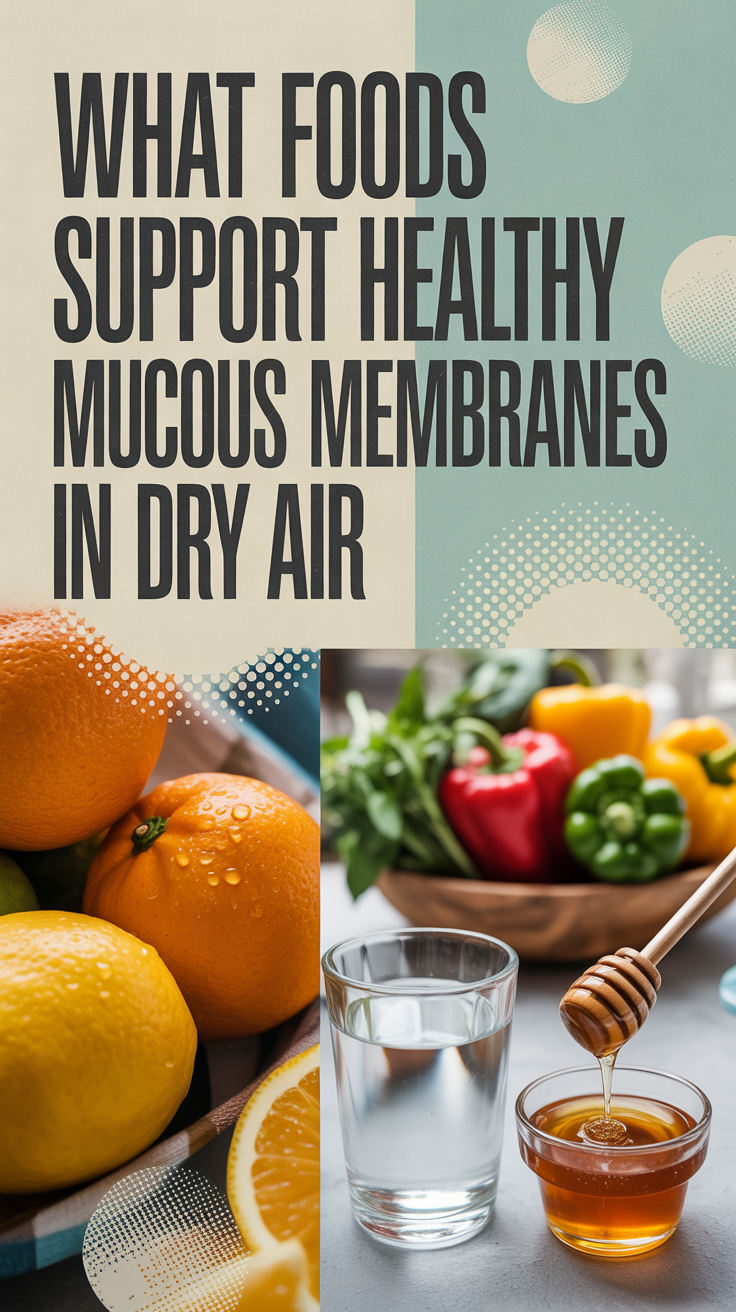
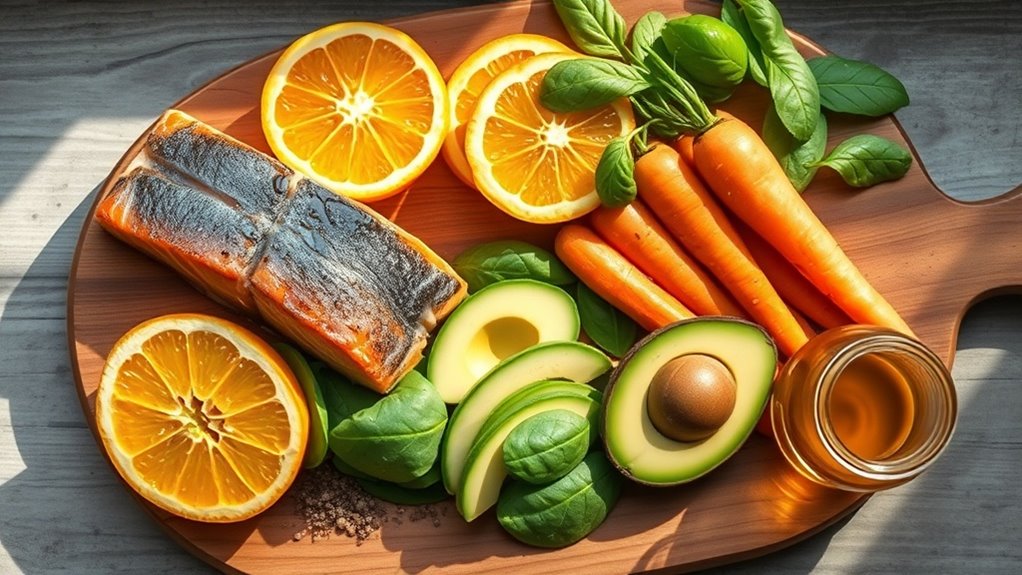
When dry air compromises your mucous membranes, specific nutrients can reinforce their barrier function and moisture retention. You’ll need targeted compounds—beta-carotene for epithelial regeneration, omega-3s to modulate inflammatory pathways, and polyphenols that protect against oxidative stress. The distinction between hydration and cellular membrane support matters here, as water content alone won’t address the biochemical mechanisms underlying mucosal integrity. Understanding which foods deliver these compounds in bioavailable forms determines whether your approach actually works.
Hydration-Rich Foods That Naturally Moisturize Membranes
Maintaining ideal mucous membrane hydration in dry environments requires strategic nutritional intervention through foods with high water content and specific bioactive compounds.
You’ll maximize membrane function by consuming cucumbers (95-96% water) and celery (95% water), which deliver essential electrolytes and anti-inflammatory compounds.
Watermelon provides 92% water alongside lycopene for inflammation reduction, while strawberries (91% water) prevent mucus thickening.
Citrus fruits contribute 87-90% water content plus vitamin C and salicylic acid for mucus thinning. Leafy greens like spinach and kale support mucus consistency through their hydration content while providing vitamin C and quercetin to reduce nasal passage inflammation. These foods healthy mucous membranes by maintaining perfect hydration while supplying vitamins K, C, and potassium for tissue integrity and fluid balance regulation. Omega-3 rich salmon consumed at 2-3 oz twice weekly provides essential fatty acids that support membrane integrity and reduce inflammatory responses in dry air conditions.
Beta-Carotene and Vitamin A Sources for Membrane Repair
When mucous membranes face continuous exposure to dry air, beta-carotene emerges as a critical nutritional intervention for cellular repair and barrier restoration. Your body converts this provitamin A carotenoid into retinol, which regulates epithelial cell differentiation and mucus secretion through retinoic acid signaling.
Prioritize orange and dark green vegetables—carrots, sweet potatoes, kale, spinach—alongside preformed vitamin A from liver, eggs, and dairy. Beta-carotene’s antioxidant properties protect membranes from oxidative stress while stimulating mucus production for pathogen elimination. For optimal absorption, consume these beta-carotene sources with fatty foods to enhance nutrient bioavailability. Consider pairing your vegetables with healthy fat sources like avocados or walnuts to maximize the absorption of fat-soluble vitamin A.
Clinical evidence links adequate intake with reduced respiratory infections and preserved mucosal integrity, particularly in aging populations experiencing accelerated membrane deterioration.
Omega-3 Fatty Acids to Reduce Inflammation and Support Membrane Health
While beta-carotene addresses cellular repair through vitamin A pathways, omega-3 polyunsaturated fatty acids (PUFAs) target membrane integrity through dual mechanisms: structural incorporation into epithelial cell membranes and suppression of inflammatory cascades that compromise mucosal barriers.
You’ll find EPA and DHA from fatty fish (salmon, mackerel, sardines) directly integrate into phospholipid bilayers, enhancing tight junction formation while reducing pro-inflammatory markers. These fatty acids modulate gut microbiota composition, increasing beneficial Akkermansia muciniphila populations that strengthen mucus layer thickness. DHA serves as a major structural component of ocular tissues, supporting the mucous membranes that protect eye surfaces from drying environmental conditions. Similar to how antioxidant-rich foods support cellular repair in skin tissues, omega-3 fatty acids provide comparable protective benefits for mucous membrane integrity.
Consume at least two weekly servings of omega-3-rich fish to maintain mucosal resilience against environmental stressors like dry air exposure.
Antioxidant-Rich Fruits and Vegetables for Membrane Protection
Beyond structural membrane support from omega-3s, plant-derived antioxidants deliver targeted protection against oxidative damage that compromises mucosal barrier function in low-humidity environments.
Vitamin C-rich citrus fruits, bell peppers, and kiwis neutralize reactive oxygen species while regenerating vitamin E in lipid membranes. Beta-carotene from carrots and sweet potatoes converts to vitamin A, maintaining epithelial tissue integrity and differentiation. Papaya’s beta-carotenes specifically favor regeneration of inflamed respiratory mucous membranes damaged by dry air exposure.
Key antioxidant sources include:
- Flavanones in citrus providing anti-inflammatory and antimicrobial mucosal defense
- Anthocyanins from berries scavenging free radicals in respiratory tissues
- Lycopene in tomatoes protecting against lung tissue degeneration
- Quercetin from apples modulating inflammatory pathways
- Green tea polyphenols upregulating endogenous antioxidant enzymes
Leafy greens like spinach and kale contribute additional vitamin C and carotenoids that work synergistically with other antioxidants to maintain skin elasticity and support the integrity of mucous membrane barriers during winter conditions.
Anti-Inflammatory Spices and Aromatics for Respiratory Support
Bioactive compounds in culinary spices deliver potent anti-inflammatory effects through multiple molecular pathways that directly counteract the oxidative stress and immune dysregulation affecting respiratory mucosa during prolonged dry air exposure. Curcumin from turmeric reduces airway inflammation while promoting tissue healing.
Gingerol breaks down mucus accumulation and modulates inflammatory cascades. Black pepper’s piperine enhances curcumin bioavailability by 2000% and facilitates bronchodilation. Garlic’s allicin compound provides antimicrobial defense while thinning mucus secretions. Ginger functions as a natural expectorant to loosen mucus and ease breathing in compromised airways.
Carvacrol in oregano and capsaicin in cayenne pepper function as natural decongestants with documented antimicrobial properties. These phytochemicals work synergistically to maintain respiratory membrane integrity and immune competence.
Nutrient-Dense Proteins and Probiotics for Tissue Maintenance
Phytochemical interventions for respiratory support require complementary structural building blocks to sustain long-term mucosal integrity. You’ll need nutrient-dense proteins—lean meats, fish, eggs, and legumes—delivering essential amino acids for tissue regeneration.
Probiotic-rich foods enhance barrier function through distinct mechanisms:
- Pathogen exclusion: Beneficial bacteria occupy epithelial binding sites, restricting pathogenic colonization
- Mucin upregulation: Probiotics stimulate mucus layer thickness via increased glycoprotein synthesis
- Tight junction modulation: Enhanced occludin and claudin-1 expression reduces permeability
- Immunomodulation: Elevated secretory IgA and anti-inflammatory cytokine production
- Antimicrobial metabolites: Bacteriocins and organic acids inhibit harmful microorganisms
Incorporate yogurt, kefir, and fermented vegetables alongside zinc-rich shellfish and omega-3 fatty fish for ideal mucosal maintenance.