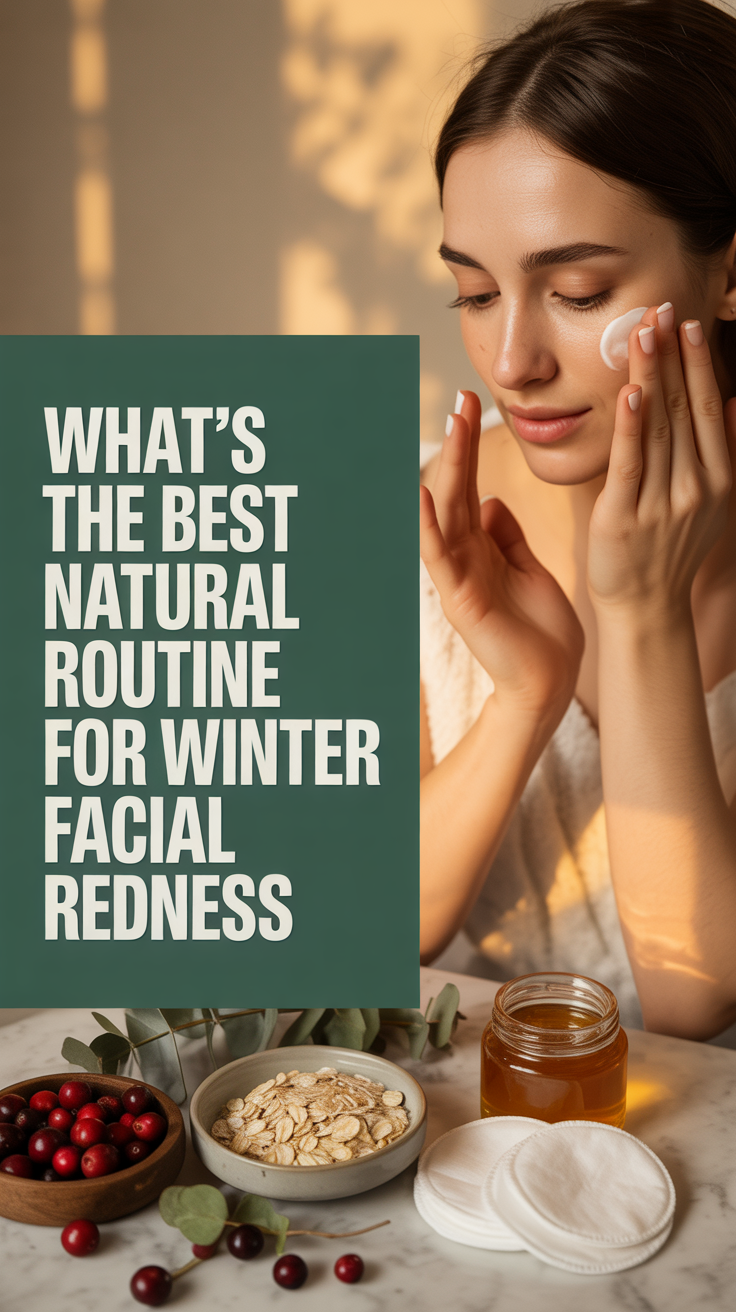
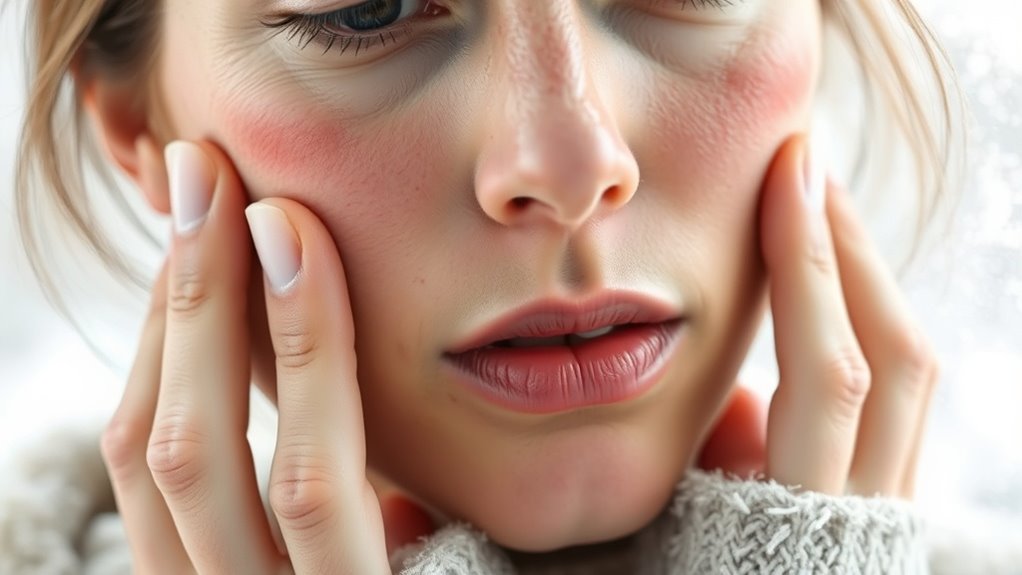
If you’ve noticed persistent facial redness during colder months, you’re likely experiencing cold-induced erythema—a condition where compromised skin barrier function and increased transepidermal water loss trigger inflammatory responses. While conventional treatments exist, evidence suggests specific natural interventions can effectively modulate this reaction. Research demonstrates that targeted botanical compounds and proper barrier support don’t just mask symptoms—they address the underlying mechanisms. Here’s what clinical data reveals about building an effective protocol.
Understanding Winter Facial Redness and Its Triggers
When ambient temperatures drop below 40°F (4°C), your facial capillaries undergo rapid vasoconstriction followed by compensatory vasodilation, creating the characteristic erythema associated with cold weather exposure.
Additional triggers include indoor heating systems that reduce ambient humidity below 30%, compromising your stratum corneum’s barrier function. Wind chill factor accelerates transepidermal water loss, while sudden temperature transitions between outdoor and indoor environments exacerbate vascular instability.
You’ll need a targeted winter facial redness routine addressing both environmental stressors and compromised barrier integrity. Identifying your specific triggers enables more effective intervention strategies for managing seasonal erythema manifestations. Natural remedies such as colloidal oatmeal masks and chamomile compresses provide gentle, evidence-based approaches that support your skin’s barrier function during harsh winter conditions.
Oatmeal Mask Treatment for Calming Irritated Skin
Colloidal oatmeal (Avena sativa) demonstrates clinically validated anti-inflammatory properties through its concentration of avenanthramides—polyphenolic compounds that inhibit nuclear factor-kappa B (NF-κB) activation and subsequent cytokine release.
You’ll achieve optimal results by grinding unflavored oats into fine powder, then combining one tablespoon with lukewarm water to form paste consistency. Apply this mixture to cleansed facial skin for 10-15 minutes before rinsing with tepid water. The β-glucan content provides additional barrier repair benefits.
You can implement this treatment 2-3 times weekly during symptomatic periods. For enhanced moisturizing effects, consider incorporating honey into your oat mixture, as honey-oat combinations create synergistic hydration that addresses both inflammation and moisture retention simultaneously. Contraindications include known cereal grain allergies.
Chamomile Compress Application Method
Matricaria chamomilla (German chamomile) contains bisabolol and matricin—bioactive terpenoids that modulate inflammatory mediators and reduce capillary permeability in facial erythema.
You’ll need to steep 2-3 tablespoons of dried chamomile flowers in 240ml boiling water for 15 minutes. Strain thoroughly, then refrigerate until the infusion reaches 4-10°C. Soak a clean cotton cloth in the cooled solution, wring out excess liquid, and apply to affected areas for 10-15 minutes. Repeat twice daily.
You should observe vasoconstrictive effects and decreased inflammation within 72 hours. For enhanced respiratory comfort during winter months, some practitioners also recommend chamomile steam therapy as a complementary approach to support overall seasonal wellness. Discontinue if you experience contact dermatitis or allergic reactions.
Aloe Vera Gel Benefits and Usage Guide
Aloe barbadensis Miller gel provides polysaccharide acemannan and salicylic acid derivatives that inhibit cyclooxygenase pathways and stabilize mast cell degranulation in cold-induced facial erythema.
Application Protocol:
-
Extract fresh gel from inner leaf parenchyma or use 99% pure formulations without synthetic additives
-
Apply 0.5ml layer to cleansed skin twice daily, allowing 10-minute absorption
-
Refrigerate gel at 4°C to enhance vasoconstrictive effects
-
Patch-test on jawline 24 hours prior to assess potential latex sensitivity
-
Discontinue if pruritus or contact dermatitis develops
You’ll observe reduced inflammatory markers within 72 hours when applied consistently. For enhanced therapeutic benefit, combine aloe with grated cucumber using 1/4 cup aloe mixed thoroughly to create a cooling mask that provides additional anti-inflammatory compounds.
Cucumber Cooling Treatment for Reducing Inflammation
Cucumis sativus contains ascorbic acid, caffeic acid, and silica compounds that demonstrate measurable anti-inflammatory properties through inhibition of pro-inflammatory enzyme hyaluronidase. You’ll extract maximum benefit by refrigerating fresh cucumber slices for thirty minutes before application. Position slices directly on affected facial areas for fifteen minutes twice daily. The cooling effect constricts blood vessels, reducing erythema visibility.
You can alternatively blend cucumber into a paste, applying a thin layer to compromised skin. Clinical observations suggest consistent application over two weeks yields noticeable improvement. However, you shouldn’t substitute this treatment for medical intervention if redness persists or worsens beyond standard seasonal irritation. For additional moisture support during winter months, consider pairing cucumber treatments with petroleum jelly application before bedtime to help lock in hydration and support skin barrier repair.
Green Tea Toner Preparation and Application
Camellia sinensis polyphenols, particularly epigallocatechin gallate (EGCG), demonstrate vasoconstrictive properties that can mitigate facial erythema when applied topically. You’ll need to steep two organic green tea bags in 240ml boiled water for 15 minutes, then refrigerate for optimal catechin preservation.
Application protocol:
-
Cleanse skin with pH-balanced cleanser before application
-
Saturate cotton pad with chilled preparation
-
Apply using gentle upward strokes twice daily
-
Store refrigerated solution for maximum 72 hours
-
Discontinue use if irritation develops
This antioxidant-rich formulation reduces inflammatory cytokines while providing thermal relief to compromised skin barriers.
Daily Moisturizing Routine With Natural Oils
While topical antioxidants address vascular reactivity, you’ll need to reinforce the stratum corneum’s lipid barrier to prevent transepidermal water loss (TEWL) that exacerbates winter-induced facial redness.
| Oil Type | Application Protocol |
|————–|————————–|
| Rosehip seed oil | Apply 3-4 drops twice daily; contains linoleic acid (44%) |
| Squalane | Use post-cleansing; mimics sebum composition |
| Calendula-infused jojoba | Layer under occlusive; reduces erythema markers |
| Sea buckthorn oil | Evening application only; high palmitoleic acid content |
| Tamanu oil | Spot-treat compromised areas; anti-inflammatory properties |
You’ll optimize barrier function by applying oils to damp skin, enhancing penetration through temporary stratum corneum hydration.
Protective Measures to Prevent Winter Skin Flare-Ups
Beyond moisturization protocols, environmental modifications constitute the primary prophylactic strategy against winter-triggered facial erythema. You’ll need to implement barrier protection against vasodilatory triggers that exacerbate cutaneous inflammation.
Essential protective interventions include:
-
Thermal transition management: Gradual temperature acclimatization prevents reactive hyperemia from sudden environmental shifts
-
Mechanical barrier application: Non-irritating silk or cotton scarves shield facial tissue from wind exposure
-
Humidity optimization: Indoor humidifiers maintain 40-50% relative humidity, preventing transepidermal water loss
-
UV protection: Broad-spectrum mineral sunscreens counter winter photodamage and inflammation
-
Trigger avoidance: Eliminate vasodilatory substances including alcohol, spicy foods, and hot beverages
These evidence-based interventions significantly reduce flare-up frequency.
Frequently Asked Questions
Can Winter Facial Redness Indicate an Underlying Medical Condition Requiring Treatment?
Like a red flag waving, persistent facial redness can signal rosacea, seborrheic dermatitis, or lupus. You’ll need dermatological evaluation if symptoms persist beyond two weeks, worsen progressively, or accompany systemic manifestations requiring targeted medical intervention.
How Long Does It Typically Take to See Improvement From Natural Remedies?
You’ll typically notice initial improvement within 2-4 weeks of consistently using natural remedies like gentle moisturizers and barrier protection. However, significant reduction in winter facial redness often requires 6-8 weeks of adherence to your skincare regimen.
Are There Specific Vitamins or Supplements That Help Reduce Facial Redness?
You’ll find niacinamide (vitamin B3) shows the strongest evidence for reducing facial redness—it strengthens your skin barrier and decreases inflammation. Omega-3 fatty acids and vitamin C supplements may also help, though results vary individually.
Should I Avoid Certain Foods or Drinks That Worsen Winter Facial Redness?
You should limit alcohol, spicy foods, and hot beverages, as they trigger vasodilation and worsen redness. Histamine-rich foods like aged cheese and processed meats may also exacerbate inflammation. Consider keeping a food diary to identify your specific triggers.
When Should I Consult a Dermatologist Instead of Using Natural Treatments?
You should consult a dermatologist if your redness persists beyond two weeks, worsens despite natural interventions, accompanies pain or burning, spreads rapidly, or includes pustules, scaling, or swelling—these symptoms may indicate underlying dermatological conditions requiring medical evaluation.