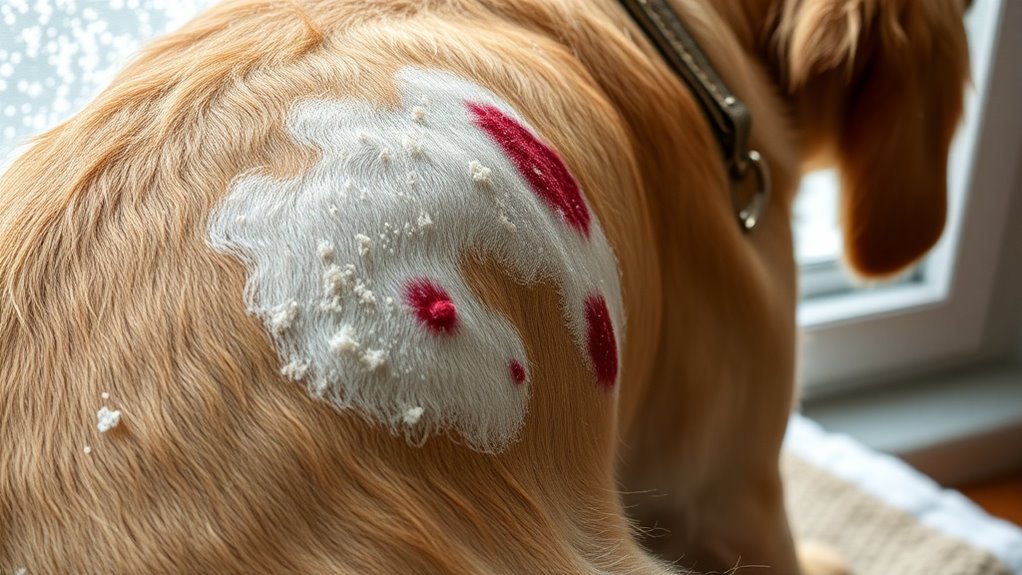
You’ve likely noticed your dog scratching more frequently as temperatures drop. This isn’t coincidental—winter fundamentally alters your dog’s dermal physiology. Cold air contains less moisture, while indoor heating systems actively deplete environmental humidity, creating a dual assault on your pet’s integumentary system. The resulting transepidermal water loss compromises the stratum corneum’s barrier function, triggering inflammatory responses you’ll recognize as flaking and pruritus. Understanding the underlying mechanisms will help you distinguish between simple environmental dryness and conditions requiring veterinary intervention.
Understanding How Winter Weather Affects Your Dog’s Skin
Winter’s harsh environmental conditions create a perfect storm of physiological stressors that compromise your dog’s cutaneous integrity. Indoor heating systems reduce humidity to approximately 10%—far below the ideal 30-50% range—while frigid outdoor temperatures constrict blood vessels, limiting nutrient delivery to dermal tissues.
This dual assault accelerates transepidermal water loss and depletes the protective lipid barrier that maintains skin homeostasis. Dog dry skin winter manifests when sebum production can’t compensate for environmental moisture depletion. De-icing salts and chemical irritants further compromise the stratum corneum, increasing vulnerability to inflammatory responses and bacterial colonization in susceptible breeds. After outdoor exposure, inspect your dog’s paws for cracked or bleeding paw pads, which signal severe moisture barrier breakdown requiring immediate intervention. Restoring natural skin barrier function through targeted treatments can help alleviate these winter-induced dermatological challenges and reduce persistent scratching behaviors.
Indoor Heating and Environmental Factors That Dry Out Canine Skin
When your dog spends extended periods in heated indoor environments, the thermal systems create atmospheric conditions that fundamentally alter dermal hydration dynamics. Indoor heating considerably reduces ambient humidity, accelerating moisture evaporation from your dog’s skin surface and compromising barrier integrity.
This dehydration strips natural oils, producing flaky, pruritic dermatological conditions and potential dandruff manifestation. Electric and radiant heating systems exacerbate desiccation more severely than humidifier-integrated alternatives. The subsequent microbiome disruption permits opportunistic pathogenic colonization while weakening resistance to environmental allergens. The compromised skin barrier becomes unable to properly defend against allergens or pathogens that would normally be repelled by healthy, hydrated skin. Natural coconut oil application can help support moisture retention by creating a protective barrier that supplements depleted skin oils during winter months.
Maintaining indoor humidity between 40-60% using humidifiers, combined with reduced bathing frequency and hydrating grooming products, effectively mitigates heating-induced cutaneous complications.
The Role of Diet and Nutrition in Winter Skin Health
While environmental modifications address external factors affecting your dog’s skin during winter, nutritional interventions target the physiological foundation of dermal integrity.
Essential fatty acids maintain the lipid barrier, with omega-3s reducing inflammation and omega-6s supporting moisture retention. Adequate protein supplies amino acids for collagen synthesis and cellular repair.
Key dietary strategies include:
- Supplementing omega-3 fatty acids from fish oil or krill (phospholipid-bound for enhanced bioavailability)
- Ensuring adequate vitamin E and zinc to support antioxidant defense and epithelial regeneration
- Increasing hydration through moisture-rich foods or broth-enhanced kibble
These interventions optimize skin barrier function against winter-induced xerosis and inflammatory responses. Biotin supplementation can further enhance skin health by promoting cellular metabolism and strengthening the coat’s structural integrity during harsh winter conditions. Adding bone broth to your dog’s meals provides collagen-supporting nutrients that may help maintain skin elasticity and hydration during dry winter months.
Bathing Mistakes That Worsen Your Dog’s Dry Winter Skin
Although maintaining canine hygiene remains essential throughout year, improper bathing practices during winter months can paradoxically intensify xerosis rather than alleviate it. You’ll worsen dryness by overbathing—limit frequency to every 4-6 weeks to preserve sebaceous secretions.
Never use human shampoos; their pH imbalance disrupts the acid mantle. Hot water strips lipid barriers; utilize lukewarm temperatures solely. Maintain water temperature between 98-100°F for optimal skin barrier protection during bathing. Inadequate rinsing leaves irritating residue, while heat-drying or cold-air exposure damages epidermal integrity.
You must apply moisturizing conditioners post-bath and guarantee thorough towel-drying in warm environments. Select formulations containing veterinarian-recommended supplements that support skin barrier function and moisture retention. Neglecting paw balms and indoor humidification further compromises cutaneous hydration, exacerbating winter-induced dermatological complications.
Medical Conditions That May Be Causing Your Dog’s Skin Problems
Beyond environmental factors and grooming errors, underlying pathological conditions frequently manifest as cutaneous abnormalities that owners mistake for simple winter dryness. Consider these differentials:
-
Endocrine disorders: Hypothyroidism and Cushing’s disease compromise skin barrier integrity, causing dry, brittle hair and recurrent infections requiring systemic management. These hormonal imbalances weaken the skin’s natural defense mechanisms, making dogs more susceptible to secondary infections.
-
Infectious etiologies: Staphylococcus pyoderma, Malassezia overgrowth, and parasitic infestations (Demodex, Cheyletiella) produce pruritus, alopecia, and secondary bacterial colonization through compromised skin.
-
Immune-mediated conditions: Atopic dermatitis and pemphigus attack skin cells, creating inflammation and predisposing dogs to chronic dermatological complications.
Veterinary consultation remains essential for accurate diagnosis and treatment protocols.
Proven Remedies and Preventive Strategies for Winter Dry Skin
Once you’ve ruled out pathological causes with your veterinarian, implementing evidence-based environmental and topical interventions becomes your primary defense against winter-induced xerosis. Maintain indoor humidity between 40-60% using strategically placed humidifiers in high-traffic areas.
Apply moisturizing formulations containing colloidal oatmeal, aloe vera, or virgin coconut oil to elbows, paws, and ventral surfaces. Supplement with omega-3 fatty acids to fortify the skin barrier systemically.
Utilize protective outerwear during prolonged cold exposure. Adjust bathing frequency and employ hydrating shampoos to prevent stripping natural oils. These multimodal strategies collectively mitigate environmental stressors while supporting cutaneous homeostasis throughout winter months.